Lord of the Flies
Lord of the Flies is a 1954 novel by William Golding.
- Published
- September 18, 1954
- Came out
- 1954
- Written by
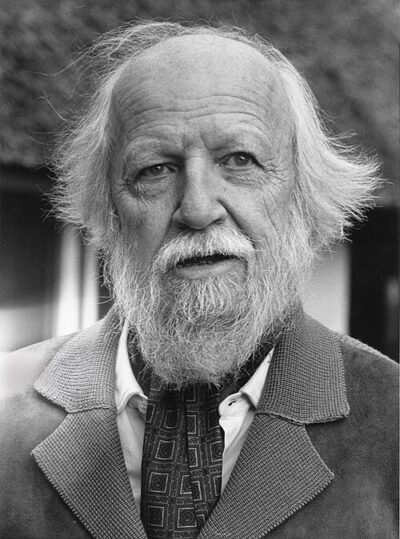
- William Golding
- Genre
- young adult fiction
- Country of origin
- United Kingdom
All 12 facts, and where they come from
Facts
12 facts · 0 confirmed by two sources · 1 cited · 11 from one source
Where this comes from
Papalocal keeps its own record. It started from these sources; what each one said is kept here as it was copied, so a change on their side never changes this page by itself. Tap one to read its version.
What Wikidata says · copied November 17, 2026 · revision 2568592660
- Described as
- 1954 novel by William Golding
- What it is
- literary work
- Written by
- William Golding · 1 reference
- Publisher
- Faber & Faber
- Genre
- young adult fiction; allegory; robinsonade; science fiction
- Published
- September 18, 1954
- Language
- English
- Country of origin
- United Kingdom
- Came out
- 1954
- Official website
- https://william-golding.co.uk/books/lord-of-the-flies · 1 reference
- Wikipedias with a page
- 62
Wikidata item Q271764 (wikidata.org/wiki/Q271764), public domain (CC0). Copied 2026-11-17.
What Wikipedia says · copied November 17, 2026 · revision 1385716673
Lord of the Flies is the 1954 debut novel of British author William Golding. The plot concerns a group of prepubescent British boys who are stranded on an uninhabited island and their disastrous attempts to govern themselves that lead to a descent into savagery. The novel's themes include morality, leadership, and the tension between civility and chaos.
Lord of the Flies was generally well received and is a popularly assigned book in schools.
From the Wikipedia article “Lord of the Flies” (en.wikipedia.org/wiki/Lord_of_the_Flies), by its contributors, under CC BY-SA 4.0 (creativecommons.org/licenses/by-sa/4.0/). Copied 2026-11-17; not changed.
Confirmed Two sources agree. Cited One source, and it names where it got it. One source One source, without a reference of its own. Sources disagree The sources disagree. We show the best-supported value and keep theirs below.