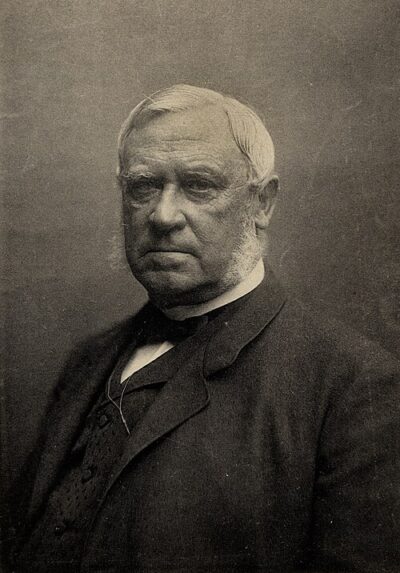
Lord of the Realm
Lord of the Realm is a Swedish honorary title. It was created in 1772.
- Country
- Sweden
- Created
- 1772
All 4 facts, and where they come from
Facts
4 facts · 0 confirmed by two sources · 0 cited · 4 from one source
Where this comes from
Papalocal keeps its own record. It started from these sources; what each one said is kept here as it was copied, so a change on their side never changes this page by itself. Tap one to read its version.
What Wikidata says · copied November 17, 2026 · revision 2530448340
- Described as
- Swedish honorary title
- What it is
- title of honor
- Created
- 1772
- Ended
- January 10, 1868
- Country
- Sweden
- Wikipedias with a page
- 4
Wikidata item Q3439602 (wikidata.org/wiki/Q3439602), public domain (CC0). Copied 2026-11-17.
What Wikipedia says · copied November 17, 2026 · revision 1283900096
The Lord of the Realm (Swedish: En av rikets herrar, lit. 'one of the lords of the realm') was a title of honour introduced by Gustavus III, King of Sweden shortly after his coup and the newly passed constitution. The title was granted by the King and was first received by Frederick William, Prince von Hessenstein on 15 January 1773 by letter. One of the most famous title holders was Hans Axel, Count von Fersen, the supposed lover and confidant of Marie Antoinette, Queen of France.
The title was not hereditary nor assigned with any function or appointment at the Royal Court or in public life. It was simply meant as a great honour bestowed upon deserving individuals after years of accomplished service to the King and Country. The title holder was styled "Excellency" and ranked equal to Privy Councillors. They also had the right to wear the Privy Councillor's robes. On 10 January 1868, the title was officially defunct.
From the Wikipedia article “Lord of the Realm” (en.wikipedia.org/wiki/Lord_of_the_Realm), by its contributors, under CC BY-SA 4.0 (creativecommons.org/licenses/by-sa/4.0/). Copied 2026-11-17; not changed.
Confirmed Two sources agree. Cited One source, and it names where it got it. One source One source, without a reference of its own. Sources disagree The sources disagree. We show the best-supported value and keep theirs below.