
Lord Steward of the Household
Lord Steward of the Household is a position.
All 1 facts, and where they come from
Facts
1 facts · 0 confirmed by two sources · 0 cited · 1 from one source
Where this comes from
Papalocal keeps its own record. It started from these sources; what each one said is kept here as it was copied, so a change on their side never changes this page by itself. Tap one to read its version.
What Wikidata says · copied November 17, 2026 · revision 2569523991
- Described as
- position
- Other names
- Lord Steward
- What it is
- position
- Wikipedias with a page
- 9
Wikidata item Q1547759 (wikidata.org/wiki/Q1547759), public domain (CC0). Copied 2026-11-17.
What Wikipedia says · copied November 17, 2026 · revision 1364922902
The Lord Steward or Lord Steward of the Household is one of the three Great Officers of the Household of the British monarch. He is, by tradition, the first great officer of the Court and he takes precedence over all other officers of the household.
Historically the Lord Steward oversaw the Household 'below stairs'. He also presided at the Board of Green Cloth, which in early centuries had a financial, administrative and judicial role (latterly the Board retained a vestigial legal remit, until it was finally abolished in a 2004 reform of local government licensing). Prior to 1924 the Lord Steward was always a member of the Government, and until 1782 the office had been one of considerable political importance and carried Cabinet rank. In the modern period, Lord Stewards (up to and including Hugh Percy, 10th Duke of Northumberland in 1973) were invariably made Privy Counsellors on appointment.
Over time the domestic responsibilities of the office came increasingly to be carried out by a subordinate officer: the Master of the Household. In the Royal Household reforms of the 1920s, the Lord Steward's Department was renamed the Master of the Household's Department. At the same time, Lord Steward ceased to be a political appointment and instead became a largely titular office in the gift of the monarch.
The Lord Steward continues to be in regular attendance on State and other ceremonial occasions (including State visits, State banquets, the State Opening of Parliament, State Funerals and Coronations). Holders of the office are always peers, usually of or above the degree of an Earl. Each Lord Steward receives his appointment from the Sovereign in person and bears a white staff as the emblem and warrant of his authority. The incumbent Lord Steward (appointed in 2023) is Peter St Clair-Erskine, 7th Earl of Rosslyn (who additionally serves as Personal Secretary to Their Majesties The King and Queen).
From the Wikipedia article “Lord Steward” (en.wikipedia.org/wiki/Lord_Steward), by its contributors, under CC BY-SA 4.0 (creativecommons.org/licenses/by-sa/4.0/). Copied 2026-11-17; not changed.
Confirmed Two sources agree. Cited One source, and it names where it got it. One source One source, without a reference of its own. Sources disagree The sources disagree. We show the best-supported value and keep theirs below.
People connected 3
Held this office
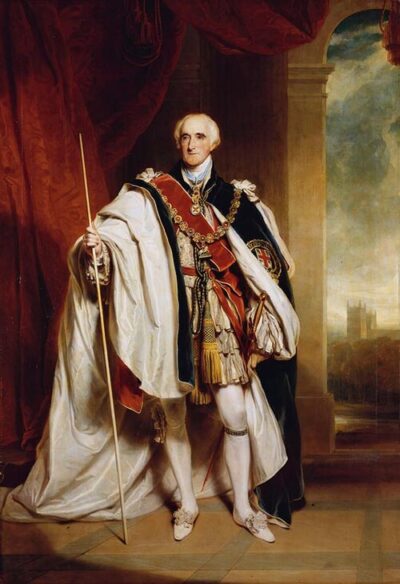 Richard Wellesley, 1st Marquess Wellesley (1830–1833)British politician (1760-1842)
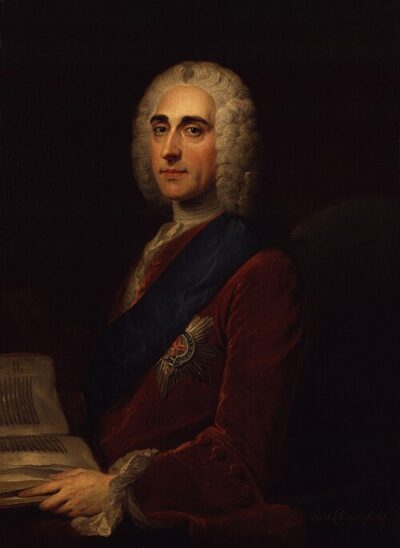 Philip Stanhope, 4th Earl of Chesterfield (1730–1733)18th-century British statesman and man of letters; (1694-1773)
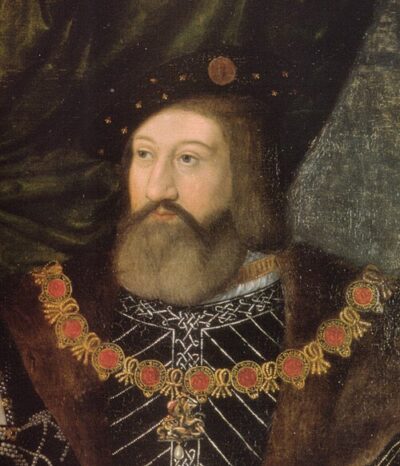 Charles Brandon, 1st Duke of Suffolk (1541–1544)English nobleman, diplomat and military commander (1484-1545)
