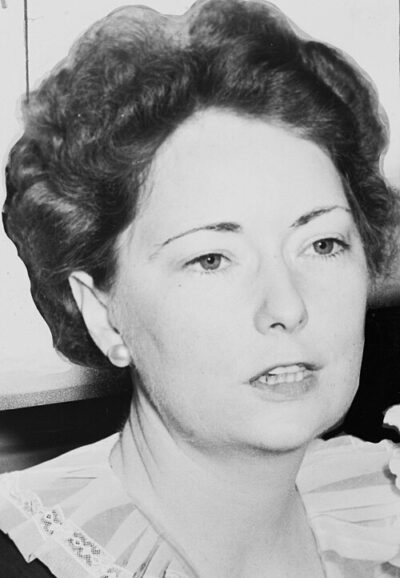
Lost Laysen
Lost Laysen is a book by Margaret Mitchell. It came out in 1996.
- Published
- 1996
- Written by
- Margaret Mitchell
- Genre
- romance
- Country of origin
- United States
All 6 facts, and where they come from
Facts
6 facts · 0 confirmed by two sources · 0 cited · 6 from one source
Where this comes from
Papalocal keeps its own record. It started from these sources; what each one said is kept here as it was copied, so a change on their side never changes this page by itself. Tap one to read its version.
What Wikidata says · copied November 16, 2026 · revision 2332843289
- Described as
- book by Margaret Mitchell
- What it is
- written work
- Written by
- Margaret Mitchell
- Genre
- romance
- Published
- 1996
- Language
- English
- Country of origin
- United States
- Wikipedias with a page
- 2
Wikidata item Q6684134 (wikidata.org/wiki/Q6684134), public domain (CC0). Copied 2026-11-16.
What Wikipedia says · copied November 16, 2026 · revision 1384253828
Lost Laysen is a novella by Margaret Mitchell. Although it was written in 1916, it was not published until 1996.
Mitchell, who is best known as the author of Gone with the Wind, was believed to have only written one full book during her lifetime. However, when she was 15, she had written the manuscript to Lost Laysen—a romance set in the South Pacific. She gave the two notebooks containing the handwritten work to a suitor named Henry Love Angel, who kept the manuscript along with a number of letters Mitchell had sent him. Angel died in 1945, but Lost Laysen remained undiscovered until his son found the manuscript while preparing to donate the letters to the Road to Tara Museum.
Lost Laysen was first published in 1996 by the Scribner imprint of Simon & Schuster (ISBN 0684824280). Edited by Debra Freer, the book includes an extensive introduction telling the story of Mitchell and Angel's relationship, complete with photographs and reproductions of some of her letters.
The protagonists of the novella are presumably based on real people – heroine Courtenay Ross, although named after Mitchell's friend, has Mitchell's personality, and Billy Duncan is probably based on Henry Angel. The love triangle also foreshadows the one in Mitchell's more famous work, Gone with the Wind, where a man is in love with a woman he has no hope of winning over.
From the Wikipedia article “Lost Laysen” (en.wikipedia.org/wiki/Lost_Laysen), by its contributors, under CC BY-SA 4.0 (creativecommons.org/licenses/by-sa/4.0/). Copied 2026-11-16; not changed.
Confirmed Two sources agree. Cited One source, and it names where it got it. One source One source, without a reference of its own. Sources disagree The sources disagree. We show the best-supported value and keep theirs below.