Lugal
Lugal is a Sumerian equivalent of king.
All 2 facts, and where they come from
Facts
2 facts · 0 confirmed by two sources · 0 cited · 2 from one source
Where this comes from
Papalocal keeps its own record. It started from these sources; what each one said is kept here as it was copied, so a change on their side never changes this page by itself. Tap one to read its version.
What Wikidata says · copied November 17, 2026 · revision 2439323944
- Described as
- Sumerian equivalent of king
- What it is
- monarch; noble title
- Wikipedias with a page
- 24
Wikidata item Q854642 (wikidata.org/wiki/Q854642), public domain (CC0). Copied 2026-11-17.
What Wikipedia says · copied November 17, 2026 · revision 1358995430
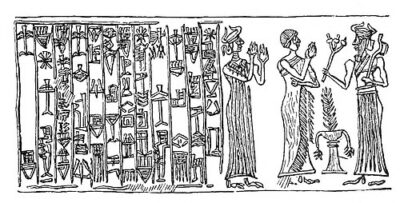
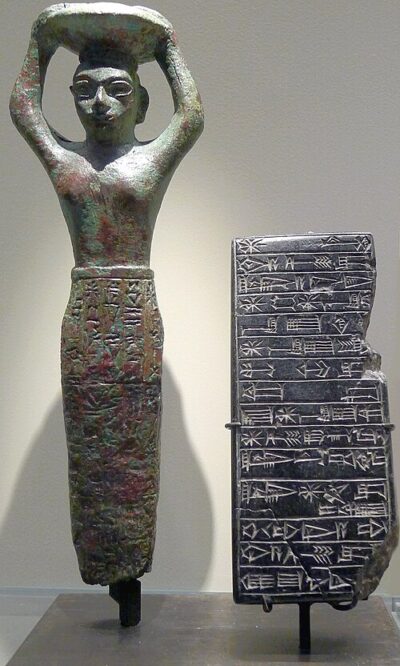
Lugal (Sumerian: 𒈗) is the Sumerian term for "king, ruler". Literally, the term means "big man". In Sumerian, lú "𒇽" is "man" and gal "𒃲" is "great", or "big".
It was one of several Sumerian titles that a ruler of a city-state could bear (alongside en and ensi, the exact difference being a subject of debate). The sign eventually became the predominant logograph for "King" in general. In the Sumerian language, lugal is used to mean an owner (e.g. of a boat or a field) or a head or chief (of a unit, such as a family).
As a cuneiform logograph (Sumerogram) LUGAL (Unicode: 𒈗, rendered in Neo Assyrian).
From the Wikipedia article “Lugal” (en.wikipedia.org/wiki/Lugal), by its contributors, under CC BY-SA 4.0 (creativecommons.org/licenses/by-sa/4.0/). Copied 2026-11-17; not changed.
Confirmed Two sources agree. Cited One source, and it names where it got it. One source One source, without a reference of its own. Sources disagree The sources disagree. We show the best-supported value and keep theirs below.