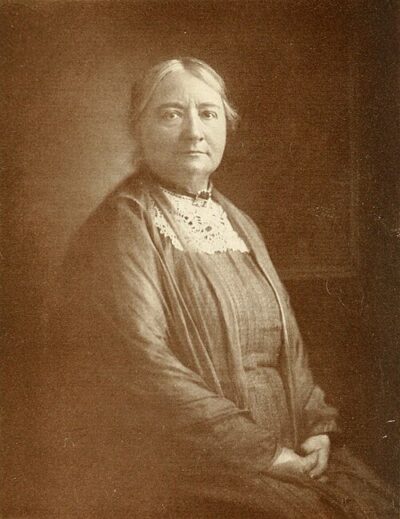
Married Woman's Property Rights Association
The Married Woman's Property Rights Association is a Swedish women's rights organisation. It was founded in 1873 by Anna Hierta-Retzius and Ellen Anckarsvärd.
- Founded
- 1873
- Founded by
- Anna Hierta-Retzius
- Country
- Sweden
All 7 facts, and where they come from
Facts
7 facts · 0 confirmed by two sources · 0 cited · 7 from one source
Where this comes from
Papalocal keeps its own record. It started from these sources; what each one said is kept here as it was copied, so a change on their side never changes this page by itself. Tap one to read its version.
What Wikidata says · copied November 17, 2026 · revision 2463903824
- Described as
- Swedish women's rights organisation
- What it is
- women's rights organization
- Founded
- 1873
- Ended
- 1896
- Founded by
- Anna Hierta-Retzius · 1 reference; Ellen Anckarsvärd · 1 reference
- Country
- Sweden
- Field
- women's property rights
- Wikipedias with a page
- 5
Wikidata item Q10501268 (wikidata.org/wiki/Q10501268), public domain (CC0). Copied 2026-11-17.
What Wikipedia says · copied November 17, 2026 · revision 1367893652
The Married Woman Property Association (Swedish: Föreningen för gift kvinnas äganderätt) was a Swedish women's rights organisation active in Sweden between 1873 and 1896. Its purpose was to work for the introduction of reformed laws in favor of women's equality with men. The association was founded with the goal to reform the marriage laws regarding the guardianship of men over their wife, and to make it possible for married women to handle their own economy. However, despite the name, they also worked for legal reform in other issues within women's rights. It is regarded as the first women's rights organisation in Sweden.
From the Wikipedia article “Married Woman's Property Rights Association” (en.wikipedia.org/wiki/Married_Woman's_Property_Rights_Association), by its contributors, under CC BY-SA 4.0 (creativecommons.org/licenses/by-sa/4.0/). Copied 2026-11-17; not changed.
Confirmed Two sources agree. Cited One source, and it names where it got it. One source One source, without a reference of its own. Sources disagree The sources disagree. We show the best-supported value and keep theirs below.