Maude
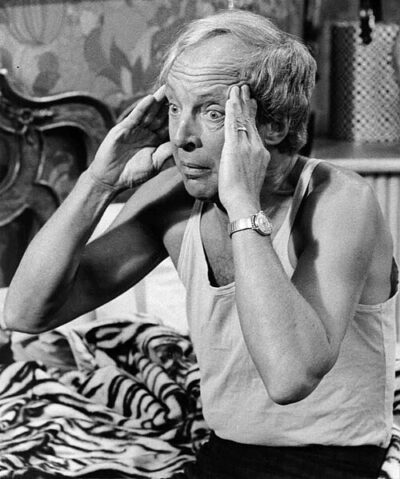
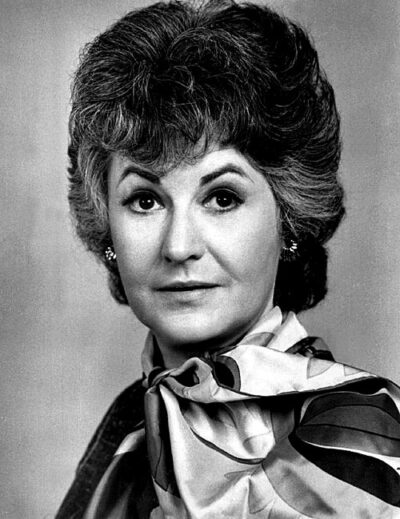
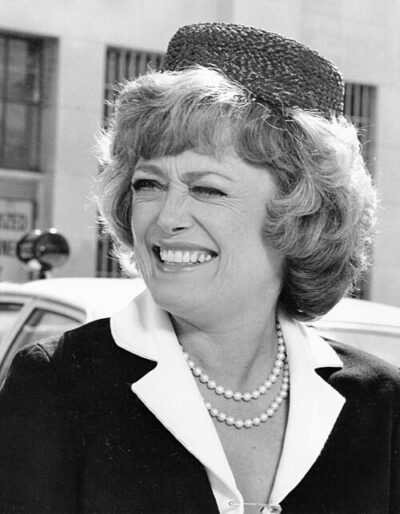
Maude is a television series (1972-1978). It was created by Norman Lear. It stars Bea Arthur, Bill Macy and Adrienne Barbeau. It is based on All in the Family.
- Created by
- Norman Lear
- Genre
- sitcom
- Country of origin
- United States
All 17 facts, and where they come from
Facts
17 facts · 0 confirmed by two sources · 1 cited · 16 from one source
Where this comes from
Papalocal keeps its own record. It started from these sources; what each one said is kept here as it was copied, so a change on their side never changes this page by itself. Tap one to read its version.
What Wikidata says · copied November 16, 2026 · revision 2569606364
- Described as
- television series (1972-1978)
- What it is
- television series
- Created by
- Norman Lear
- Music by
- Donny Hathaway · 1 reference
- Starring
- Bea Arthur; Bill Macy; Adrienne Barbeau; Conrad Bain; Esther Rolle; Rue McClanahan; J. Pat O'Malley; Hermione Baddeley; Marlene Warfield
- Genre
- sitcom
- Original language
- English · 1 reference
- Country of origin
- United States
- Based on
- All in the Family
- Comes after
- All in the Family
- Wikipedias with a page
- 11
Wikidata item Q1247562 (wikidata.org/wiki/Q1247562), public domain (CC0). Copied 2026-11-16.
What Wikipedia says · copied November 16, 2026 · revision 1381332885
Maude is an American sitcom created by Norman Lear that aired on CBS from September 12, 1972, to April 22, 1978. A spin-off of All in the Family, the series stars Bea Arthur as Maude Findlay, a politically liberal, middle-aged woman living in suburban Tuckahoe, New York, with Bill Macy as her fourth husband, Walter. The cast also includes Adrienne Barbeau, Conrad Bain, Rue McClanahan, Esther Rolle, Hermione Baddeley, J. Pat O'Malley and Marlene Warfield.
Like Lear's other sitcoms of the period, Maude combined domestic comedy with topical social issues. Scholars have described it as one of the most overtly political American sitcoms of the 1970s, particularly for its treatment of feminism and its engagement with subjects including abortion, alcoholism, domestic violence, mental health, race and sexuality. The series also occasionally departed from the conventional ensemble sitcom format, most notably in episodes centered almost entirely on Maude and Walter and in "The Analyst", in which Arthur was the only performer on screen.
The series was both successful and controversial during its original run. It ranked among television's top-rated programs in its early seasons, and Arthur won the Primetime Emmy Award for Outstanding Lead Actress in a Comedy Series in 1977 for her performance. Later commentators have described Maude as a landmark in feminist television, and its best-known storylines—especially the 1972 abortion episodes "Maude's Dilemma"—have continued to attract critical attention.
Maude also generated a wider franchise. The character Florida Evans was spun off into Good Times, while the series was adapted internationally as the British sitcom Nobody's Perfect and the French sitcom Maguy.
From the Wikipedia article “Maude (TV series)” (en.wikipedia.org/wiki/Maude_(TV_series)), by its contributors, under CC BY-SA 4.0 (creativecommons.org/licenses/by-sa/4.0/). Copied 2026-11-16; not changed.
Confirmed Two sources agree. Cited One source, and it names where it got it. One source One source, without a reference of its own. Sources disagree The sources disagree. We show the best-supported value and keep theirs below.
Picture: Wikimedia Commons: Maude and walter 1973.JPG · See Commons file page