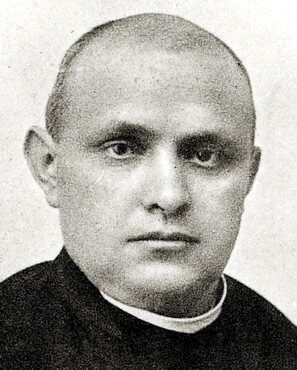
Maurist Party
The Maurist Party is a Spanish political party (1913-). It was founded by Antonio Maura. It stands for conservatism and monarchism.
- Country
- Spain
- Founded
- 1913
- Ideology
- conservatism
All 6 facts, and where they come from
Facts
6 facts · 0 confirmed by two sources · 0 cited · 6 from one source
Where this comes from
Papalocal keeps its own record. It started from these sources; what each one said is kept here as it was copied, so a change on their side never changes this page by itself. Tap one to read its version.
What Wikidata says · copied November 17, 2026 · revision 2552584332
- Described as
- Spanish political party (1913-)
- Other names
- Maurist Conservative Party
- What it is
- political party
- Founded
- 1913 · 1 reference
- Founded by
- Antonio Maura
- Country
- Spain
- Ideology
- conservatism; monarchism
- Wikipedias with a page
- 2
Wikidata item Q28155680 (wikidata.org/wiki/Q28155680), public domain (CC0). Copied 2026-11-17.
What Wikipedia says · copied November 17, 2026 · revision 1338522680
The Maurist Party (Spanish: Partido Maurista, PM), also known as the Maurists (Spanish: Mauristas), was a political faction within the Liberal Conservative Party, led by Antonio Maura, which split from the party after Eduardo Dato's appointment as prime minister of Spain on 27 October 1913.
The party lost relevance after Miguel Primo de Rivera's coup d'état in 1923 and Maura's death in 1925, with Antonio Goicoechea being elected as new party leader. In early 1931, the Constitutional Centre party was founded by three leading maurists (Goicoechea, César Silió, and Maura's son Gabriel) after negotiations in late 1930 in order to establish a federation of right-wing forces between Catalan regionalists and maurists.
From the Wikipedia article “Maurist Party” (en.wikipedia.org/wiki/Maurist_Party), by its contributors, under CC BY-SA 4.0 (creativecommons.org/licenses/by-sa/4.0/). Copied 2026-11-17; not changed.
Confirmed Two sources agree. Cited One source, and it names where it got it. One source One source, without a reference of its own. Sources disagree The sources disagree. We show the best-supported value and keep theirs below.