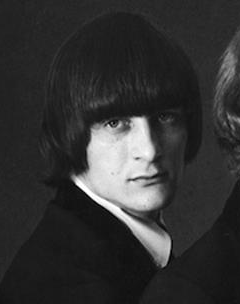
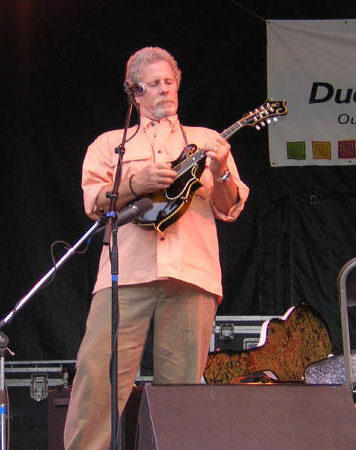
McGuinn, Clark & Hillman
McGuinn, Clark & Hillman is an American rock supergroup. It was founded in 1977.
- Founded
- 1977
- Country of origin
- United States
All 3 facts, and where they come from
Facts
3 facts · 0 confirmed by two sources · 0 cited · 3 from one source
Where this comes from
Papalocal keeps its own record. It started from these sources; what each one said is kept here as it was copied, so a change on their side never changes this page by itself. Tap one to read its version.
What Wikidata says · copied November 17, 2026 · revision 2247250104
- Described as
- American rock supergroup
- Other names
- Roger McGuinn & Chris Hillman featuring Gene Clark
- What it is
- musical group
- Country of origin
- United States
- Founded
- 1977
- Wikipedias with a page
- 4
Wikidata item Q99197524 (wikidata.org/wiki/Q99197524), public domain (CC0). Copied 2026-11-17.
What Wikipedia says · copied November 17, 2026 · revision 1367241138
McGuinn, Clark & Hillman were an American rock group consisting of Roger McGuinn, Gene Clark, and Chris Hillman, who were all former members of the band the Byrds. The group formed in 1977 and was partly modeled after Crosby, Stills, Nash & Young and, to a lesser extent, the Eagles. They were reasonably successful commercially in the United States, with their debut album reaching number 39 on the Billboard Top LPs & Tape chart and the single "Don't You Write Her Off" reaching number 33 on the Billboard Hot 100.
Clark left the band in late 1979, due to his increasing drug abuse and deteriorating mental state, and therefore only participated in the recording of two albums with the group. A third album was released in late 1980 and credited to McGuinn & Hillman alone, after which the duo split up in early 1981.
From the Wikipedia article “McGuinn, Clark & Hillman” (en.wikipedia.org/wiki/McGuinn,_Clark_&_Hillman), by its contributors, under CC BY-SA 4.0 (creativecommons.org/licenses/by-sa/4.0/). Copied 2026-11-17; not changed.
Confirmed Two sources agree. Cited One source, and it names where it got it. One source One source, without a reference of its own. Sources disagree The sources disagree. We show the best-supported value and keep theirs below.