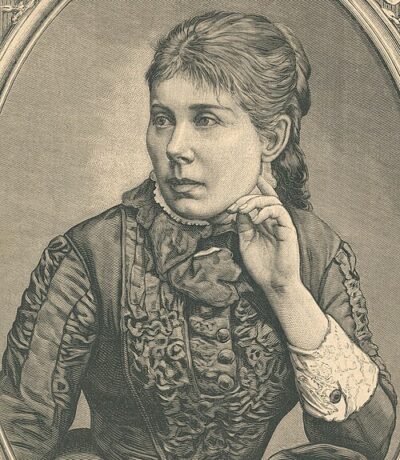
Mendel Gdański
Mendel Gdański is a short story. It came out in 1893. It was written by Maria Konopnicka.
- Published
- 1893
- Written by
- Maria Konopnicka
All 4 facts, and where they come from
Facts
4 facts · 0 confirmed by two sources · 0 cited · 4 from one source
Where this comes from
Papalocal keeps its own record. It started from these sources; what each one said is kept here as it was copied, so a change on their side never changes this page by itself. Tap one to read its version.
What Wikidata says · copied November 17, 2026 · revision 2569122796
- Described as
- short story
- What it is
- literary work
- Written by
- Maria Konopnicka
- Published
- 1893
- Language
- Polish
- Wikipedias with a page
- 5
Wikidata item Q11777355 (wikidata.org/wiki/Q11777355), public domain (CC0). Copied 2026-11-17.
What Wikipedia says · copied November 17, 2026 · revision 1293828968
Mendel Gdański is a short story by Polish poet and short-story writer Maria Konopnicka published for the first time in 1890 in the Przegląd Literacki magazine. After three years it was published again in her poetry collection Na drodze ("On the Road").
The main reason for Maria Konopnicka's writing Mendel Gdański was the prevailing outbreak of anti-Semitism in Poland at that time. The opus tackles the matter remarkably current in the late 19th century of the assimilation of ethnic minorities. One of the people that inspired the author to write Mendel Gdański was a Polish writer Eliza Orzeszkowa who sent a letter to Konopnicka, in which she asked "in prose or in verse, write one or ten pages, your word carries much weight, many will find hope, it will inspire good emotions, and quench the bad…" (" czy prozą, czy wierszem, napisz jedną lub dziesięć kartek, słowo Twoje wiele zaważy, u wielu wiarę znajdzie, wiele uczuć wzbudzi, złych uśpi…").
From the Wikipedia article “Mendel Gdański” (en.wikipedia.org/wiki/Mendel_Gdański), by its contributors, under CC BY-SA 4.0 (creativecommons.org/licenses/by-sa/4.0/). Copied 2026-11-17; not changed.
Confirmed Two sources agree. Cited One source, and it names where it got it. One source One source, without a reference of its own. Sources disagree The sources disagree. We show the best-supported value and keep theirs below.