Mercury 13
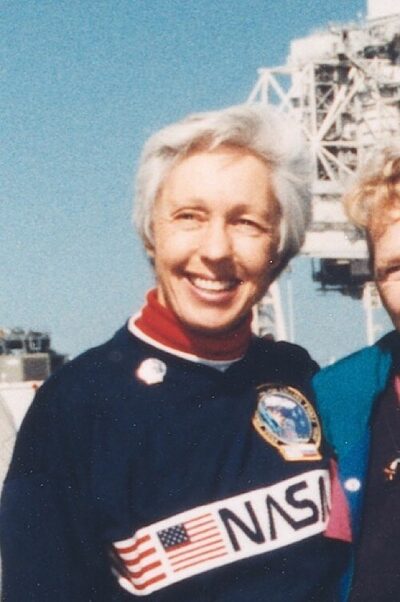
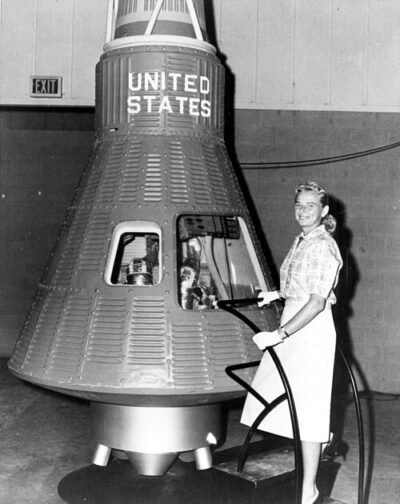
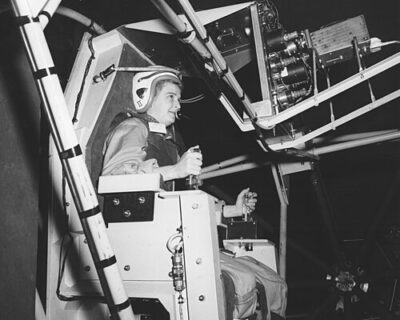
Mercury 13 is a thirteen American women who underwent testing similar to the astronauts selected by NASA for Project Mercury.
All 2 facts, and where they come from
Facts
2 facts · 0 confirmed by two sources · 0 cited · 2 from one source
Where this comes from
Papalocal keeps its own record. It started from these sources; what each one said is kept here as it was copied, so a change on their side never changes this page by itself. Tap one to read its version.
What Wikidata says · copied November 17, 2026 · revision 2520337340
- Described as
- thirteen American women who underwent testing similar to the astronauts selected by NASA for Project Mercury
- Other names
- First Lady Astronaut Trainees, FLATS
- What it is
- research group; tridecad
- Wikipedias with a page
- 19
Wikidata item Q1517045 (wikidata.org/wiki/Q1517045), public domain (CC0). Copied 2026-11-17.
What Wikipedia says · copied November 17, 2026 · revision 1377816735
The Mercury 13 were thirteen American women who in 1959–60 took part in a privately funded research program run by physician William Randolph Lovelace II, a private contractor to NASA, which aimed to test and screen the women for spaceflight. The first participant, pilot Geraldyn "Jerrie" Cobb helped Lovelace identify and recruit the others. The participants successfully underwent the same physiological screening tests as the astronauts selected by NASA for Project Mercury. While Lovelace called the project the Woman in Space Program, the thirteen women later became known as the "Mercury 13" – a term coined in 1995 as a comparison to the Mercury Seven astronauts.
In the 1960s some of the women were among those who lobbied the White House and Congress to include women in the astronaut program. In 1963, Clare Boothe Luce wrote an article for Life magazine publicizing the women and criticizing NASA for its failure to include women in the astronaut program.
The Mercury 13 were not allowed into the astronaut program, never trained as a group, and did not fly into space until July 20, 2021, when one of the thirteen, Wally Funk, flew aboard the sub-orbital Blue Origin New Shepard 4 Flight 16, at age 82.
The story of these women has been retold in books, exhibits, and movies, including the 2018 Netflix-produced documentary Mercury 13.
From the Wikipedia article “Mercury 13” (en.wikipedia.org/wiki/Mercury_13), by its contributors, under CC BY-SA 4.0 (creativecommons.org/licenses/by-sa/4.0/). Copied 2026-11-17; not changed.
Confirmed Two sources agree. Cited One source, and it names where it got it. One source One source, without a reference of its own. Sources disagree The sources disagree. We show the best-supported value and keep theirs below.
Picture: NASA/GRC/Arden Wilfong, via Wikimedia Commons · Public domain