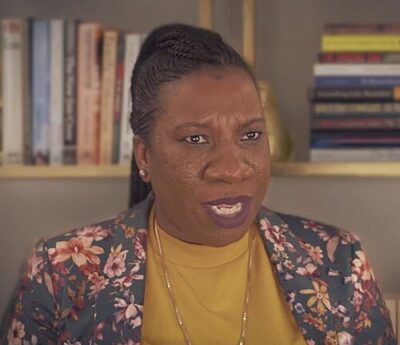
MeToo movement
MeToo movement is a movement denouncing sexual assault and harassment. It came out in 2017. It won the Time Person of the Year.
- Came out
- October 2017
All 5 facts, and where they come from
Facts
5 facts · 0 confirmed by two sources · 1 cited · 4 from one source
Where this comes from
Papalocal keeps its own record. It started from these sources; what each one said is kept here as it was copied, so a change on their side never changes this page by itself. Tap one to read its version.
What Wikidata says · copied November 16, 2026 · revision 2535650405
- Described as
- movement denouncing sexual assault and harassment
- Other names
- #MeToo hashtag, #MeToo hashtag movement, #MeToo movement, #MeToo, MeToo, Me Too
- What it is
- hashtag; social media campaign; social movement
- Came out
- October 2017
- Awards
- Time Person of the Year (2017) · 1 reference
- Wikipedias with a page
- 72
Wikidata item Q42133786 (wikidata.org/wiki/Q42133786), public domain (CC0). Copied 2026-11-16.
What Wikipedia says · copied November 16, 2026 · revision 1384881500
#MeToo is a social movement and awareness campaign against sexual abuse, sexual harassment, and rape culture, in which survivors (led by the voices of women, especially public figures) share their experiences of sexual abuse or sexual harassment. The phrase "Me Too" was initially used in this context on social media around 2006, on Myspace, by sexual assault survivor and activist Tarana Burke. The hashtag #MeToo was used starting in 2017 as a way to draw attention to the magnitude of the problem. "Me Too" is meant to empower those who have been sexually assaulted through empathy, solidarity and strength in numbers, by visibly demonstrating how many have experienced sexual assault and harassment, especially in the workplace.
Following multiple exposures of sexual-abuse allegations against film producer Harvey Weinstein in October 2017, the movement began to spread virally as a hashtag on social media. On October 15, 2017, American actress Alyssa Milano posted on Twitter encouraging women to use the phrase "Me Too" in their social media posts to demonstrate the widespread prevalence of sexual harassment and assault, stating that the idea came from a friend. A number of high-profile posts and responses from American celebrities Gwyneth Paltrow, Ashley Judd, Jennifer Lawrence, and Uma Thurman, among others, soon followed. Widespread media coverage and discussion of sexual harassment, particularly in Hollywood, led to high-profile terminations from positions held, as well as criticism and backlash.
After millions of people started using the phrase and hashtag in this manner in English, the expression began to spread to dozens of other languages. The scope has become somewhat broader with this expansion, however, and Burke has more recently referred to it as an international movement for justice for marginalized people. After the hashtag #MeToo went viral in late 2017, Facebook reported that almost half of its American users were friends with someone who said they had been sexually assaulted or harassed.
The #MeToo movement has sparked debate over how to support survivors while ensuring due process for the accused. Although some worry about false accusations and premature consequences, studies by the United States Department of Justice and UK Home Office estimate that false reports make up only 2–10% of sexual assault claims. Commentators like Jude Doyle and Jennifer Wright argue that #BelieveWomen is not a call to abandon due process but a response to the rarity of false allegations. Critics also highlight gaps in the movement’s reach, including its failure to address police abuse, include sex workers, or center marginalized women, who face the highest rates of violence.
From the Wikipedia article “MeToo movement” (en.wikipedia.org/wiki/MeToo_movement), by its contributors, under CC BY-SA 4.0 (creativecommons.org/licenses/by-sa/4.0/). Copied 2026-11-16; not changed.
Confirmed Two sources agree. Cited One source, and it names where it got it. One source One source, without a reference of its own. Sources disagree The sources disagree. We show the best-supported value and keep theirs below.
Picture: Wikimedia Commons: Can You Hear Me Now? -MeToo (39787332552).jpg · See Commons file page