modern dance
Modern dance is a genre of western concert or theatrical dance.
- Came out
- 1900s
- Country of origin
- United States
All 5 facts, and where they come from
Facts
5 facts · 0 confirmed by two sources · 1 cited · 4 from one source
Where this comes from
Papalocal keeps its own record. It started from these sources; what each one said is kept here as it was copied, so a change on their side never changes this page by itself. Tap one to read its version.
What Wikidata says · copied November 17, 2026 · revision 2567146179
- Described as
- genre of western concert or theatrical dance
- What it is
- type of dance
- Country of origin
- United States; Germany · 1 reference
- Came out
- 1900s
- Country
- Germany
- Wikipedias with a page
- 43
Wikidata item Q850130 (wikidata.org/wiki/Q850130), public domain (CC0). Copied 2026-11-17.
What Wikipedia says · copied November 17, 2026 · revision 1384390268
Modern dance is a broad genre of western concert or theatrical dance which includes dance styles such as ballet, folk, ethnic, religious, and social dancing; and primarily arose out of Europe and the United States in the late 19th and early 20th centuries. It was considered to have been developed as a rejection of, or rebellion against, classical ballet, and also a way to express social concerns like socioeconomic and cultural factors.
In the late 19th century, modern dance artists such as Isadora Duncan, Maud Allan, and Loie Fuller were pioneering new forms and practices in what is now called improvisational or free dance. These dancers disregarded ballet's strict movement vocabulary (the particular, limited set of movements that were considered proper to ballet) and stopped wearing corsets and pointe shoes in the search for greater freedom of movement.
Throughout the 20th century sociopolitical concerns, major historical events, and the development of other art forms contributed to the continued development of modern dance in the United States and Europe. Moving into the 1960s, new ideas about dance began to emerge as a response to earlier dance forms and to social changes. Eventually, postmodern dance artists would reject the formalism of modern dance, and include elements such as performance art, contact improvisation, release technique, and improvisation.
American modern dance can be divided (roughly) into three periods or eras. In the Early Modern period (c. 1880–1923), characterized by the work of Isadora Duncan, Loie Fuller, Ruth St. Denis, Ted Shawn, and Eleanor King, artistic practice changed radically, but clearly distinct modern dance techniques had not yet emerged. In the Central Modern period (c. 1923–1946), choreographers Martha Graham, Doris Humphrey, Katherine Dunham, Charles Weidman, and Lester Horton sought to develop distinctively American movement styles and vocabularies, and developed clearly defined and recognizable dance training systems. In the Late Modern period (c. 1946–1957), José Limón, Pearl Primus, Merce Cunningham, Talley Beatty, Erick Hawkins, Anna Sokolow, Anna Halprin, and Paul Taylor introduced clear abstractionism and avant-garde movements, and paved the way for postmodern dance.
Modern dance has evolved with each subsequent generation of participating artists. Artistic content has morphed and shifted from one choreographer to another, as have styles and techniques. Artists such as Graham and Horton developed techniques in the Central Modern period that are still taught worldwide and numerous other types of modern dance exist today.
From the Wikipedia article “Modern dance” (en.wikipedia.org/wiki/Modern_dance), by its contributors, under CC BY-SA 4.0 (creativecommons.org/licenses/by-sa/4.0/). Copied 2026-11-17; not changed.
Confirmed Two sources agree. Cited One source, and it names where it got it. One source One source, without a reference of its own. Sources disagree The sources disagree. We show the best-supported value and keep theirs below.
Picture: Wikimedia Commons: Martha Graham 1948.jpg · See Commons file page
People connected 5
Genre
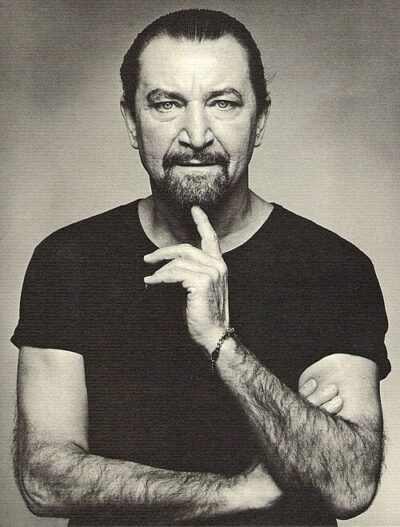 Maurice BéjartFrench-born Swiss ballet dancer and choreographer (1927–2007)
 Zizi JeanmaireFrench ballet dancer and singer
Field
 Mary WigmanGerman dancer, choreographer, and dance instructor (1886–1973)
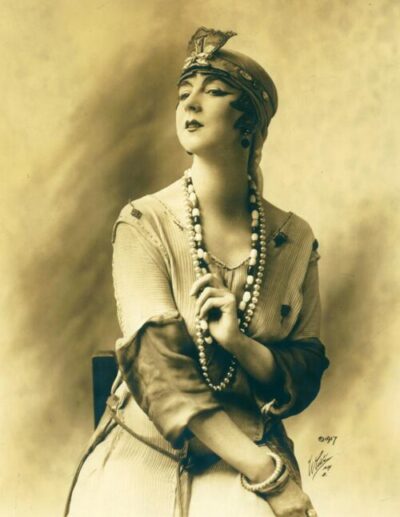 Ruth St. DenisAmerican dancer (1879-1968)