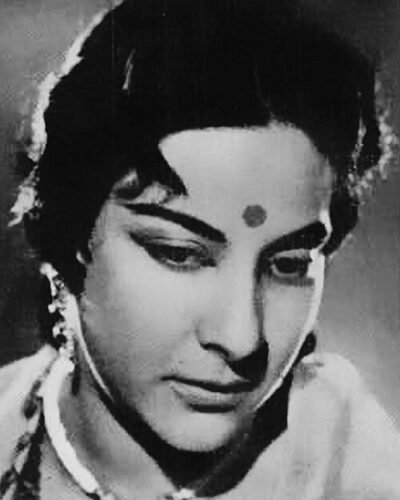
Mother India
Mother India is a 1957 film directed by Mehboob Khan. It is performed by Naushad. It stars Nargis, Sunil Dutt and Rajendra Kumar. It is based on Aurat. It won the Filmfare Award for Best Film.
- Released
- February 14, 1957
- Directed by
- Mehboob Khan
- Performed by
- Naushad
- Genre
- drama film
- Country of origin
- India
All 22 facts, and where they come from
Facts
22 facts · 0 confirmed by two sources · 1 cited · 21 from one source
Where this comes from
Papalocal keeps its own record. It started from these sources; what each one said is kept here as it was copied, so a change on their side never changes this page by itself. Tap one to read its version.
What Wikidata says · copied November 17, 2026 · revision 2564191267
- Described as
- 1957 film directed by Mehboob Khan
- What it is
- film
- Directed by
- Mehboob Khan
- Performed by
- Naushad · 1 reference
- Music by
- Naushad
- Screenplay by
- S. Ali Raza
- Produced by
- Mehboob Khan
- Starring
- Nargis; Sunil Dutt; Rajendra Kumar; Raaj Kumar; Kanhaiyalal; Jilloo Maa; Kumkum; Mukri; Sajid Khan
- Genre
- drama film
- Released
- February 14, 1957 · 1 reference
- Original language
- Hindi
- Country of origin
- India
- Based on
- Aurat
- Awards
- Filmfare Award for Best Film (1958)
- Named after
- Mother India
- Wikipedias with a page
- 38
Wikidata item Q1411238 (wikidata.org/wiki/Q1411238), public domain (CC0). Copied 2026-11-17.
What Wikipedia says · copied November 17, 2026 · revision 1383698407
Mother India is a 1957 Indian epic drama film, directed by Mehboob Khan and starring Nargis, Sunil Dutt, Rajendra Kumar and Raaj Kumar. A remake of Khan's earlier film Aurat (1940), it is the story of a poverty-stricken village woman named Radha (Nargis), who in the absence of her husband, struggles to raise her sons and survive against a cunning money-lender amidst many troubles.
The title of the film was chosen to counter American author Katherine Mayo's 1927 polemical book Mother India, which vilified Indian culture. Mother India metaphorically represents India as a nation in the aftermath of its independence in 1947, and alludes to a strong sense of Indian nationalism and nation-building. Allusions to Hindu mythology are abundant in the film, and its lead character has been seen as a metonymic representation of an Indian woman who reflects high moral values and the concept of what it means to be a mother to society through self-sacrifice. While some authors treat Radha as the symbol of women's empowerment, others see her cast in female stereotypes. The film was shot in Mumbai's Mehboob Studios and in the villages of Maharashtra, Gujarat, and Uttar Pradesh. The music by Naushad introduced global music, including Western classical music and orchestra, to Hindi cinema.
The film was one of the most expensive Indian productions and earned the highest revenue for any Indian film at that time. Adjusted for inflation, Mother India still ranks among the all-time Indian box office hits. It was released in India amid fanfare in October 1957 and had several high-profile screenings, including one at the capital, New Delhi, attended by the country's president and prime minister. Mother India became a definitive cultural classic and is regarded as one of the best films in Indian cinema and is one of three Hindi-language films to be included on the list of 1001 Movies You Must See Before You Die. The film won the All India Certificate of Merit for Best Feature Film, the Filmfare Best Film Award for 1957, and Nargis and Khan won the Best Actress and Best Director awards respectively. It was also nominated for the Academy Award for Best International Feature Film, becoming the first Indian film to ever be nominated.
From the Wikipedia article “Mother India” (en.wikipedia.org/wiki/Mother_India), by its contributors, under CC BY-SA 4.0 (creativecommons.org/licenses/by-sa/4.0/). Copied 2026-11-17; not changed.
Confirmed Two sources agree. Cited One source, and it names where it got it. One source One source, without a reference of its own. Sources disagree The sources disagree. We show the best-supported value and keep theirs below.