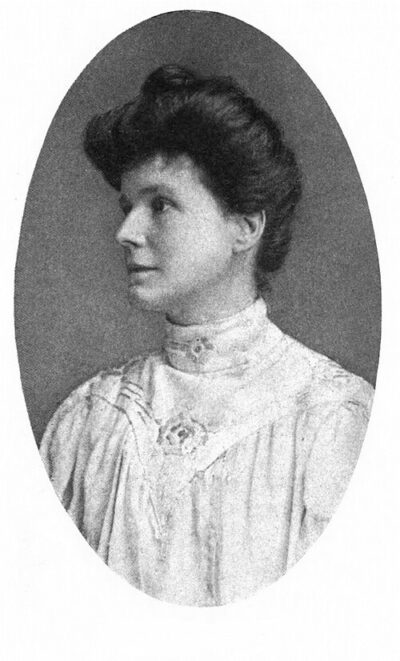
Munro Ambulance Corps
The Munro Ambulance Corps is a medical corps.
- Country
- Belgium
All 3 facts, and where they come from
Facts
3 facts · 0 confirmed by two sources · 0 cited · 3 from one source
Where this comes from
Papalocal keeps its own record. It started from these sources; what each one said is kept here as it was copied, so a change on their side never changes this page by itself. Tap one to read its version.
What Wikidata says · copied November 18, 2026 · revision 2561388501
- What it is
- medical corps
- Country of origin
- United Kingdom
- Country
- Belgium
- Wikipedias with a page
- 4
Wikidata item Q6936824 (wikidata.org/wiki/Q6936824), public domain (CC0). Copied 2026-11-18.
What Wikipedia says · copied November 18, 2026 · revision 1382053694
The mission of the Munro Ambulance Corps was to move wounded troops from the Western Front to hospitals in Flanders during World War I. It was founded in August 1914 by Hector Munro, who was one of the directors of the Medico-Psychological Clinic in London. The force’s effective operation was hampered by the chaotic nature of the fighting, a lack of funds and logistics, poor coordination and internal disputes.
Some of the notable members of the corps were the British writer May Sinclair, the British heiress Lady Dorothie Feilding, and the nurses Elsie Knocker and Mairi Chisholm (The Madonnas of Pervijze). The ladies were not particularly welcome in the predominantly male teams; they had disputes amongst themselves and with their superiors, and were not always able – or allowed – to carry out their duties as they would have wished. Sinclair was sent back to England against her will following the fall of Antwerp, whilst Knocker and Chisholm set up a nursing post in Pervijze because they felt they could be of greater use there. Sinclair wrote about these conflicts and the difficult and unresolved circumstances of the war in her many post-war works.
From the Wikipedia article “Munro Ambulance Corps” (en.wikipedia.org/wiki/Munro_Ambulance_Corps), by its contributors, under CC BY-SA 4.0 (creativecommons.org/licenses/by-sa/4.0/). Copied 2026-11-18; not changed.
Confirmed Two sources agree. Cited One source, and it names where it got it. One source One source, without a reference of its own. Sources disagree The sources disagree. We show the best-supported value and keep theirs below.