Museum of history of religion
The Museum of history of religion is a Russian museum focusing on the history of the emergence and development of religion. It was founded in 1932.
- Founded
- 1932
- Country
- Russia
All 6 facts, and where they come from
Facts
6 facts · 0 confirmed by two sources · 0 cited · 6 from one source
Where this comes from
Papalocal keeps its own record. It started from these sources; what each one said is kept here as it was copied, so a change on their side never changes this page by itself. Tap one to read its version.
What Wikidata says · copied November 18, 2026 · revision 2550000204
- Described as
- Russian museum focusing on the history of the emergence and development of religion
- Other names
- state Museum of the history of religion, Saint Petersburg
- What it is
- museum
- Founded
- 1932
- Located in
- Saint Petersburg
- Country
- Russia; Soviet Union
- Official website
- http://www.gmir.ru
- Wikipedias with a page
- 10
Wikidata item Q4146889 (wikidata.org/wiki/Q4146889), public domain (CC0). Copied 2026-11-18.
What Wikipedia says · copied November 18, 2026 · revision 1363331702
The Museum of the History of Religion is a museum in Saint Petersburg, Russia.
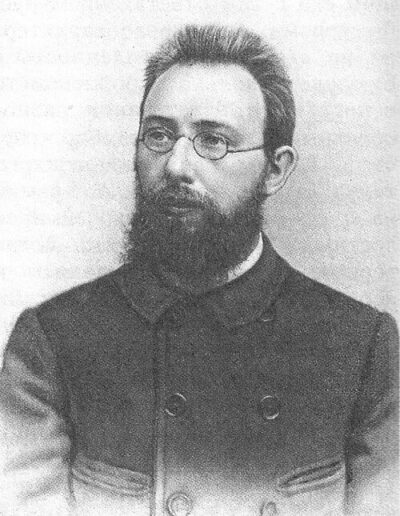
The museum was created in 1932 by a decision of the Presidium of the Soviet Academy of Sciences as the Museum of the History of Religion and Atheism and was housed in the former Kazan Cathedral until 2000. Its first exposition was based on an anti-religious exhibition opened in 1930 in the Winter Palace. Russian ethnographer and anthropologist Vladimir Bogoraz "Tan" was the initiator of its creation and its first director. In 1991, the house of Count Sergey Yaguzhinsky, which later belonged to the Russian imperial Post Office, was transferred to the museum of the History of Religion.
From the Wikipedia article “Museum of the History of Religion” (en.wikipedia.org/wiki/Museum_of_the_History_of_Religion), by its contributors, under CC BY-SA 4.0 (creativecommons.org/licenses/by-sa/4.0/). Copied 2026-11-18; not changed.
Confirmed Two sources agree. Cited One source, and it names where it got it. One source One source, without a reference of its own. Sources disagree The sources disagree. We show the best-supported value and keep theirs below.
Picture: Wikimedia Commons: Muziy SPb 2010 3232.jpg · See Commons file page