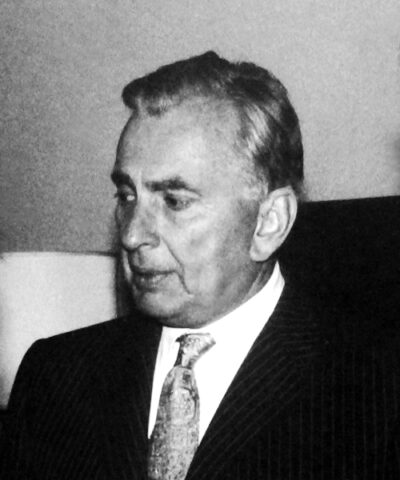
Myra Breckinridge
Myra Breckinridge is a 1968 novel by Gore Vidal.
- Published
- February 1968
- Written by
- Gore Vidal
- Genre
- epistolary novel
- Country of origin
- United States
All 10 facts, and where they come from
Facts
10 facts · 0 confirmed by two sources · 1 cited · 9 from one source
Where this comes from
Papalocal keeps its own record. It started from these sources; what each one said is kept here as it was copied, so a change on their side never changes this page by itself. Tap one to read its version.
What Wikidata says · copied November 16, 2026 · revision 2511753671
- Described as
- 1968 novel by Gore Vidal
- What it is
- written work
- Written by
- Gore Vidal · 1 reference
- Publisher
- Little, Brown and Company
- Genre
- epistolary novel; LGBT-related literature
- Published
- February 1968
- Language
- English
- Country of origin
- United States
- Comes after
- Washington, D.C.
- Followed by
- Myron
- Wikipedias with a page
- 7
Wikidata item Q2739687 (wikidata.org/wiki/Q2739687), public domain (CC0). Copied 2026-11-16.
What Wikipedia says · copied November 16, 2026 · revision 1384225374
Myra Breckinridge is a 1968 satirical novel by Gore Vidal written in the form of a diary. Described by the critic Dennis Altman as "part of a major cultural assault on the assumed norms of gender and sexuality which swept the western world in the late 1960s and early 1970s", the book's major themes are feminism, transsexuality, American expressions of machismo and patriarchy, and deviant sexual practices, as filtered through an aggressively camp sensibility. The controversial book is also "the first instance of a novel in which the main character undergoes a clinical sex-change". Set in Hollywood in the 1960s, the novel also contains candid and irreverent glimpses into the machinations within the film industry.
Myra Breckinridge was dismissed by some of the era's more conservative critics as pornographic at the time of its first publication in February 1968; nevertheless, the novel immediately became a worldwide bestseller and has since come to be considered a classic in some circles. "It is tempting to argue that Vidal said more to subvert the dominant rules of sex and gender in Myra than is contained in a shelf of queer theory treatises", wrote Dennis Altman. Critic Harold Bloom cites the novel as a canonical work in his book The Western Canon. Vidal called Myra the favorite of his books, and published a sequel, Myron, in 1974.
The novel was adapted into a 1970 film of the same name, which was panned. Vidal disowned the film, calling it "an awful joke".
In his 1995 memoir Palimpsest, Vidal said the voice of Myra may have been inspired by the "megalomania" of Anaïs Nin's diaries. Indeed, the story is told through increasingly erratic entries in Myra's own personal diary and recordings on events given by Buck Loner.
From the Wikipedia article “Myra Breckinridge” (en.wikipedia.org/wiki/Myra_Breckinridge), by its contributors, under CC BY-SA 4.0 (creativecommons.org/licenses/by-sa/4.0/). Copied 2026-11-16; not changed.
Confirmed Two sources agree. Cited One source, and it names where it got it. One source One source, without a reference of its own. Sources disagree The sources disagree. We show the best-supported value and keep theirs below.