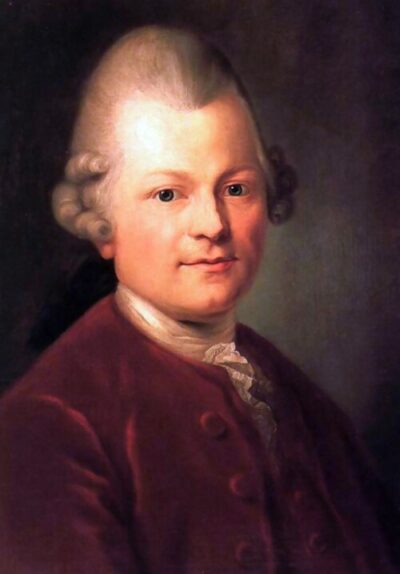
Nathan the Wise
Nathan the Wise is a play by Gotthold Ephraim Lessing (1779).
- Published
- 1779
- Came out
- April 1779
- Written by
- Gotthold Ephraim Lessing
- Genre
- dramatic poem
All 6 facts, and where they come from
Facts
6 facts · 0 confirmed by two sources · 0 cited · 6 from one source
Where this comes from
Papalocal keeps its own record. It started from these sources; what each one said is kept here as it was copied, so a change on their side never changes this page by itself. Tap one to read its version.
What Wikidata says · copied November 17, 2026 · revision 2555882263
- Described as
- play by Gotthold Ephraim Lessing (1779)
- What it is
- literary work
- Written by
- Gotthold Ephraim Lessing
- Genre
- dramatic poem
- Published
- 1779
- Language
- German
- Came out
- April 1779
- Wikipedias with a page
- 24
Wikidata item Q286611 (wikidata.org/wiki/Q286611), public domain (CC0). Copied 2026-11-17.
What Wikipedia says · copied November 17, 2026 · revision 1377662397
Nathan the Wise (original German title: Nathan der Weise, pronounced [ˈnaːtaːn deːɐ̯ ˈvaɪzə] ) is a 1779 play by the German philosopher and dramatist Gotthold Ephraim Lessing. It is a fervent plea for religious tolerance. It was never performed during Lessing's lifetime and was first performed in 1783 at the Döbbelinsches Theater in Berlin.
Set in Jerusalem during the Third Crusade, it describes how the wise Jewish merchant Nathan, the enlightened sultan Saladin, and the (initially anonymous) Templar, bridge their gaps between Judaism, Islam, and Christianity. Its major themes are friendship, tolerance, relativism of God, a rejection of miracles and a need for communication.
From the Wikipedia article “Nathan the Wise” (en.wikipedia.org/wiki/Nathan_the_Wise), by its contributors, under CC BY-SA 4.0 (creativecommons.org/licenses/by-sa/4.0/). Copied 2026-11-17; not changed.
Confirmed Two sources agree. Cited One source, and it names where it got it. One source One source, without a reference of its own. Sources disagree The sources disagree. We show the best-supported value and keep theirs below.
Picture: Wikimedia Commons: Lessing Nathan der Weise 1779.jpg · See Commons file page