National Bolshevik Party
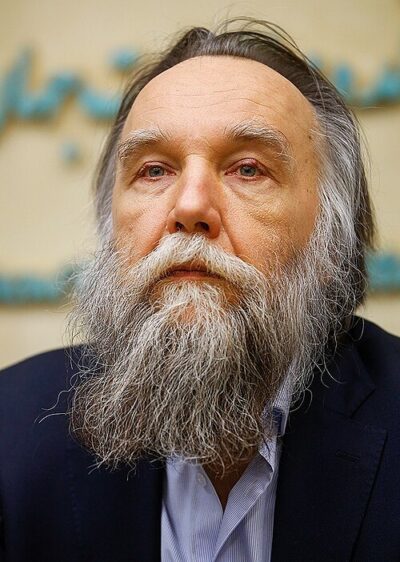
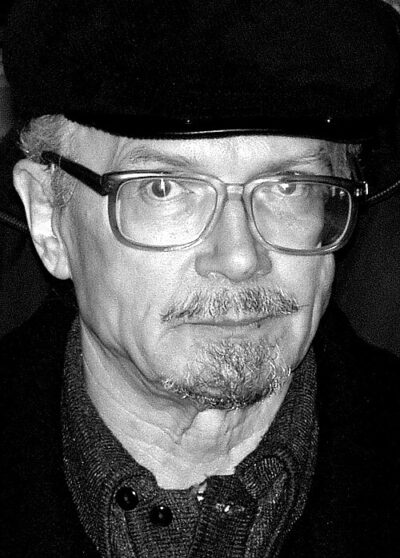
The National Bolshevik Party is a political party in Russia. It was founded in 1993 by Eduard Limonov, Alexander Dugin and Yegor Letov. Its headquarters are in Moscow. It stands for National Bolshevism, Russian nationalism and Eurasianism.
- Country
- Russia
- Founded
- May 1, 1993
- Ideology
- National Bolshevism
- Chair
- Eduard Limonov
All 15 facts, and where they come from
Facts
15 facts · 0 confirmed by two sources · 0 cited · 15 from one source
Where this comes from
Papalocal keeps its own record. It started from these sources; what each one said is kept here as it was copied, so a change on their side never changes this page by itself. Tap one to read its version.
What Wikidata says · copied November 17, 2026 · revision 2549991034
- Described as
- political party in Russia
- Other names
- Nazbol Party, Nazbols
- What it is
- political party
- Followed by
- The Other Russia of E. V. Limonov
- Founded
- May 1, 1993
- Ended
- August 7, 2007
- Founded by
- Eduard Limonov · 1 reference; Alexander Dugin; Yegor Letov; Sergey Kuryokhin
- Headquarters
- Moscow
- Country
- Russia
- Chair
- Eduard Limonov
- Ideology
- National Bolshevism; Russian nationalism · 1 reference; Eurasianism · 1 reference; red-brownism · 1 reference
- Wikipedias with a page
- 36
Wikidata item Q321022 (wikidata.org/wiki/Q321022), public domain (CC0). Copied 2026-11-17.
What Wikipedia says · copied November 17, 2026 · revision 1385867731
The National Bolshevik Party (Russian: Национал-большевистская партия, НБП, romanized: Natsional-bolshevistskaya partiya, NBP) was a Russian political party that operated from 1993 until it was banned in 2007. Its members were known as Nazbols (Russian: нацболы).
Founded in 1993 by writer Eduard Limonov, law student Taras Rabko, political philosopher Aleksandr Dugin, and punk musician Yegor Letov, the NBP was seen as an attempt to unite left-wing and right-wing extremists on the same platform, with Ilya Ponomarev characterising the party as having "used a bizarre mixture of totalitarian and fascist symbols, geopolitical dogma, leftist ideas, and national-patriotic demagoguery." Dugin left the party in 1998, and from the early 2000s the NBP focused on human rights activism as part of the anti-Putin movement in Russia, becoming known for its direct action tactics. In 2006, the NBP, alongside Garry Kasparov's United Civil Front and the Vanguard of Red Youth, formed The Other Russia coalition.
In 2007, the NBP was declared an extremist organization by the Supreme Court of Russia and was banned. The NBP was, at the time, the only large-scale nationwide organization officially recognized by a court as extremist under the Law on Combating Extremist Activity.
There have been smaller NBP groups in other post-Soviet countries, as well as in the United States and Israel. The party's official publication, the newspaper Limonka, derived its name from Limonov's surname and from the idiomatic Russian word for a grenade. The main editor of Limonka was, for many years, Aleksey Volynets. In 2010, Limonov and other former members founded a new party, The Other Russia of E. V. Limonov.
From the Wikipedia article “National Bolshevik Party” (en.wikipedia.org/wiki/National_Bolshevik_Party), by its contributors, under CC BY-SA 4.0 (creativecommons.org/licenses/by-sa/4.0/). Copied 2026-11-17; not changed.
Confirmed Two sources agree. Cited One source, and it names where it got it. One source One source, without a reference of its own. Sources disagree The sources disagree. We show the best-supported value and keep theirs below.
Picture: Wikimedia Commons: 1999 Impeachment of Boris Yeltsin 01.jpg · See Commons file page