
National Film Award for Best Supporting Actor
National Film Award for Best Supporting Actor is an Indian film award. It is given by the Union Council of Ministers of India.
- Given by
- Union Council of Ministers of India
- Country
- India
All 4 facts, and where they come from
Facts
4 facts · 0 confirmed by two sources · 0 cited · 4 from one source
Where this comes from
Papalocal keeps its own record. It started from these sources; what each one said is kept here as it was copied, so a change on their side never changes this page by itself. Tap one to read its version.
What Wikidata says · copied November 17, 2026 · revision 2558690289
- Described as
- Indian film award
- What it is
- award for best supporting actor; National Film Awards
- Country
- India
- Given by
- Union Council of Ministers of India
- Wikipedias with a page
- 12
Wikidata item Q1461985 (wikidata.org/wiki/Q1461985), public domain (CC0). Copied 2026-11-17.
What Wikipedia says · copied November 17, 2026 · revision 1386190507
The National Film Award for Best Actor in a Supporting Role is an honour presented annually at India's National Film Awards ceremony by the National Film Development Corporation of India (NFDC), an organisation set up by the Ministry of Information and Broadcasting. A national panel appointed annually by the NFDC selects the actor who has given the best performance in a supporting role within Indian cinema. The award is presented by the President of India at a ceremony held in New Delhi. Since the 70th National Film Awards, the name was changed to "Best Actor in a Supporting Role".
The winner is given a "Rajat Kamal" (Silver Lotus) certificate and a cash prize of ₹2 lakh (US$2,100). Including ties and repeat winners, the government of India has presented a total of 43 Best Supporting Actor awards to 29 different actors. Although Indian cinema produces films in more than 20 languages, the actors whose performances have won awards have worked in one or more of seven major languages: Hindi (19 awards), Tamil (10 awards), Bengali (3 awards), Malayalam (5 awards), Marathi (3 awards), Telugu (1 award), Kannada (1 award).
The first recipient was Victor Banerjee, who was honoured at the 32nd National Film Awards for his performance in the Bengali film Ghare Baire (1984). As of the 2013 awards, three actors—Nana Patekar, Pankaj Kapur, and Atul Kulkarni—have been honoured twice. Patekar was awarded for the Hindi films Parinda (1989) and Agni Sakshi (1996). Kapur received the awards for his work in the Hindi films Raakh (1988) and Maqbool (2003). Kulkarni was awarded for his performances in the Tamil / Hindi film Hey Ram (1999) and the Hindi film Chandni Bar (2001). Paresh Rawal and Dilip Prabhavalkar have each won the award for two performances in a single year. Rawal received the award for his starring roles in the Hindi films Woh Chokri (1993) and Sir (1993) at the 41st National Film Awards, while Prabhavalkar won at the 54th National Film Awards for his performances in the Hindi film Lage Raho Munna Bhai (2006) and the Marathi film Shevri (2006). At the 42nd National Film Awards, the award was tied between Ashish Vidyarthi and Nagesh, winning for their roles in the Hindi film Drohkaal (1994) and the Tamil film Nammavar (1994), respectively. It is repeated at the 71st National Film Awards also, as the award tied between Vijayaraghavan and M. S. Bhaskar, winning for their roles in the Malayalam film Pookkaalam (2023) and the Tamil film Parking (2023) respectively. They also become most recent recipients of this award. Nana Patekar, Mithun Chakraborty, Naseeruddin Shah, Prakash Raj and Manoj Bajpayee are the actors to receive honours in both acting categories: Best Actor in a Leading Role and Best Actor in a Supporting Role.
From the Wikipedia article “National Film Award for Best Actor in a Supporting Role” (en.wikipedia.org/wiki/National_Film_Award_for_Best_Actor_in_a_Supporting_Role), by its contributors, under CC BY-SA 4.0 (creativecommons.org/licenses/by-sa/4.0/). Copied 2026-11-17; not changed.
Confirmed Two sources agree. Cited One source, and it names where it got it. One source One source, without a reference of its own. Sources disagree The sources disagree. We show the best-supported value and keep theirs below.
People connected 11
Won it
 Arjun Rampal (2009)Indian film actor, producer, model and television host
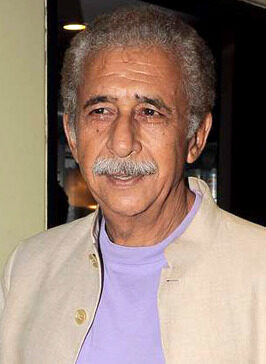 Naseeruddin Shah (2006)Indian actor and director
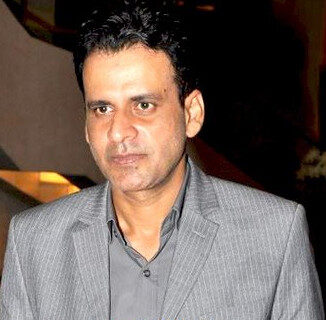 Manoj Bajpai (1999)Indian actor
 Prakash Raj (1998)Indian film actor, director, producer, and television presenter
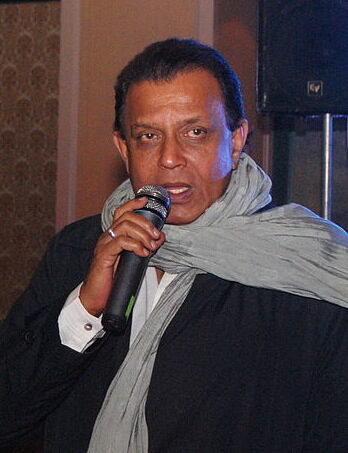 Mithun Chakraborty (1996)Indian film actor
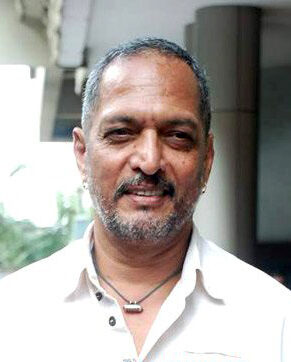 Nana Patekar (1990)Indian philanthropist, writer, film actor, and filmmaker (1951–2026)
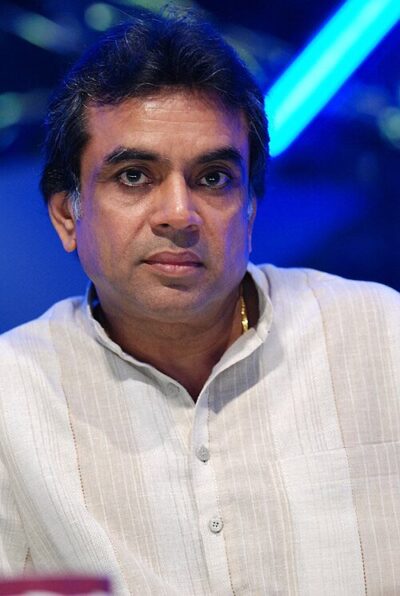 Paresh RawalIndian actor and politician
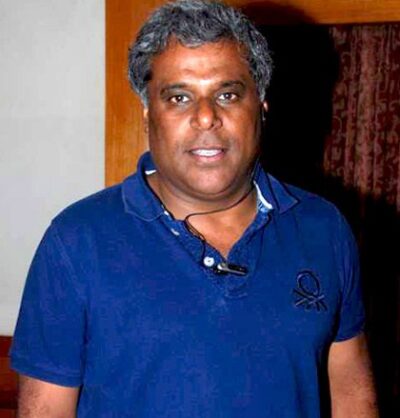 Ashish VidyarthiIndian actor (born 1962)
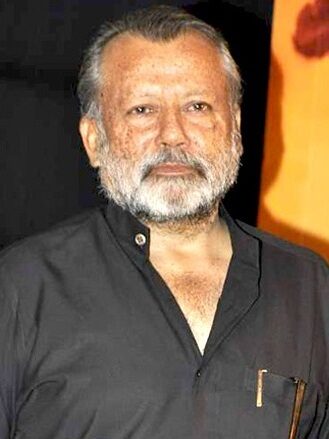 Pankaj KapurIndian actor
 Atul KulkarniIndian actor
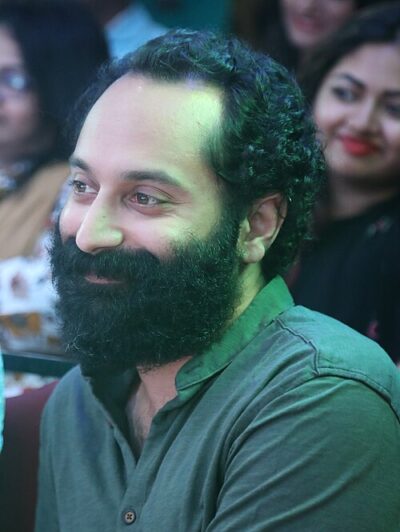 Fahadh FaasilIndian film actor
