
NBA Rookie of the Year Award
NBA Rookie of the Year Award is an award. It was created in 1953.
- Country
- United States
- Created
- 1953
All 4 facts, and where they come from
Facts
4 facts · 0 confirmed by two sources · 0 cited · 4 from one source
Where this comes from
Papalocal keeps its own record. It started from these sources; what each one said is kept here as it was copied, so a change on their side never changes this page by itself. Tap one to read its version.
What Wikidata says · copied November 16, 2026 · revision 2569384055
- Described as
- award
- Other names
- Rookie of the Year Award
- What it is
- award
- Created
- 1953 · 1 reference
- Country
- United States
- Sport
- basketball
- Wikipedias with a page
- 35
Wikidata item Q644357 (wikidata.org/wiki/Q644357), public domain (CC0). Copied 2026-11-16.
What Wikipedia says · copied November 16, 2026 · revision 1384393527
The National Basketball Association's Rookie of the Year is an annual National Basketball Association (NBA) award given to the top rookie(s) of the regular season. Initiated following the 1952–53 NBA season, it confers the Eddie Gottlieb Trophy, named after the former Philadelphia Warriors head coach. Since the 2022–23 NBA season, winners receive the Wilt Chamberlain Trophy, named after the former Rookie of the Year winner, who also won the regular season MVP and All-Star Game MVP during his rookie season.
The winner is selected by a panel of United States and Canadian sportswriters and broadcasters, each casting first-, second-, and third-place votes (worth five points, three points, and one point, respectively). The player(s) with the highest point total, regardless of the number of first-place votes, wins the award.
The most recent Rookie of the Year winner is Cooper Flagg of the Dallas Mavericks. Twenty-two winners were drafted first overall. Sixteen winners have also won the NBA Most Valuable Player (MVP) award in their careers with Wilt Chamberlain and Wes Unseld earning both honors the same season. Thirty of the non-active winners have been elected to the Naismith Memorial Basketball Hall of Fame. Three seasons had joint winners—Dave Cowens and Geoff Petrie in the 1970–71 season, Grant Hill and Jason Kidd in the 1994–95 season, and Elton Brand and Steve Francis in the 1999–2000 season. Six players won the award unanimously (by capturing all of the first-place votes)—Ralph Sampson, David Robinson, Blake Griffin, Damian Lillard, Karl-Anthony Towns, and Victor Wembanyama.
Patrick Ewing of Jamaica, Pau Gasol of Spain, Kyrie Irving and Ben Simmons of Australia, Andrew Wiggins of Canada, Luka Dončić of Slovenia, and Victor Wembanyama of France are the only winners not born in the United States. Three of these individuals have dual nationality by birth—Wiggins and Simmons have American fathers, and both of Irving's parents are Americans. Ewing immigrated to the Boston area at age 11, Irving moved to the United States at age 2, and Wiggins and Simmons moved to the U.S. while in high school. Gasol, Dončić, and Wembanyama are the only winners trained entirely outside the United States.
Chamberlain (Harlem Globetrotters), Gasol (FC Barcelona of Liga ACB and EuroLeague), Dončić (Real Madrid of Liga ACB and EuroLeague), LaMelo Ball (BC Prienai of the Lithuanian Basketball League, the Los Angeles Ballers of the JBA, and the Illawarra Hawks of the NBL), and Wembanyama (Nanterre 92, ASVEL, and Metropolitans 92 of LNB Élite) all had professional careers outside the NBA prior to being drafted. Ball also had previously won the NBL Rookie of the Year Award.
From the Wikipedia article “NBA Rookie of the Year” (en.wikipedia.org/wiki/NBA_Rookie_of_the_Year), by its contributors, under CC BY-SA 4.0 (creativecommons.org/licenses/by-sa/4.0/). Copied 2026-11-16; not changed.
Confirmed Two sources agree. Cited One source, and it names where it got it. One source One source, without a reference of its own. Sources disagree The sources disagree. We show the best-supported value and keep theirs below.
People connected 69
Won it 69
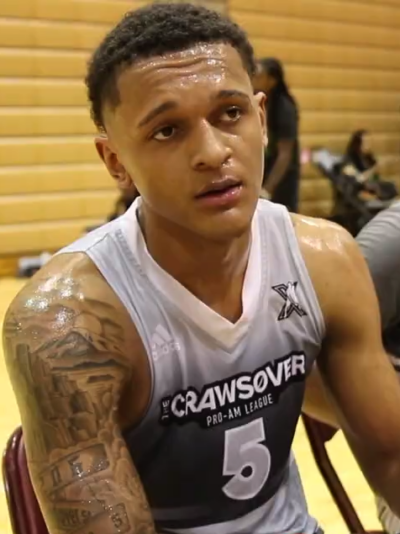 Paolo Banchero (2023)American basketball player (born 2002)
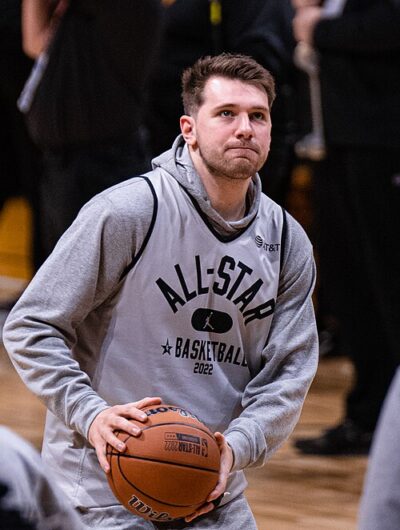 Luka Dončić (2019)Slovenian basketball player (born 1999)
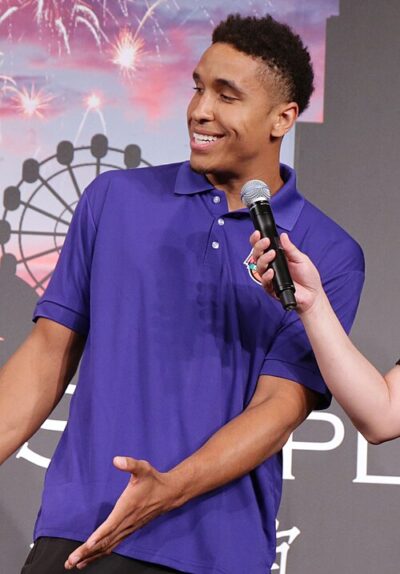 Malcolm Brogdon (2017)American basketball player (born 1992)
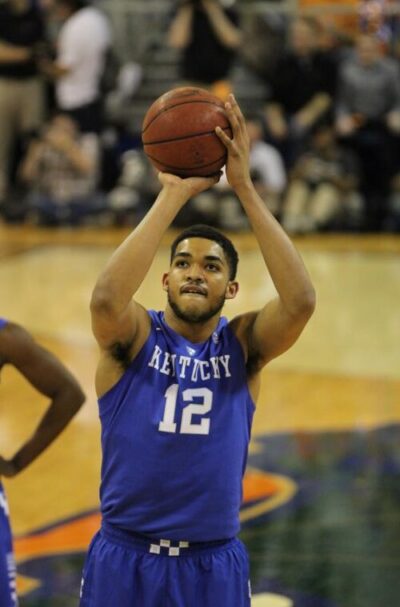 Karl-Anthony Towns (2016)Dominican-American basketball player
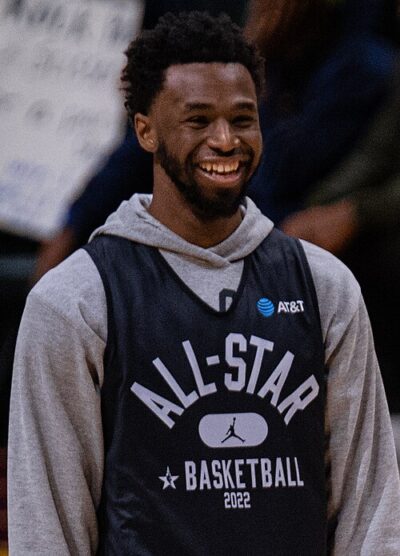 Andrew Wiggins (2015)Canadian basketball player (born 1995)
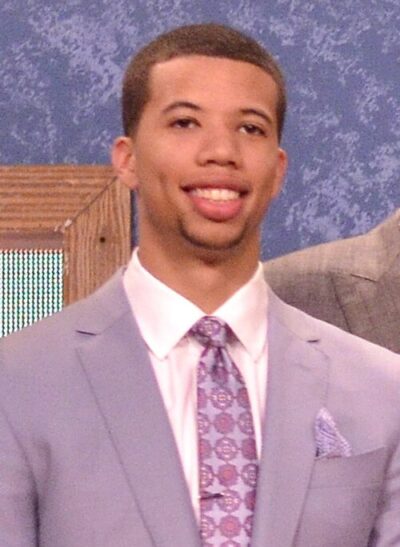 Michael Carter Williams (2014)American basketball player (born 1991)
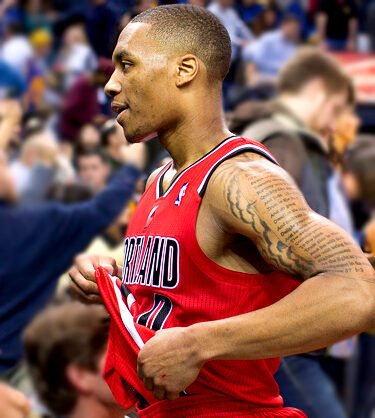 Damian Lillard (2013)American basketball player (born 1990)
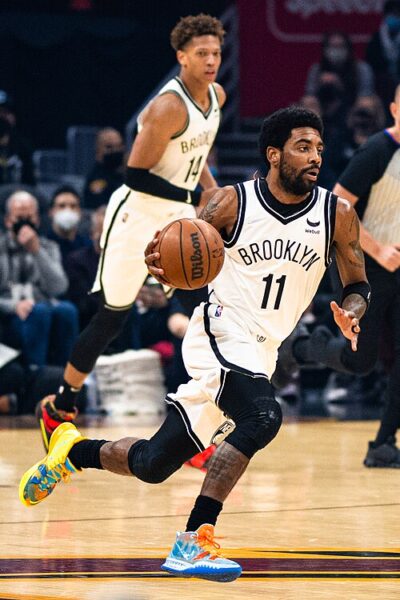 Kyrie Irving (2012)American basketball player (born 1992)
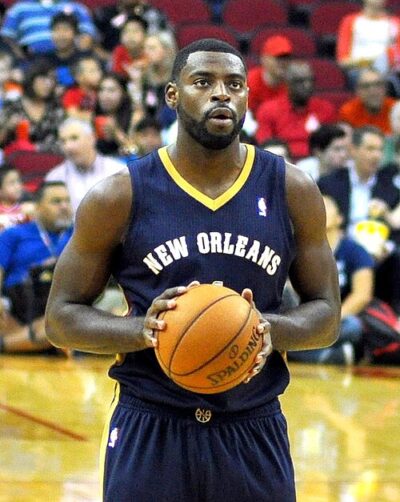 Tyreke Evans (2010)American basketball player (born 1989)
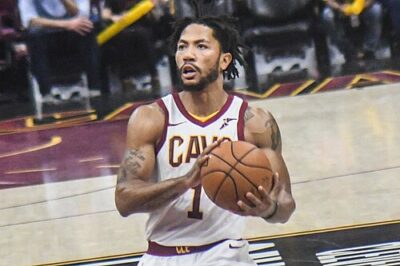 Derrick Rose (2009)American basketball player (born 1988)
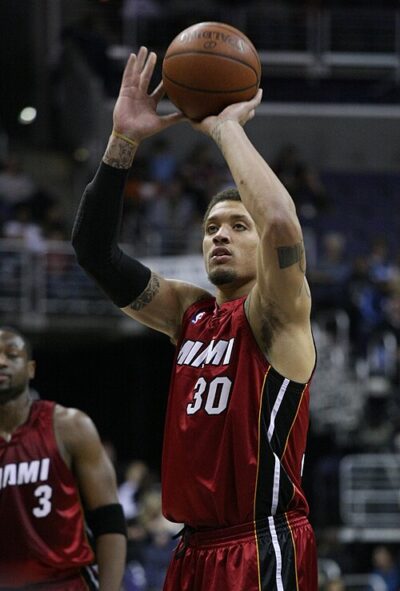 Michael Beasley (2009)American basketball player (born 1989)
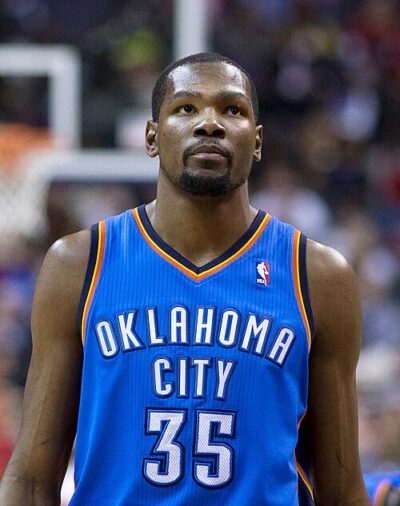 Kevin Durant (2008)American basketball player (born 1988)
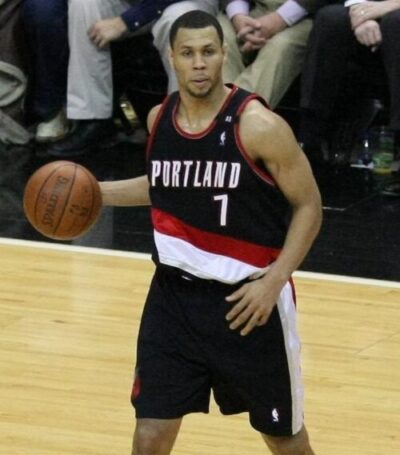 Brandon Roy (2007)American basketball player and coach (born 1984)
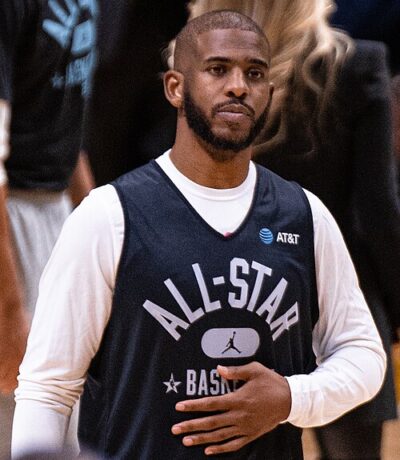 Chris Paul (2006)American basketball player (born 1985)
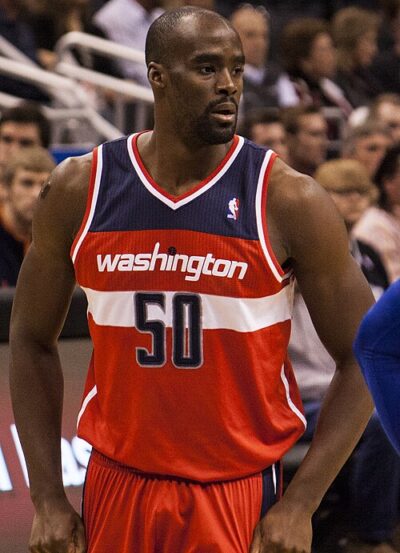 Emeka Okafor (2005)American basketball player (born 1982)
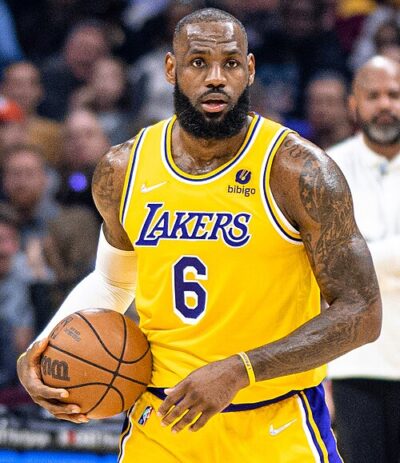 LeBron James (2004)American basketball player (born 1984)
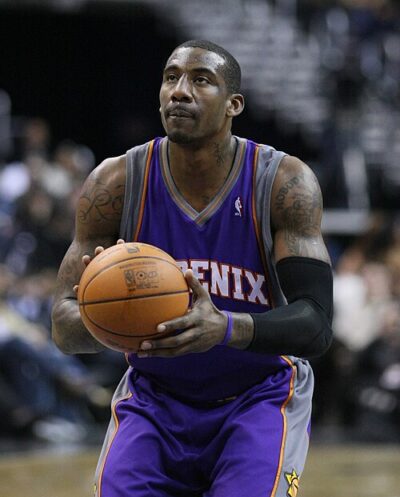 Amar'e Stoudemire (2003)American basketball player (born 1982)
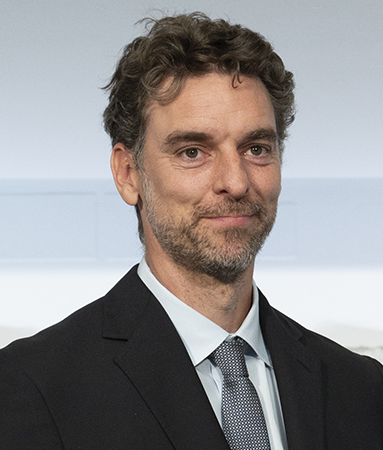 Pau Gasol (2002)Spanish basketball player (born 1980)
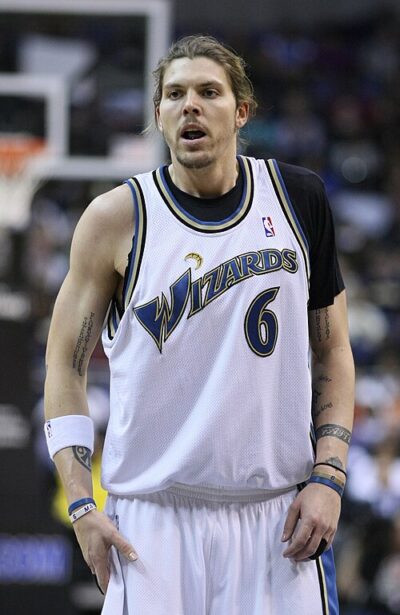 Mike Miller (2001)American basketball player (born 1980)
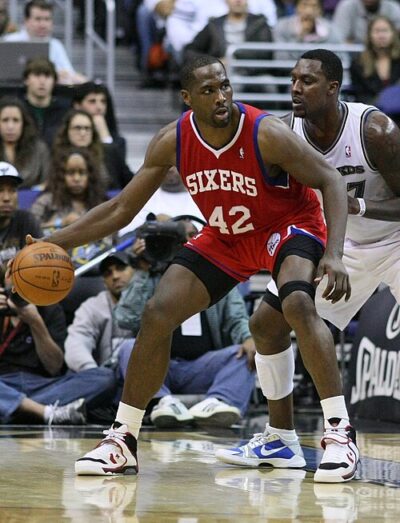 Elton Brand (2000)American basketball player (born 1979)
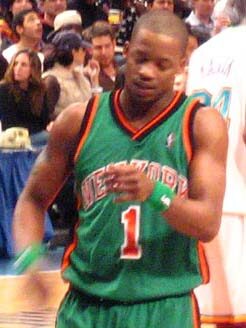 Steve Francis (2000)American basketball player
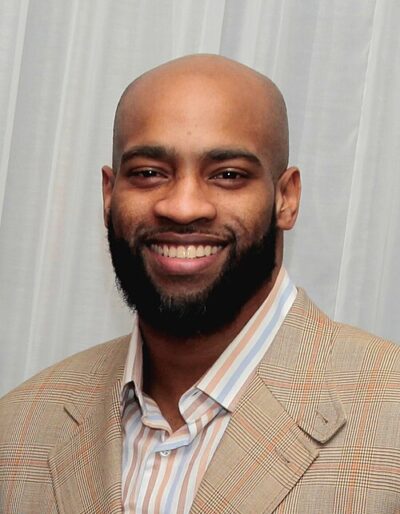 Vince Carter (1999)American basketball player (born 1977)
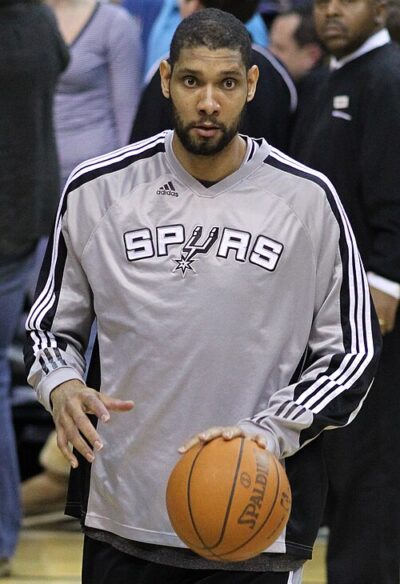 Tim Duncan (1998)American basketball player (born 1976)
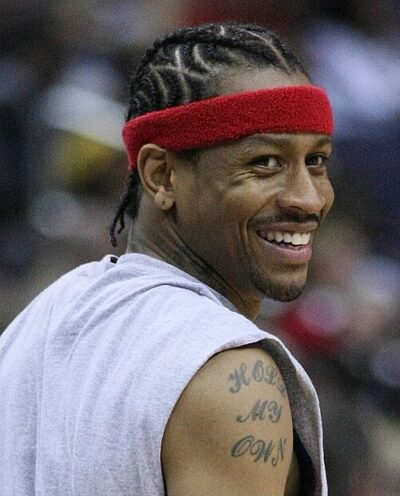 Allen Iverson (1997)American basketball player (born 1975)
and 45 more
