New York Soccer Club
New York Soccer Club is an also called the New York Giants from 1923 and 1930.
- Sport
- association football
- Founded
- 1923
All 4 facts, and where they come from
Facts
4 facts · 0 confirmed by two sources · 0 cited · 4 from one source
Where this comes from
Papalocal keeps its own record. It started from these sources; what each one said is kept here as it was copied, so a change on their side never changes this page by itself. Tap one to read its version.
What Wikidata says · copied November 17, 2026 · revision 1974788955
- Described as
- also called the New York Giants from 1923 and 1930
- What it is
- association football club
- Founded
- 1923 · 1 reference
- Country
- United States
- Sport
- association football
- Wikipedias with a page
- 2
Wikidata item Q14884143 (wikidata.org/wiki/Q14884143), public domain (CC0). Copied 2026-11-17.
What Wikipedia says · copied November 17, 2026 · revision 1375644600
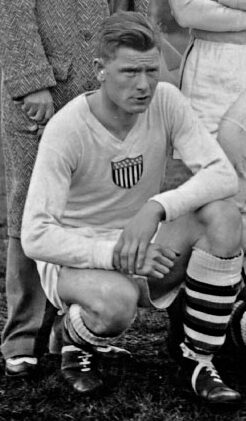
New York Soccer Club was the name of a New York soccer team that, in 1930, played briefly in the American Soccer League.
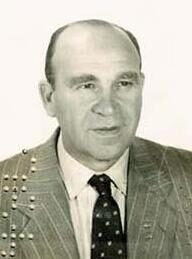
In 1923, New York fur merchant Maurice Vandeweghe - the father and grandfather of later basketball stars Ernie and Kiki Vandeweghe - bought the Paterson franchise of the ASL and moved the team to the Bronx New York. It played its matches mainly in the Bronx and some major games at the Polo Grounds. Vandeweghe originally renamed the team the New York National Giants, but in 1924, he changed it to New York Giants. Vandeweghe initially also owned 75% of the shares of New York Hakoah, which he had to sell due to regulations.
Between 1923 and 1930 they had been known as the New York Giants. In 1930 they merged with the Fall River F.C. to become the New York Yankees. Then in 1931 this club absorbed Fall River F.C. and moved to New Bedford, Massachusetts to become the New Bedford Whalers.
From the Wikipedia article “New York Soccer Club” (en.wikipedia.org/wiki/New_York_Soccer_Club), by its contributors, under CC BY-SA 4.0 (creativecommons.org/licenses/by-sa/4.0/). Copied 2026-11-17; not changed.
Confirmed Two sources agree. Cited One source, and it names where it got it. One source One source, without a reference of its own. Sources disagree The sources disagree. We show the best-supported value and keep theirs below.