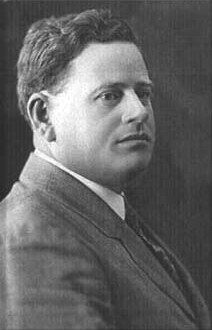
Nili
Nili is a Jewish underground movement in Ottoman Palestine.
- Country
- Ottoman Empire
All 3 facts, and where they come from
Facts
3 facts · 0 confirmed by two sources · 0 cited · 3 from one source
Where this comes from
Papalocal keeps its own record. It started from these sources; what each one said is kept here as it was copied, so a change on their side never changes this page by itself. Tap one to read its version.
What Wikidata says · copied November 18, 2026 · revision 2561149705
- Described as
- Jewish underground movement in Ottoman Palestine
- What it is
- resistance movement; spy ring
- Country
- Ottoman Empire
- Wikipedias with a page
- 13
Wikidata item Q2354204 (wikidata.org/wiki/Q2354204), public domain (CC0). Copied 2026-11-18.
What Wikipedia says · copied November 18, 2026 · revision 1382511025
NILI (Hebrew: ניל״י) was a Jewish espionage network which assisted the United Kingdom in the fight against the Ottoman Empire between 1915 and 1917 during World War I in the Mutasarrifate of Jerusalem. NILI was based in Zikhron Ya'akov, with branches in Hadera and other Moshavot. Nili is an acronym which stands for the Hebrew phrase: "Netzah Yisrael Lo Yeshaker" (1 Samuel 15:29), which translates as "the Eternal One of Israel will not lie". The British government code-named NILI the "A Organization", according to a 1920 misfiled memorandum in the British National Archives, as described in the book Spies in Palestine by James Srodes.
In choosing to side with the British Empire, the members of Nili went against the majority view of their fellow Jews from the Yishuv. Thus, during the Armenian genocide, the group opposed the Yishuv leadership at the time, and tried to intervene on behalf of the Armenians.
From the Wikipedia article “Nili” (en.wikipedia.org/wiki/Nili), by its contributors, under CC BY-SA 4.0 (creativecommons.org/licenses/by-sa/4.0/). Copied 2026-11-18; not changed.
Confirmed Two sources agree. Cited One source, and it names where it got it. One source One source, without a reference of its own. Sources disagree The sources disagree. We show the best-supported value and keep theirs below.