nitroglycerin
Nitroglycerin is a chemical compound.
All 1 facts, and where they come from
Facts
1 facts · 0 confirmed by two sources · 0 cited · 1 from one source
Where this comes from
Papalocal keeps its own record. It started from these sources; what each one said is kept here as it was copied, so a change on their side never changes this page by itself. Tap one to read its version.
What Wikidata says · copied November 17, 2026 · revision 2569903449
- Described as
- chemical compound
- Other names
- glyceryl trinitrate, trinitroglycerin, nitroglycerine, trinitroglycerol, nitroglycerol, glycerol, nitric acid triester, 1,2,3-propanetrioltrinitrate, 1,2,3-propanetriyl nitrate, NG, glycerin trinitrate, glycerol trinitrate, propane-1,2,3-triyl trinitrate
- What it is
- type of chemical entity
- Wikipedias with a page
- 80
Wikidata item Q162867 (wikidata.org/wiki/Q162867), public domain (CC0). Copied 2026-11-17.
What Wikipedia says · copied November 17, 2026 · revision 1383739759
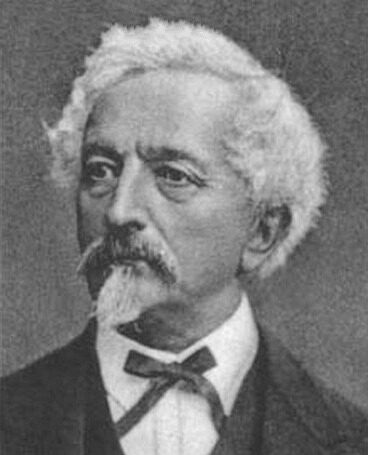
Nitroglycerin (NG, alternative spelling nitroglycerine), also known as trinitroglycerin (TNG), nitro, glyceryl trinitrate (GTN), or 1,2,3-trinitroxypropane, is a dense, colorless or pale yellow, oily, explosive liquid most commonly produced by nitrating glycerol with white fuming nitric acid under conditions appropriate to the formation of the nitric acid ester. Chemically, the substance is a nitrate ester rather than a nitro compound, but the traditional name is retained. Discovered in 1846 by Ascanio Sobrero, nitroglycerin has been used as an active ingredient in the manufacture of explosives, namely dynamite, and as such it is employed in the construction, demolition, and mining industries. It is combined with nitrocellulose to form double-based smokeless powder, used as a propellant in artillery and firearms since the 1880s.
As is the case for many other explosives, nitroglycerin becomes more and more prone to exploding (i.e., spontaneous decomposition) as the temperature is increased. Upon exposure to heat above 218 °C at sea-level atmospheric pressure, nitroglycerin becomes extremely unstable and tends to explode. When placed in vacuum, it has an autoignition temperature of 270 °C instead. With a melting point of 12.8 °C, the chemical is almost always encountered as a thick and viscous fluid, changing to a crystalline solid when frozen. Although the pure compound itself is colorless, in practice the presence of nitric oxide impurities left over during production tends to give it a slight yellowish tint.
Due to its high boiling point and consequently low vapor pressure (0.00026 mmHg at 20 °C), pure nitroglycerin has practically no odor at room temperature, with a sweet and burning taste when ingested. Unintentional detonation may ensue when dropped, shaken, lit on fire, rapidly heated, exposed to sunlight and ozone, subjected to sparks and electrical discharges, or roughly handled. Its sensitivity to exploding is responsible for numerous devastating industrial accidents throughout its history. The chemical's characteristic reactivity may be reduced through the addition of desensitizing agents, which makes it less likely to explode. Clay (diatomaceous earth) is an example of such an agent, forming dynamite, a much more easily handled composition. The addition of other desensitizing agents gives birth to the various formulations of dynamite.
Nitroglycerin as a medication has been used since 1878 as a potent vasodilator (causing dilation of the vascular system) to treat heart conditions, such as angina pectoris and chronic heart failure. Though it was previously known that these beneficial effects are due to nitroglycerin being converted to nitric oxide, a potent vasodilator, the enzyme for this conversion was only discovered to be mitochondrial aldehyde dehydrogenase (ALDH2) in 2002. Nitroglycerin is available in sublingual tablets, sprays, ointments, and patches.
From the Wikipedia article “Nitroglycerin” (en.wikipedia.org/wiki/Nitroglycerin), by its contributors, under CC BY-SA 4.0 (creativecommons.org/licenses/by-sa/4.0/). Copied 2026-11-17; not changed.
Confirmed Two sources agree. Cited One source, and it names where it got it. One source One source, without a reference of its own. Sources disagree The sources disagree. We show the best-supported value and keep theirs below.