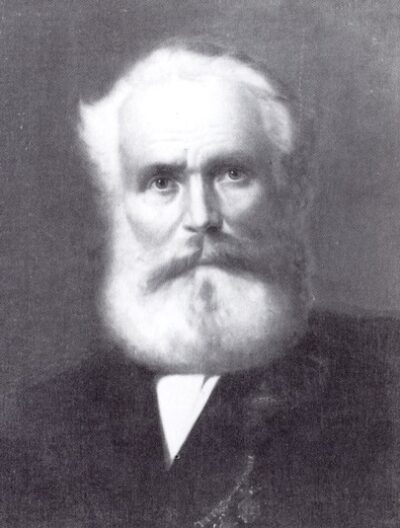
No. 14 chair
No. 14 chair is an iconic bent wood chair made by the Thonet chair company. It came out in 1859. It was created by Michael Thonet.
- Came out
- 1859
- Created by
- Michael Thonet
All 3 facts, and where they come from
Facts
3 facts · 0 confirmed by two sources · 1 cited · 2 from one source
Where this comes from
Papalocal keeps its own record. It started from these sources; what each one said is kept here as it was copied, so a change on their side never changes this page by itself. Tap one to read its version.
What Wikidata says · copied November 18, 2026 · revision 2438900476
- Described as
- iconic bent wood chair made by the Thonet chair company
- Other names
- Thonet No. 14, Number 14 Thonet chair, bistro chair
- What it is
- furniture model · 1 reference
- Created by
- Michael Thonet
- Came out
- 1859
- Wikipedias with a page
- 11
Wikidata item Q2947713 (wikidata.org/wiki/Q2947713), public domain (CC0). Copied 2026-11-18.
What Wikipedia says · copied November 18, 2026 · revision 1379181516
The No. 14 chair is the most famous chair made by the Thonet chair company. Also known as the "bistro chair", it was designed in the Austrian Empire
by Michael Thonet and introduced in 1859, becoming the world's first mass-produced item of furniture. It is made using bent wood (steam-bending), and the design required years to perfect. With its affordable price and simple design, it became one of the best-selling chairs ever made. Gebrüder Thonet sold 50 million No. 14s between 1859 and 1930,
and the company's successor organisations have sold millions more since then. "It represents the best example of a design which has been refined to the point where there is no way to improve it."
Thonet's No. 14 comprises six pieces of steam-bent wood, ten screws, and two nuts. The wooden parts were made by heating beechwood slats to 100 °C (212 °F), pressing them into curved cast-iron moulds, and then drying them at around 70 °C (158 °F) for 20 hours. The chairs could be mass-produced by unskilled workers and disassembled to save space during transportation.
Later chairs, as illustrated here, were made of eight pieces of wood. Two diagonal braces were added between the seat and back to strengthen this hard-worked joint.
The design met a requirement for café-style chairs. The seat was often made of woven cane or palm, because the holes in the seat would let spilt liquid drain off the chair.
Chair No 14 is still produced by Gebrüder Thonet, Vienna, by Ton, and by Thonet (as 214).
From the Wikipedia article “No. 14 chair” (en.wikipedia.org/wiki/No._14_chair), by its contributors, under CC BY-SA 4.0 (creativecommons.org/licenses/by-sa/4.0/). Copied 2026-11-18; not changed.
Confirmed Two sources agree. Cited One source, and it names where it got it. One source One source, without a reference of its own. Sources disagree The sources disagree. We show the best-supported value and keep theirs below.
Picture: Wikimedia Commons: Michael Thonet 14.jpg · See Commons file page