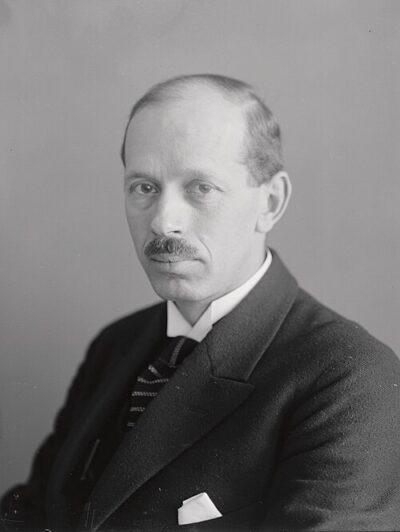
Norwegian Polar Institute
Norwegian Polar Institute is a government agency. It was founded in 1948. Its headquarters are in Fram Centre. Its chief executive is Camilla Brekke. It has 187 employees (2023).
- Founded
- 1948
- Headquarters
- Fram Centre
- Chief executive
- Camilla Brekke (2023–)
- Employees
- 187 (2023)
- Country
- Norway
All 10 facts, and where they come from
Facts
10 facts · 0 confirmed by two sources · 2 cited · 8 from one source
Where this comes from
Papalocal keeps its own record. It started from these sources; what each one said is kept here as it was copied, so a change on their side never changes this page by itself. Tap one to read its version.
What Wikidata says · copied November 17, 2026 · revision 2553624513
- Described as
- government agency
- Other names
- Norsk Polarinstitutt, Norges Svalbard- og Ishavsundersøkelser
- What it is
- open-access publisher · 1 reference; national mapping agency; directorate in Norway
- Founded
- 1948
- Headquarters
- Fram Centre
- Country
- Norway · 2 references
- Chief executive
- Camilla Brekke (2023–)
- Employees
- 187 (2023)
- Part of
- Ministry of Climate and Environment
- Official website
- https://www.npolar.no/
- Wikipedias with a page
- 23
Wikidata item Q962986 (wikidata.org/wiki/Q962986), public domain (CC0). Copied 2026-11-17.
What Wikipedia says · copied November 17, 2026 · revision 1383891545
The Norwegian Polar Institute (NPI; Norwegian: Norsk Polarinstitutt) is Norway's central governmental institution for scientific research, mapping and environmental monitoring in the Arctic and the Antarctic. The NPI is a directorate under Norway's Ministry of Climate and Environment. The institute advises Norwegian authorities on matters concerning polar environmental management and is the official environmental management body for Norwegian activities in Antarctica.
From the Wikipedia article “Norwegian Polar Institute” (en.wikipedia.org/wiki/Norwegian_Polar_Institute), by its contributors, under CC BY-SA 4.0 (creativecommons.org/licenses/by-sa/4.0/). Copied 2026-11-17; not changed.
Confirmed Two sources agree. Cited One source, and it names where it got it. One source One source, without a reference of its own. Sources disagree The sources disagree. We show the best-supported value and keep theirs below.
Picture: Harald Groven, via Wikimedia Commons · CC BY-SA 3.0