nystatin
Nystatin is a pharmaceutical drug.
All 3 facts, and where they come from
Facts
3 facts · 0 confirmed by two sources · 1 cited · 2 from one source
Where this comes from
Papalocal keeps its own record. It started from these sources; what each one said is kept here as it was copied, so a change on their side never changes this page by itself. Tap one to read its version.
What Wikidata says · copied November 19, 2026 · revision 2553930697
- Described as
- pharmaceutical drug
- What it is
- medication · 1 reference; WHO essential medicines; extract
- Wikipedias with a page
- 37
Wikidata item Q251005 (wikidata.org/wiki/Q251005), public domain (CC0). Copied 2026-11-19.
What Wikipedia says · copied November 19, 2026 · revision 1382844328
Nystatin, sold under the brand name Mycostatin among others, is an antifungal medication. It is used to treat Candida infections of the skin including diaper rash, thrush, esophageal candidiasis, and vaginal yeast infections. It may also be used to prevent candidiasis in those who are at high risk. Nystatin may be used by mouth, in the vagina, or applied to the skin.
Common side effects when applied to the skin include burning, itching, and a rash. Common side effects when taken by mouth include vomiting and diarrhea. During pregnancy use in the vagina is safe while other formulations have not been studied in this group. It works by disrupting the cell membrane of the fungal cells.
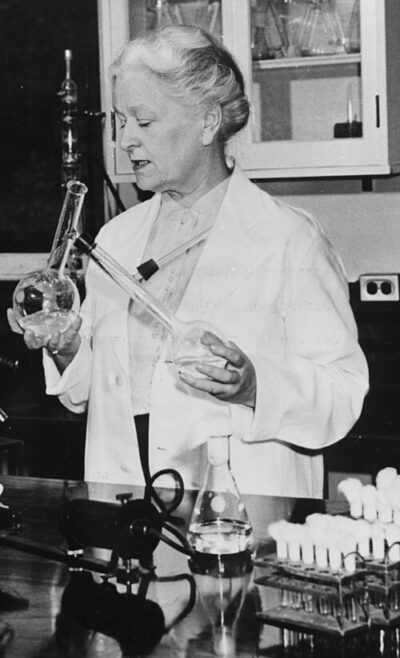
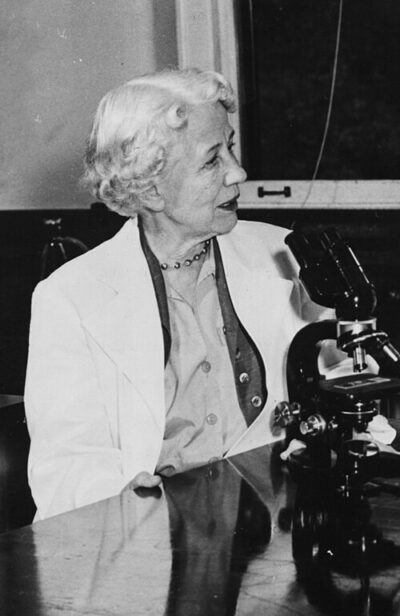
Nystatin was discovered in 1950 by Rachel Fuller Brown and Elizabeth Lee Hazen. It was the first polyene macrolide antifungal. It is on the World Health Organization's List of Essential Medicines. It is available as a generic medication. It is made from the bacterium Streptomyces noursei. In 2023, it was the 233rd most commonly prescribed medication in the United States, with more than 1 million prescriptions.
From the Wikipedia article “Nystatin” (en.wikipedia.org/wiki/Nystatin), by its contributors, under CC BY-SA 4.0 (creativecommons.org/licenses/by-sa/4.0/). Copied 2026-11-19; not changed.
Confirmed Two sources agree. Cited One source, and it names where it got it. One source One source, without a reference of its own. Sources disagree The sources disagree. We show the best-supported value and keep theirs below.