Oh! Susanna
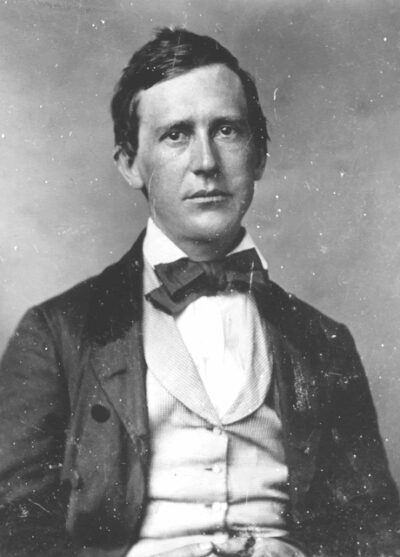
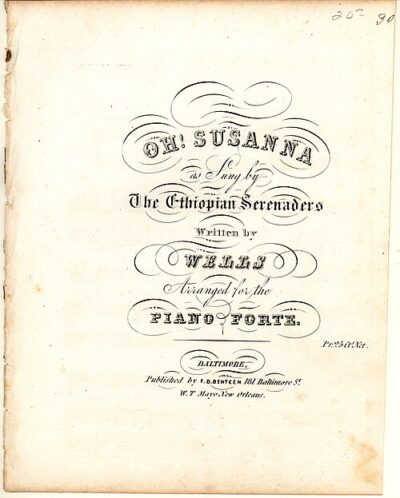
Oh! Susanna is an American song. It came out in 1848. It is performed by Stephen Foster.
- Released
- February 25, 1848
- Came out
- 1846
- Performed by
- Stephen Foster
- Genre
- minstrel show
- Country of origin
- United States
All 11 facts, and where they come from
Facts
11 facts · 0 confirmed by two sources · 0 cited · 11 from one source
Where this comes from
Papalocal keeps its own record. It started from these sources; what each one said is kept here as it was copied, so a change on their side never changes this page by itself. Tap one to read its version.
What Wikidata says · copied November 17, 2026 · revision 2569117643
- Described as
- American song
- Other names
- Oh Susanna
- What it is
- musical work/composition
- Performed by
- Stephen Foster
- Music by
- Stephen Foster
- Genre
- minstrel show; polka; folk music
- Released
- February 25, 1848
- Language
- English
- Country of origin
- United States
- Came out
- 1846
- Country
- United States
- Wikipedias with a page
- 21
Wikidata item Q573938 (wikidata.org/wiki/Q573938), public domain (CC0). Copied 2026-11-17.
What Wikipedia says · copied November 17, 2026 · revision 1382675292
"Oh! Susanna" is a folk song by Stephen Foster (1826–1864), first published in 1848. It is among the most popular American songs ever written. Although the song is about the South, members of the Western Writers of America in 2010 chose it as one of the Top 100 Western songs of all time.
From the Wikipedia article “Oh! Susanna” (en.wikipedia.org/wiki/Oh!_Susanna), by its contributors, under CC BY-SA 4.0 (creativecommons.org/licenses/by-sa/4.0/). Copied 2026-11-17; not changed.
Confirmed Two sources agree. Cited One source, and it names where it got it. One source One source, without a reference of its own. Sources disagree The sources disagree. We show the best-supported value and keep theirs below.
Picture: Stephen Foster, via Wikimedia Commons · Public domain