On Bullshit
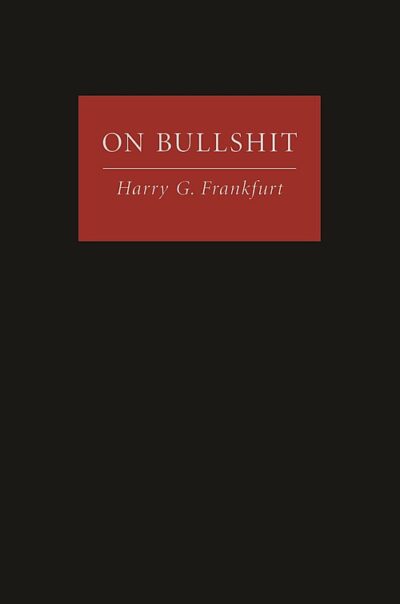
On Bullshit is a philosophical essay by Harry Frankfurt. It came out in 1986.
- Published
- 1986
- Written by
- Harry Frankfurt
- Genre
- polemical lampoon
All 7 facts, and where they come from
Facts
7 facts · 0 confirmed by two sources · 0 cited · 7 from one source
Where this comes from
Papalocal keeps its own record. It started from these sources; what each one said is kept here as it was copied, so a change on their side never changes this page by itself. Tap one to read its version.
What Wikidata says · copied November 17, 2026 · revision 2549957649
- Described as
- philosophical essay by Harry Frankfurt
- What it is
- written work
- Written by
- Harry Frankfurt
- Genre
- polemical lampoon; essay · 1 reference
- Published
- 1986; January 2005 · 1 reference
- Language
- English
- Followed by
- On Truth
- Wikipedias with a page
- 16
Wikidata item Q1760159 (wikidata.org/wiki/Q1760159), public domain (CC0). Copied 2026-11-17.
What Wikipedia says · copied November 17, 2026 · revision 1384246904
On Bullshit is a 1986 essay, published as a book in 2005, by the American philosopher Harry G. Frankfurt which presents a theory of bullshit that defines the concept and analyzes the applications of bullshit in the context of communication. Frankfurt determines that bullshit is speech intended to persuade without regard for truth. The liar cares about the truth and attempts to hide it; the bullshitter doesn't care whether what they say is true or false. Frankfurt's philosophical analysis of bullshit has been analyzed, criticized and adopted by academics since its publication.
From the Wikipedia article “On Bullshit” (en.wikipedia.org/wiki/On_Bullshit), by its contributors, under CC BY-SA 4.0 (creativecommons.org/licenses/by-sa/4.0/). Copied 2026-11-17; not changed.
Confirmed Two sources agree. Cited One source, and it names where it got it. One source One source, without a reference of its own. Sources disagree The sources disagree. We show the best-supported value and keep theirs below.
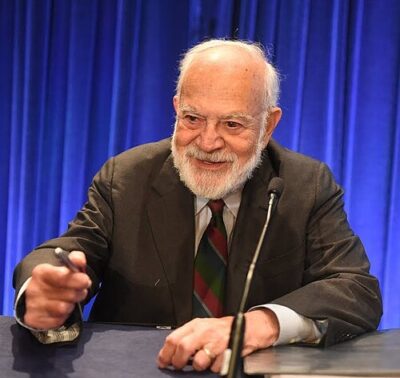
Picture: Harry Frankfurt / Princeton University Press, via Wikimedia Commons · Public domain