
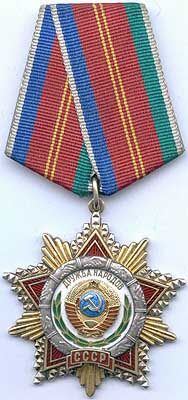
Order of Friendship of Peoples
Order of Friendship of Peoples is a Soviet order. It was created in 1972.
- Country
- Soviet Union
- Created
- December 17, 1972
All 5 facts, and where they come from
Facts
5 facts · 0 confirmed by two sources · 0 cited · 5 from one source
Where this comes from
Papalocal keeps its own record. It started from these sources; what each one said is kept here as it was copied, so a change on their side never changes this page by itself. Tap one to read its version.
What Wikidata says · copied November 16, 2026 · revision 2569075862
- Described as
- Soviet order
- What it is
- order; civil decoration
- Created
- December 17, 1972
- Ended
- 1994
- Country
- Soviet Union
- Wikipedias with a page
- 37
Wikidata item Q583881 (wikidata.org/wiki/Q583881), public domain (CC0). Copied 2026-11-16.
What Wikipedia says · copied November 16, 2026 · revision 1366305071
The Order of Friendship of Peoples (Russian: oрден Дружбы народов, romanized: orden Druzhby narodov) was an order of the Soviet Union, and was awarded to persons (including non-citizens), organizations, enterprises, military units, as well as administrative subdivisions of the USSR for accomplishments in strengthening of inter-ethnic and international friendship and cooperation, for economical, political, scientific, military, and cultural development of the Soviet Union.
It was established on December 17, 1972, on the occasion of the 50th anniversary of the creation of the Soviet Union. The design of order was created by Alexander Zhuk. The status of Order was slightly amended by the Supreme Soviet of the Soviet Union in July 1980. It was abolished in December 1991. In the Russian Federation it was succeeded by the Order of Friendship, also designed by Alexander Zhuk.
The first recipient was the Russian Soviet Federative Socialist Republic (RSFSR), followed by the other republics of the Soviet Union.
From the Wikipedia article “Order of Friendship of Peoples” (en.wikipedia.org/wiki/Order_of_Friendship_of_Peoples), by its contributors, under CC BY-SA 4.0 (creativecommons.org/licenses/by-sa/4.0/). Copied 2026-11-16; not changed.
Confirmed Two sources agree. Cited One source, and it names where it got it. One source One source, without a reference of its own. Sources disagree The sources disagree. We show the best-supported value and keep theirs below.
Picture: The original uploader was Red Elephant at Russian Wikipedia., via Wikimedia Commons · Public domain
People connected 304
Won it 304
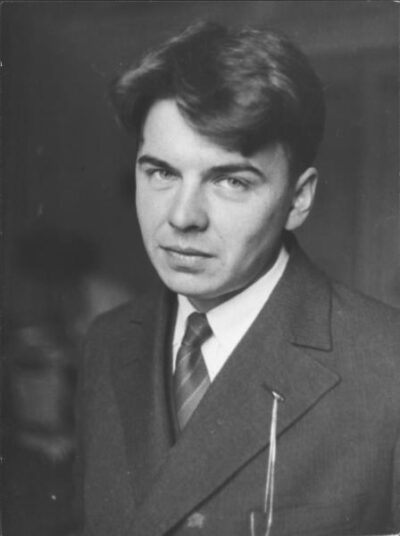 Leonid Leonov (1994)Russian writer (1899–1994)
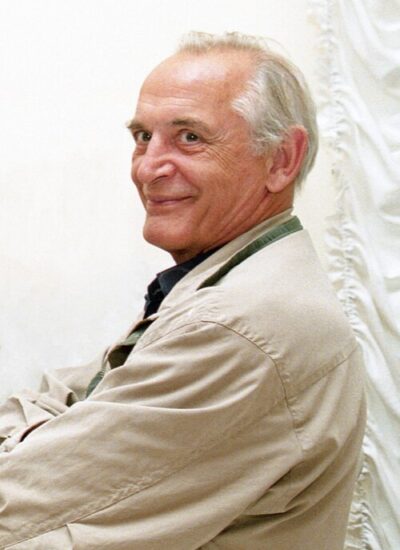 Vasily Lanovoy (1994)Soviet and Russian actor (1934–2021)
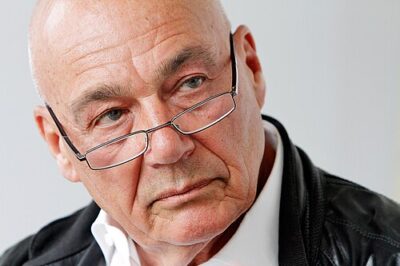 Vladimir Pozner (1994)French-Russian-American journalist (1934- )
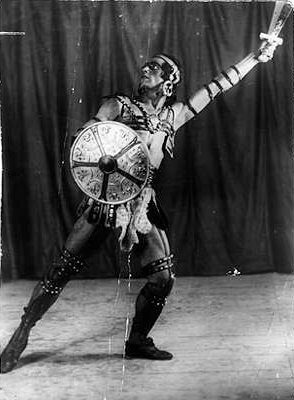 Igor Moiseyev (1994)Soviet dancer (1906–2007)
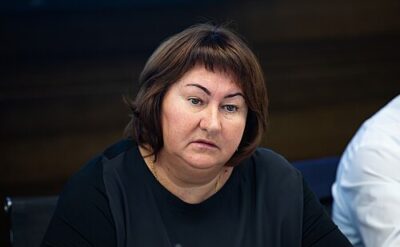 Yelena Välbe (1994)Russian cross-country skier and coach
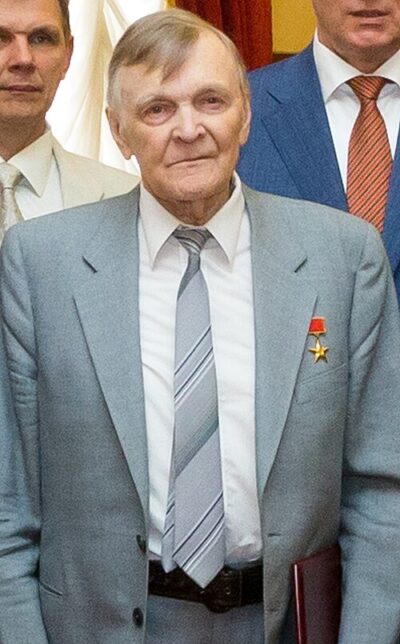 Yuri Bondarev (1994)Soviet and Russian writer, screenwriter (1924–2020)
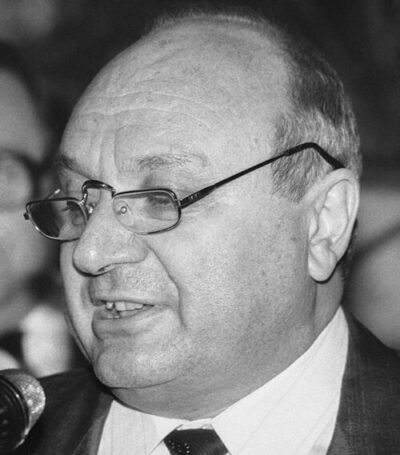 Mikhail Zhvanetsky (1994)Russian writer (1934-2020)
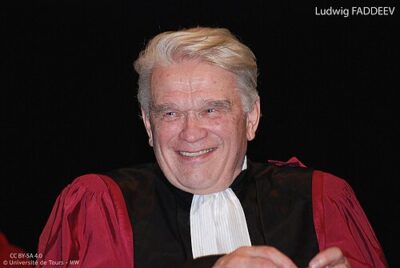 Ludvig Faddeev (1994)Russian mathematician and physicist (1934–2017)
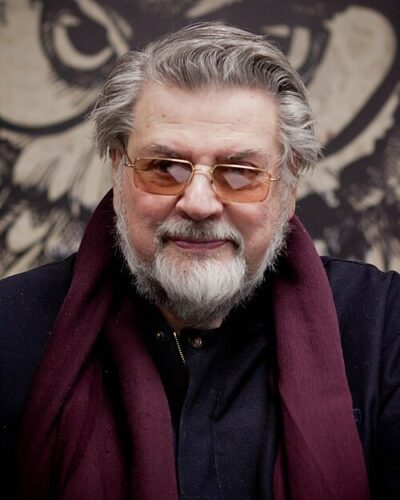 Aleksandr Shirvindt (1994)Soviet and Russian actor, theatrical director, drama teacher, television presenter, screenwriter (1934—2024)
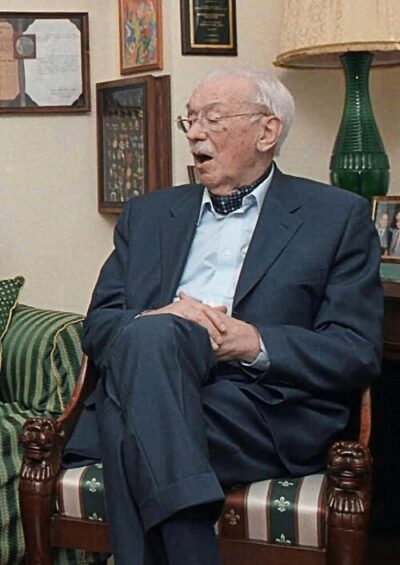 Sergey Mikhalkov (1993)Soviet and Russian writer (1913–2009)
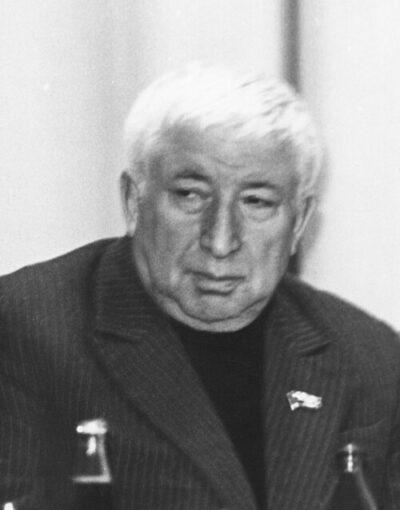 Rasul Gamzatov (1993)Avar poet (1923-2003)
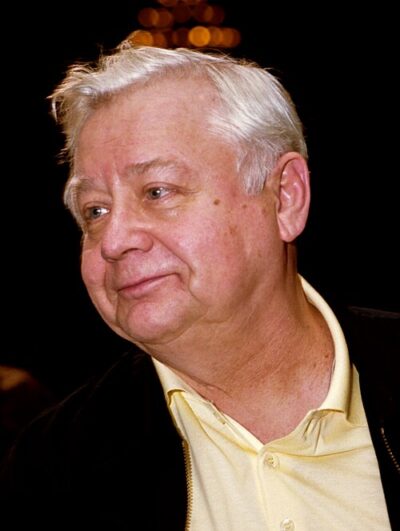 Oleg Tabakov (1993)Soviet and Russian actor and theatre director (1935–2018)
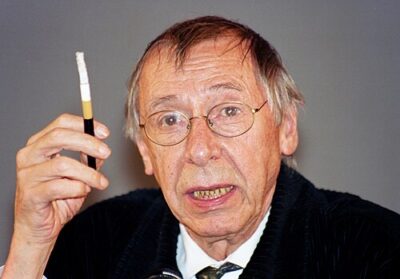 Oleg Yefremov (1993)Soviet and Russian actor and theatre director (1927–2000)
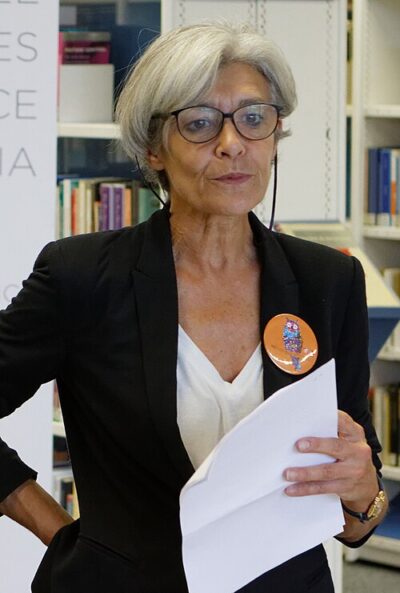 Claudie Haigneré (1993)French astronaut, politician, doctor
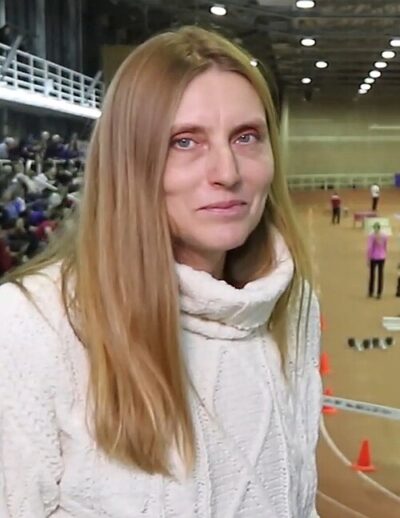 Irina Privalova (1993)Russian athlete
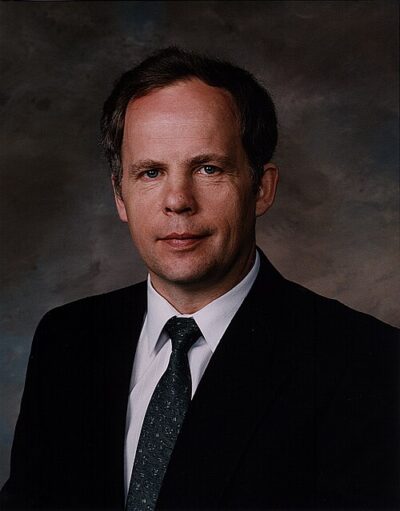 Anatoly Yakovlevich Solovyev (1993)Soviet and Russian cosmonaut
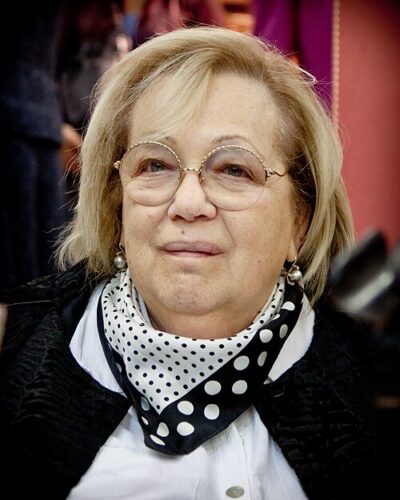 Galina Volchek (1993)Soviet and Russian theater and film director, actress and teacher (1933–2019)
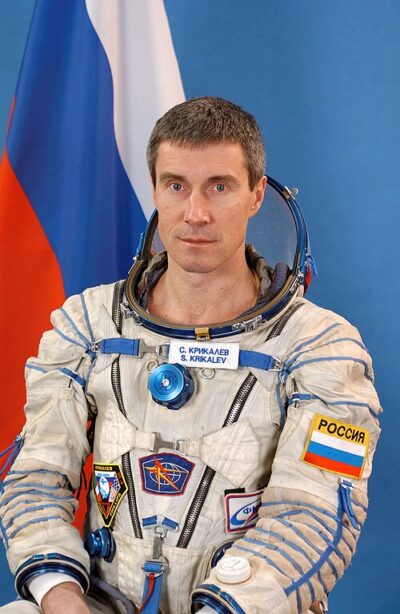 Sergei Krikalev (1992)Soviet and Russian cosmonaut
- AAleksandr Viktorenko (1992)Russian cosmonaut (1947–2023)
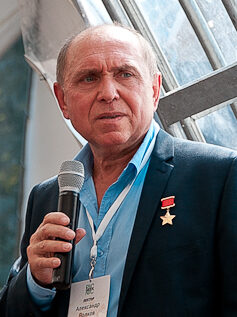 Aleksandr Aleksandrovich Volkov (1992)Soviet cosmonaut
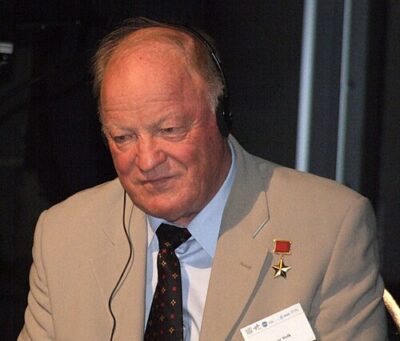 Igor Volk (1990)Soviet test pilot, cosmonaut (1937-2017)
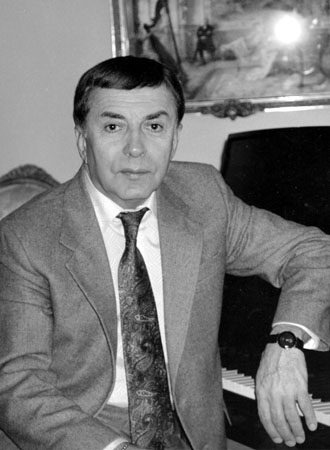 Konstantin Orbelyan (1990)Armenian musician (1928–2014)
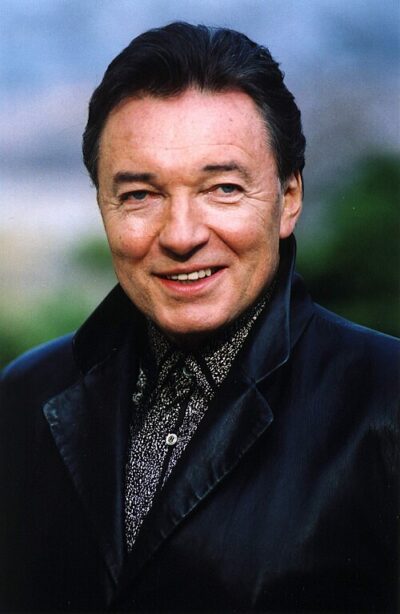 Karel Gott (1989)Czech singer and actor (1939–2019)
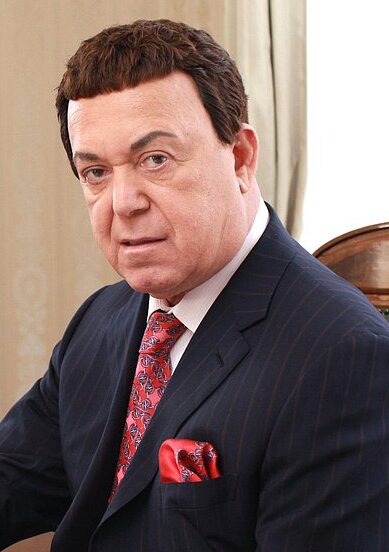 Joseph Kobzon (1989)Soviet and Russian singer (1937–2018)
and 280 more
