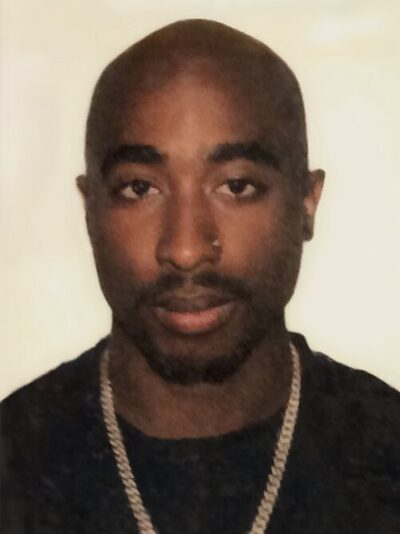
Outlawz
Outlawz is an American hip hop group. It was founded in 1995.
- Founded
- 1995
- Genre
- hardcore hip-hop
- Record label
- Death Row Records
- Country of origin
- United States
All 9 facts, and where they come from
Facts
9 facts · 0 confirmed by two sources · 2 cited · 7 from one source
Where this comes from
Papalocal keeps its own record. It started from these sources; what each one said is kept here as it was copied, so a change on their side never changes this page by itself. Tap one to read its version.
What Wikidata says · copied November 16, 2026 · revision 2565954541
- Described as
- American hip hop group
- Other names
- Outlaw Immortalz, Dramacydal, Tha Outlawz, The Outlawz
- What it is
- musical group
- Genre
- hardcore hip-hop · 1 reference; gangsta rap; G-funk · 1 reference
- Country of origin
- United States
- Record label
- Death Row Records; Cashville Records
- Founded
- 1995
- Official website
- http://www.outlawzmedia.net/
- Wikipedias with a page
- 23
Wikidata item Q1057147 (wikidata.org/wiki/Q1057147), public domain (CC0). Copied 2026-11-16.
What Wikipedia says · copied November 16, 2026 · revision 1384819302
Outlawz were an American hip-hop collective founded by Tupac Shakur (Makaveli) and Yafeu Fula (Yaki Kadafi) in 1995. The group's core members originally performed under the names Thoro Headz and Young Thugz, first gaining recognition for their guest appearance on Shakur's 1993 track "Flex", which served as the B-side to his single "Holler If Ya Hear Me".
By 1995, the group had reorganized as Dramacydal. Under this name, they were featured on the tracks "Me Against the World" and "Outlaw" from Shakur's third studio album, Me Against the World. Following Shakur's release from prison in late 1995, the group was officially rebranded as the Outlaw Immortalz.
From the Wikipedia article “Outlawz” (en.wikipedia.org/wiki/Outlawz), by its contributors, under CC BY-SA 4.0 (creativecommons.org/licenses/by-sa/4.0/). Copied 2026-11-16; not changed.
Confirmed Two sources agree. Cited One source, and it names where it got it. One source One source, without a reference of its own. Sources disagree The sources disagree. We show the best-supported value and keep theirs below.