Pacem in terris
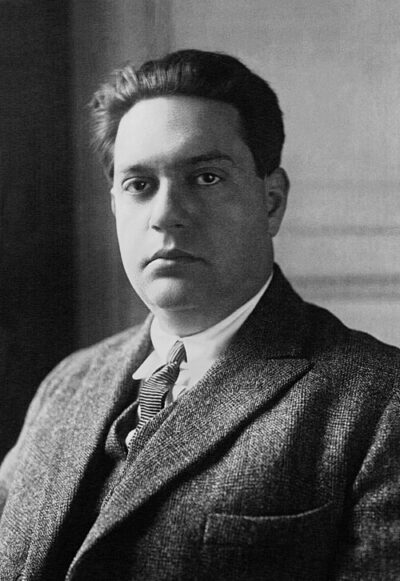
Pacem in terris is a musical work composed by Darius Milhaud.
All 2 facts, and where they come from
Facts
2 facts · 0 confirmed by two sources · 0 cited · 2 from one source
Where this comes from
Papalocal keeps its own record. It started from these sources; what each one said is kept here as it was copied, so a change on their side never changes this page by itself. Tap one to read its version.
What Wikidata says · copied November 17, 2026 · revision 2570669161
- Described as
- musical work composed by Darius Milhaud
- What it is
- musical work/composition
- Music by
- Darius Milhaud
- Wikipedias with a page
- 2
Wikidata item Q7121925 (wikidata.org/wiki/Q7121925), public domain (CC0). Copied 2026-11-17.
What Wikipedia says · copied November 17, 2026 · revision 1339302073
Pacem in terris, Op. 404 is a choral symphony for alto, baritone, chorus and orchestra by French composer Darius Milhaud. Though often identified only by its title and opus number, it is considered Milhaud's thirteenth and last symphony. The piece was written in 1963, incorporating text written by Pope John XXIII in his encyclical of the same year, which began with the words that Milhaud used as his title. At least a partial recording of this symphony is available on the Musique En Wallonie label, featuring the Brussels Belgian Radio and TV Philharmonic Orchestra conducted by Franz André.
Milhaud conducted the premiere in Paris on December 20, 1963. The American premiere performance and world premiere recording occurred in Salt Lake City, Utah, during the 1964-65 concert year, performed by the Utah Symphony Orchestra and the University of Utah Choruses, with Maurice Abravanel conducting and with the composer present.
From the Wikipedia article “Pacem in terris (Milhaud)” (en.wikipedia.org/wiki/Pacem_in_terris_(Milhaud)), by its contributors, under CC BY-SA 4.0 (creativecommons.org/licenses/by-sa/4.0/). Copied 2026-11-17; not changed.
Confirmed Two sources agree. Cited One source, and it names where it got it. One source One source, without a reference of its own. Sources disagree The sources disagree. We show the best-supported value and keep theirs below.