
Palatine of Hungary
Palatine of Hungary is a highest-ranking official in the Kingdom of Hungary from the beginning of the 11th century to 1848.
- Office of
- Kingdom of Hungary
- Country
- Hungary
- Created
- 11th century
All 6 facts, and where they come from
Facts
6 facts · 0 confirmed by two sources · 0 cited · 6 from one source
Where this comes from
Papalocal keeps its own record. It started from these sources; what each one said is kept here as it was copied, so a change on their side never changes this page by itself. Tap one to read its version.
What Wikidata says · copied November 17, 2026 · revision 2549922438
- Described as
- highest-ranking official in the Kingdom of Hungary from the beginning of the 11th century to 1848
- Other names
- Nádor, Magyar Királyság nádora
- What it is
- historical position; position
- Created
- 11th century
- Ended
- November 16, 1918
- Country
- Hungary
- Office of
- Kingdom of Hungary
- Wikipedias with a page
- 23
Wikidata item Q1077786 (wikidata.org/wiki/Q1077786), public domain (CC0). Copied 2026-11-17.
What Wikipedia says · copied November 17, 2026 · revision 1373755947
The Palatine of Hungary (Hungarian: nádor or nádorispán, German: Landespalatin, Latin: palatinus regni Hungariae) was the highest-ranking office in the Kingdom of Hungary from the beginning of the 11th century to 1848. Initially, Palatines were representatives of the monarchs, later (from 1723) the vice-regent (viceroy). In the early centuries of the kingdom, they were appointed by the king, and later (from 1608) were elected by the Diet of the Kingdom of Hungary. A Palatine's jurisdiction included only Hungary proper, in the Kingdom of Croatia until 1918 the ban held similar function as the highest office in the Kingdom (after the king himself), monarch's representative, commander of the royal army and viceroy (after the union of Croatia, Slavonia and Dalmatia with Hungary in 1102).
From the Wikipedia article “Palatine of Hungary” (en.wikipedia.org/wiki/Palatine_of_Hungary), by its contributors, under CC BY-SA 4.0 (creativecommons.org/licenses/by-sa/4.0/). Copied 2026-11-17; not changed.
Confirmed Two sources agree. Cited One source, and it names where it got it. One source One source, without a reference of its own. Sources disagree The sources disagree. We show the best-supported value and keep theirs below.
People connected 8
Held this office
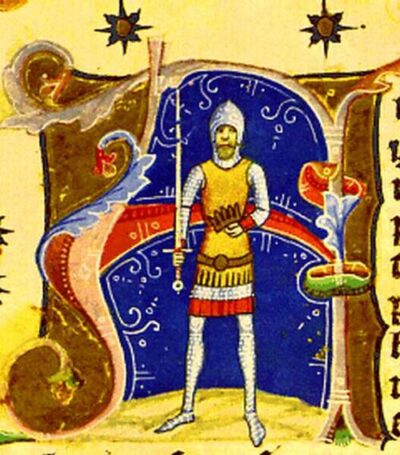 Samuel Aba (–1038)King of Hungary (born: c. 990 death: 1044)
 Archduke Stephen, Palatine of Hungary (1847–1848)archduke of Austria (1817-1867)
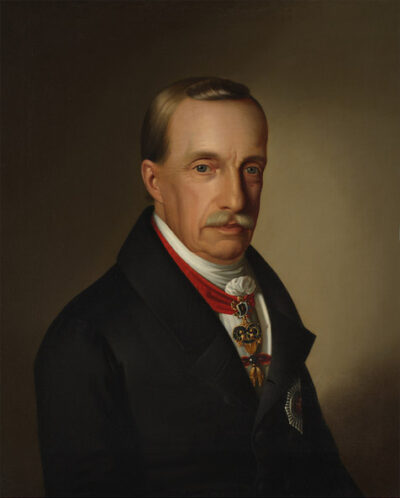 Archduke Joseph, Palatine of Hungary (1796–1847)archduke of Austria (1776-1847)
 Albert Casimir, Duke of Teschen (1765–1780)Duke of Teschen from 1766 to 1822 (1738–1822)
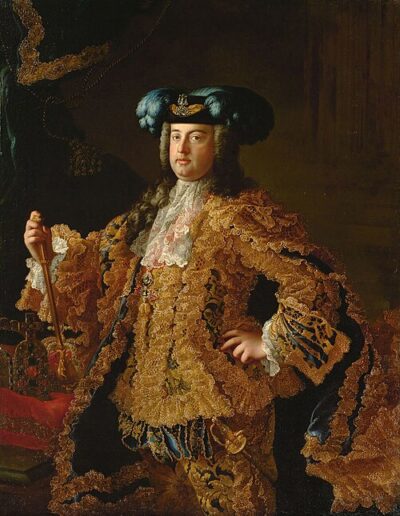 Francis I, Holy Roman Emperor (1732–1741)Holy Roman Emperor and Grand Duke of Tuscany (1708-1765).
 Nicolaus Olahus (1562–1568)Roman Catholic archbishop
 Máté Csák III (1296–1297)Hungarian nobleman (1260–1321)
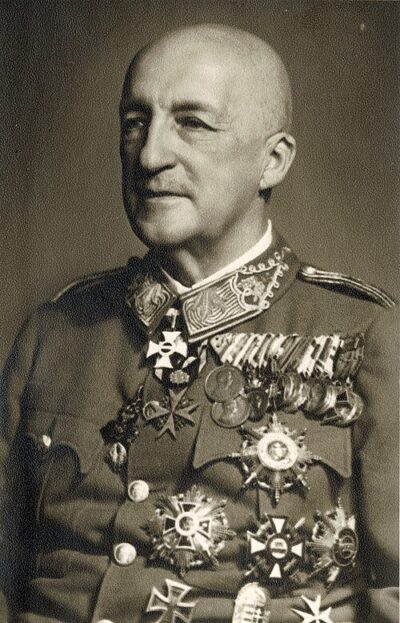 Archduke Joseph August of AustriaArchduke of Austria (1872-1962)
