parable of the broken window
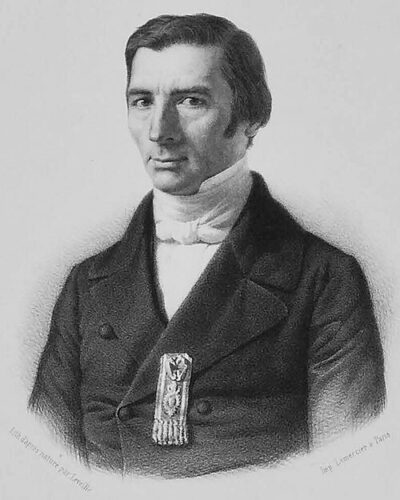
Parable of the broken window is a parable by French economist Frédéric Bastiat.
- Written by
- Frédéric Bastiat
All 2 facts, and where they come from
Facts
2 facts · 0 confirmed by two sources · 0 cited · 2 from one source
Where this comes from
Papalocal keeps its own record. It started from these sources; what each one said is kept here as it was copied, so a change on their side never changes this page by itself. Tap one to read its version.
What Wikidata says · copied November 17, 2026 · revision 2555998931
- Described as
- parable by French economist Frédéric Bastiat
- Other names
- broken window fallacy, fallacy of the broken window, glazier's fallacy
- What it is
- parable
- Written by
- Frédéric Bastiat
- Wikipedias with a page
- 25
Wikidata item Q594433 (wikidata.org/wiki/Q594433), public domain (CC0). Copied 2026-11-17.
What Wikipedia says · copied November 17, 2026 · revision 1379771990
The parable of the broken window was introduced by French economist Frédéric Bastiat in his 1850 essay "That Which Is Seen, and That Which Is Not Seen" ("Ce qu'on voit et ce qu'on ne voit pas") to illustrate why destruction, and the money spent to recover from destruction, is not actually a net benefit to society.
The parable seeks to show how opportunity costs, as well as the law of unintended consequences, affect economic activity in ways that are unseen or ignored. The belief that destruction is good for the economy is consequently known as the broken window fallacy or glazier's fallacy.
From the Wikipedia article “Parable of the broken window” (en.wikipedia.org/wiki/Parable_of_the_broken_window), by its contributors, under CC BY-SA 4.0 (creativecommons.org/licenses/by-sa/4.0/). Copied 2026-11-17; not changed.
Confirmed Two sources agree. Cited One source, and it names where it got it. One source One source, without a reference of its own. Sources disagree The sources disagree. We show the best-supported value and keep theirs below.