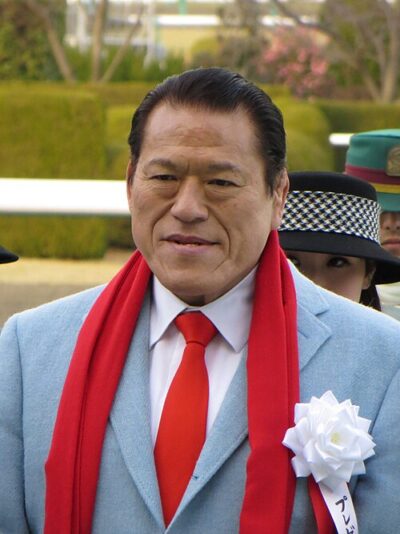
Party for Japanese Kokoro
Party for Japanese Kokoro is a political party in Japan. It was founded in 2014. Its headquarters are in Nagatachō. It stands for neoconservatism.
- Country
- Japan
- Founded
- August 1, 2014
- Ideology
- neoconservatism
- Chair
- Masashi Nakano (2017–2018)
All 9 facts, and where they come from
Facts
9 facts · 0 confirmed by two sources · 0 cited · 9 from one source
Where this comes from
Papalocal keeps its own record. It started from these sources; what each one said is kept here as it was copied, so a change on their side never changes this page by itself. Tap one to read its version.
What Wikidata says · copied November 17, 2026 · revision 2443872140
- Described as
- political party in Japan
- Other names
- Party for Future Generations, The Party for Japanese Kokoro
- What it is
- political party
- Founded
- August 1, 2014
- Ended
- October 31, 2018
- Headquarters
- Nagatachō
- Country
- Japan
- Chair
- Kyoko Nakayama (2015–2017); Masashi Nakano (2017–2018)
- Ideology
- neoconservatism
- Official website
- http://nippon-kokoro.jp/
- Wikipedias with a page
- 11
Wikidata item Q17488856 (wikidata.org/wiki/Q17488856), public domain (CC0). Copied 2026-11-17.
What Wikipedia says · copied November 17, 2026 · revision 1385004963
The Party for Japanese Kokoro (日本のこころ, Nippon no Kokoro; "Spirit of Japan"), officially the Party to Cherish the Heart of Japan (日本のこころを大切にする党, Nippon no kokoro o taisetsu ni suru tō), was a Japanese political party. It was formed as the Party for Future Generations (次世代の党, Jisedai no Tō) on 1 August 2014 by a group of Diet members led by Shintarō Ishihara. The party adopted its final name in December 2015, and ended up dissolving in November 2018.
From the Wikipedia article “Party for Japanese Kokoro” (en.wikipedia.org/wiki/Party_for_Japanese_Kokoro), by its contributors, under CC BY-SA 4.0 (creativecommons.org/licenses/by-sa/4.0/). Copied 2026-11-17; not changed.
Confirmed Two sources agree. Cited One source, and it names where it got it. One source One source, without a reference of its own. Sources disagree The sources disagree. We show the best-supported value and keep theirs below.