Pater Patriae
Pater Patriae is a Latin honorific meaning "Father of the Country".
- Country
- Ancient Rome
All 2 facts, and where they come from
Facts
2 facts · 0 confirmed by two sources · 0 cited · 2 from one source
Where this comes from
Papalocal keeps its own record. It started from these sources; what each one said is kept here as it was copied, so a change on their side never changes this page by itself. Tap one to read its version.
What Wikidata says · copied November 17, 2026 · revision 2564327303
- Described as
- Latin honorific meaning "Father of the Country"
- Other names
- Patres Patriae, Parens Patriae, Father of the Fatherland
- What it is
- title of honor
- Country
- Ancient Rome
- Wikipedias with a page
- 24
Wikidata item Q928994 (wikidata.org/wiki/Q928994), public domain (CC0). Copied 2026-11-17.
What Wikipedia says · copied November 17, 2026 · revision 1366364572
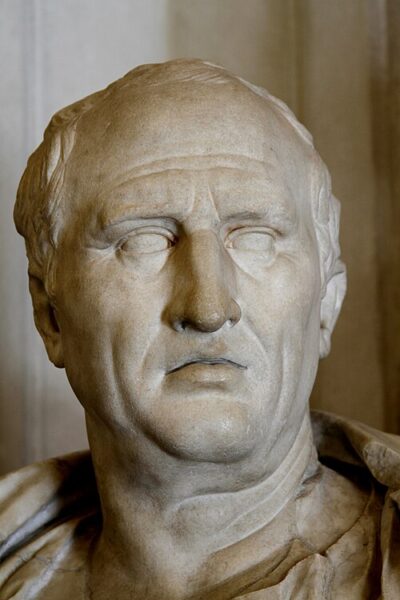
Pater Patriae (lit. 'Father of the Fatherland'; pl. Patres Patriae) was an honorific title in ancient Rome. The title was granted by the Roman Senate. During the Roman Republic, it was awarded only twice: to Camillus and Cicero. Under the Roman Empire, it was exclusively granted to the Roman emperor, usually after many years of successful rule. Not all emperors were offered the title, while others were offered it but refused to accept it. A total of 23 emperors received the title, beginning with Augustus.
During the early modern and late modern periods, the same Latin title was granted to several national leaders by their subjects or parliaments. More recently, the equivalent title has been father of the nation, translated into the national language.
From the Wikipedia article “Pater Patriae” (en.wikipedia.org/wiki/Pater_Patriae), by its contributors, under CC BY-SA 4.0 (creativecommons.org/licenses/by-sa/4.0/). Copied 2026-11-17; not changed.
Confirmed Two sources agree. Cited One source, and it names where it got it. One source One source, without a reference of its own. Sources disagree The sources disagree. We show the best-supported value and keep theirs below.