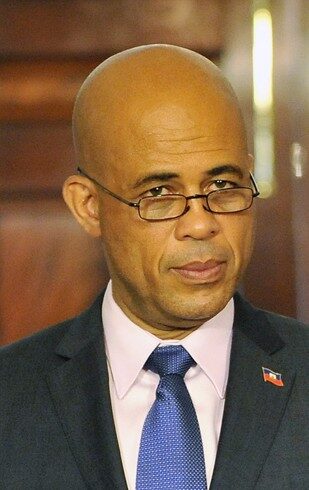
Peasant Response
Peasant Response is a political party in Haiti. It was founded in 2010 by Joseph Michel Martelly. Its headquarters are in Port-au-Prince. It stands for green conservatism, agrarianism and right-wing populism.
- Country
- Haiti
- Founded
- July 2010
- Ideology
- green conservatism
All 8 facts, and where they come from
Facts
8 facts · 0 confirmed by two sources · 0 cited · 8 from one source
Where this comes from
Papalocal keeps its own record. It started from these sources; what each one said is kept here as it was copied, so a change on their side never changes this page by itself. Tap one to read its version.
What Wikidata says · copied November 17, 2026 · revision 1549486970
- Described as
- political party in Haiti
- What it is
- political party
- Founded
- July 2010
- Founded by
- Joseph Michel Martelly
- Headquarters
- Port-au-Prince · 1 reference
- Country
- Haiti
- Ideology
- green conservatism; agrarianism; right-wing populism
- Wikipedias with a page
- 6
Wikidata item Q3456317 (wikidata.org/wiki/Q3456317), public domain (CC0). Copied 2026-11-17.
What Wikipedia says · copied November 17, 2026 · revision 1356763868
Repons Peyizan (Haitian Creole for "Peasant Response"; French: Réponse Paysanne) is a political party in Haiti. It was founded by Michel Martelly to support his ultimately successful presidential campaign in the 2010–11 general election. The party also won three seats in the lower Chamber of Deputies, but the elected deputies did not stand for reelection and the party has not contested an election since.
Despite being the founder and leader of the party, Martelly did little during his presidency to build up Repons Peyizan. He instead concentrated his efforts in courting members of the Haitian Tèt Kale Party, whose presidential candidate, Jovenel Moïse, would succeed Martelly. The party has been described as populist.
From the Wikipedia article “Repons Peyizan” (en.wikipedia.org/wiki/Repons_Peyizan), by its contributors, under CC BY-SA 4.0 (creativecommons.org/licenses/by-sa/4.0/). Copied 2026-11-17; not changed.
Confirmed Two sources agree. Cited One source, and it names where it got it. One source One source, without a reference of its own. Sources disagree The sources disagree. We show the best-supported value and keep theirs below.