People's National Party
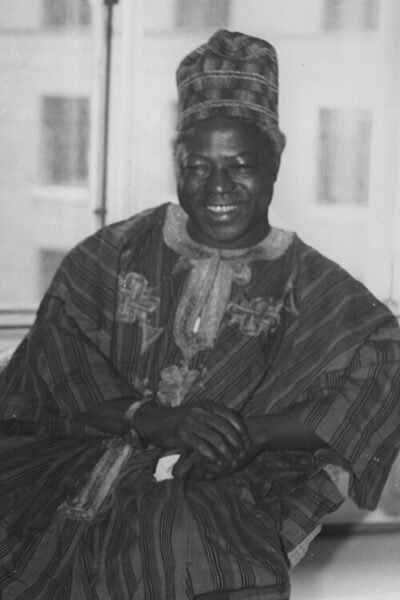
The People's National Party is a political party. It was founded in 1979 by Imoru Egala. Its headquarters are in Accra.
- Country
- Ghana
- Founded
- 1979
- Chair
- Hilla Limann
All 9 facts, and where they come from
Facts
9 facts · 0 confirmed by two sources · 0 cited · 9 from one source
Where this comes from
Papalocal keeps its own record. It started from these sources; what each one said is kept here as it was copied, so a change on their side never changes this page by itself. Tap one to read its version.
What Wikidata says · copied November 17, 2026 · revision 2349403385
- Described as
- political party
- Other names
- PNP
- What it is
- political party
- Comes after
- Convention People's Party
- Followed by
- People's National Convention
- Founded
- 1979
- Ended
- December 31, 1981
- Founded by
- Imoru Egala
- Headquarters
- Accra
- Country
- Ghana
- Chair
- Hilla Limann
- Wikipedias with a page
- 6
Wikidata item Q2069633 (wikidata.org/wiki/Q2069633), public domain (CC0). Copied 2026-11-17.
What Wikipedia says · copied November 17, 2026 · revision 1336381887
The People's National Party (PNP) was the ruling party in Ghana during the Third Republic (1979–1981). It was disbanded following the 1981 Ghanaian coup d'état.
All political parties in Ghana were disbanded following the January 1972 military coup led by Col. Ignatius Kutu Acheampong. When political activities resumed in 1979, there were five parties contesting the elections. The PNP claimed to represent the Nkrumah heritage.
In elections held on 18 June 1979, PNP presidential candidate Hilla Limann won 35.3% of the vote and the party won 71 of 140 seats in the National Assembly. Limann won 62% of the vote in a 9 July run-off against Victor Owusu of the Popular Front Party (PFP). He took office as President of Ghana on 24 September 1979.
From the Wikipedia article “People's National Party (Ghana)” (en.wikipedia.org/wiki/People's_National_Party_(Ghana)), by its contributors, under CC BY-SA 4.0 (creativecommons.org/licenses/by-sa/4.0/). Copied 2026-11-17; not changed.
Confirmed Two sources agree. Cited One source, and it names where it got it. One source One source, without a reference of its own. Sources disagree The sources disagree. We show the best-supported value and keep theirs below.