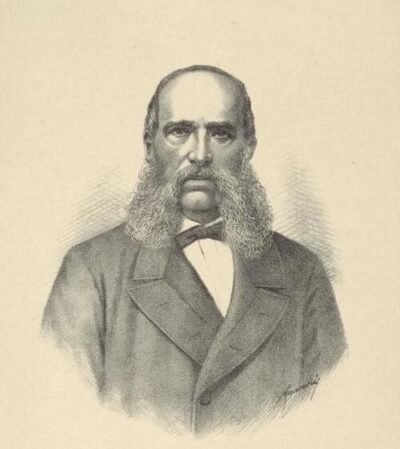
People's Party
The People's Party is a political party in the Kingdom of Croatia (1841-1918). It was founded by Ljudevit Gaj.
- Country
- Kingdom of Croatia-Slavonia
- Founded
- 1841
All 5 facts, and where they come from
Facts
5 facts · 0 confirmed by two sources · 0 cited · 5 from one source
Where this comes from
Papalocal keeps its own record. It started from these sources; what each one said is kept here as it was copied, so a change on their side never changes this page by itself. Tap one to read its version.
What Wikidata says · copied November 17, 2026 · revision 2546601201
- Described as
- political party in the Kingdom of Croatia (1841-1918)
- What it is
- political party
- Founded
- 1841 · 1 reference
- Ended
- 1918 · 1 reference
- Founded by
- Ljudevit Gaj · 1 reference
- Country
- Kingdom of Croatia-Slavonia
- Wikipedias with a page
- 5
Wikidata item Q1563411 (wikidata.org/wiki/Q1563411), public domain (CC0). Copied 2026-11-17.
What Wikipedia says · copied November 17, 2026 · revision 1261745132
The People's Party (Croatian: Narodna stranka) was a political party in the Habsburg Kingdom of Croatia and the Kingdom of Croatia-Slavonia.
It was founded in 1841 based on Croatian Illyrian movement. Because the movement did not distinguish Croats from other South Slavs and instead called them all Illyrians, the party was named the Illyrian Party (Ilirska stranka) when it was formed in late 1841, and it participated in the councils of Varaždin County and Bjelovar-Križevci County. It was one of the two parties in the 1843 session of the Croatian Parliament.
Some of its champions from this time included Janko Drašković, Ivan Kukuljević Sakcinski, Josip Juraj Strossmayer and Ivan Mažuranić.
From the Wikipedia article “People's Party (Kingdom of Croatia)” (en.wikipedia.org/wiki/People's_Party_(Kingdom_of_Croatia)), by its contributors, under CC BY-SA 4.0 (creativecommons.org/licenses/by-sa/4.0/). Copied 2026-11-17; not changed.
Confirmed Two sources agree. Cited One source, and it names where it got it. One source One source, without a reference of its own. Sources disagree The sources disagree. We show the best-supported value and keep theirs below.