Permanent Observer of the Holy See to the United Nations
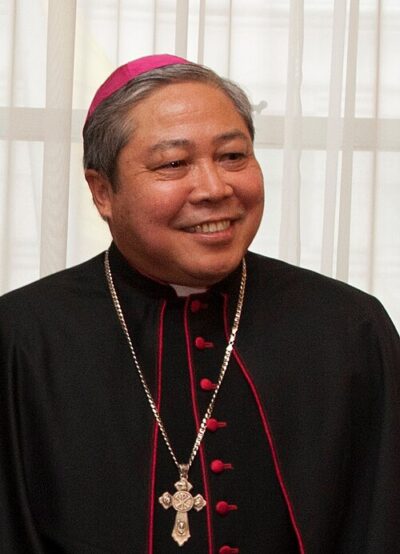
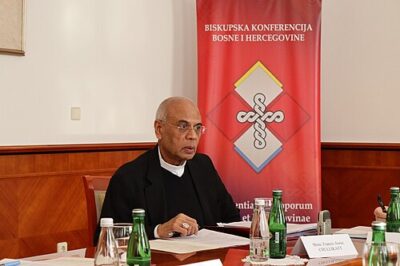
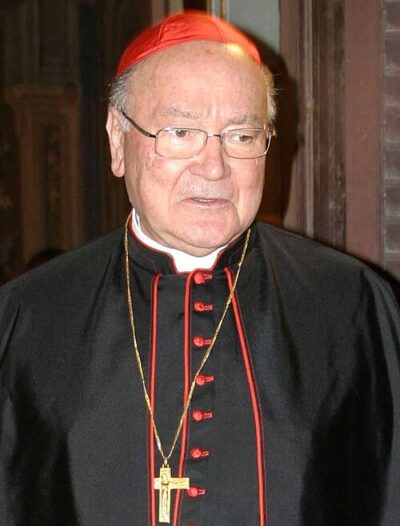
The Permanent Observer of the Holy See to the United Nations is a representative of the Holy See at the United Nations.
- Office of
- Holy See
- Country
- Vatican City
All 3 facts, and where they come from
Facts
3 facts · 0 confirmed by two sources · 0 cited · 3 from one source
Where this comes from
Papalocal keeps its own record. It started from these sources; what each one said is kept here as it was copied, so a change on their side never changes this page by itself. Tap one to read its version.
What Wikidata says · copied November 17, 2026 · revision 2569836650
- Described as
- representative of the Holy See at the United Nations
- Other names
- Permanent Observer to United Nations
- What it is
- position
- Country
- Vatican City
- Office of
- Holy See
- Wikipedias with a page
- 9
Wikidata item Q2783615 (wikidata.org/wiki/Q2783615), public domain (CC0). Copied 2026-11-17.
What Wikipedia says · copied November 17, 2026 · revision 1373757089
The Permanent Observer of the Holy See to the United Nations is the representative of the Holy See (Vatican) at the United Nations (UN). This diplomatic mission does not have the status of Permanent Representative because the Holy See is not a UN member. The Holy See has had observer state status since 1964, a status accorded only one other entity, the State of Palestine.
The first diplomat the Holy See sent as its Permanent Observer, Alberto Giovannetti, was a priest rather than a bishop. He had not yet risen to the rank of apostolic nuncio, the senior rank of the Vatican diplomatic corps.
The second Permanent Observer, Giovanni Cheli, was given the personal rank of nuncio and ordained a bishop in 1978 after five years representing the Holy See at the UN. Since then all those appointed to the position have been titular archbishops with the rank of nuncio.
From the Wikipedia article “Permanent Observer of the Holy See to the United Nations” (en.wikipedia.org/wiki/Permanent_Observer_of_the_Holy_See_to_the_United_Nations), by its contributors, under CC BY-SA 4.0 (creativecommons.org/licenses/by-sa/4.0/). Copied 2026-11-17; not changed.
Confirmed Two sources agree. Cited One source, and it names where it got it. One source One source, without a reference of its own. Sources disagree The sources disagree. We show the best-supported value and keep theirs below.