Philippine Academy of the Spanish Language
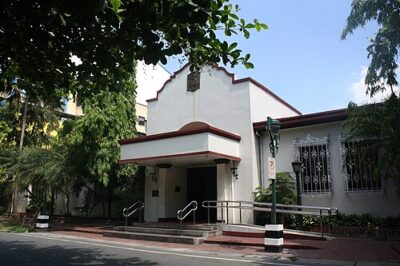
The Philippine Academy of the Spanish Language is a Spanish language regulator in the Philippines. It was founded in 1924. Its headquarters are in the University of the Philippines Diliman.
- Founded
- July 13, 1924
- Headquarters
- University of the Philippines Diliman
- Country
- Philippines
All 7 facts, and where they come from
Facts
7 facts · 0 confirmed by two sources · 0 cited · 7 from one source
Where this comes from
Papalocal keeps its own record. It started from these sources; what each one said is kept here as it was copied, so a change on their side never changes this page by itself. Tap one to read its version.
What Wikidata says · copied November 17, 2026 · revision 2458901414
- Described as
- Spanish language regulator in the Philippines
- What it is
- language regulator; academy; educational organization
- Founded
- July 13, 1924
- Headquarters
- University of the Philippines Diliman
- Country
- Philippines
- Official website
- https://www.asale.org/academias/academia-filipina-de-la-lengua-espanola
- Wikipedias with a page
- 11
Wikidata item Q337236 (wikidata.org/wiki/Q337236), public domain (CC0). Copied 2026-11-17.
What Wikipedia says · copied November 17, 2026 · revision 1383420603
The Philippine Academy of the Spanish Language (Spanish: Academia Filipina de la Lengua Española, abbreviated AFLE; Filipino: Akademyang Pilipino ng Wikang Espanyol) is the language regulator for Philippine Spanish, the variant of the Spanish language spoken in the Philippines. A founding member of the Asociación de Academias de la Lengua Española (ASALE), the academy was formerly headquartered in the Casino Español de Manila in Ermita, Manila before moving to its current headquarters in Makati.
From the Wikipedia article “Philippine Academy of the Spanish Language” (en.wikipedia.org/wiki/Philippine_Academy_of_the_Spanish_Language), by its contributors, under CC BY-SA 4.0 (creativecommons.org/licenses/by-sa/4.0/). Copied 2026-11-17; not changed.
Confirmed Two sources agree. Cited One source, and it names where it got it. One source One source, without a reference of its own. Sources disagree The sources disagree. We show the best-supported value and keep theirs below.
Picture: Claire Algarme, via Wikimedia Commons · CC BY-SA 3.0