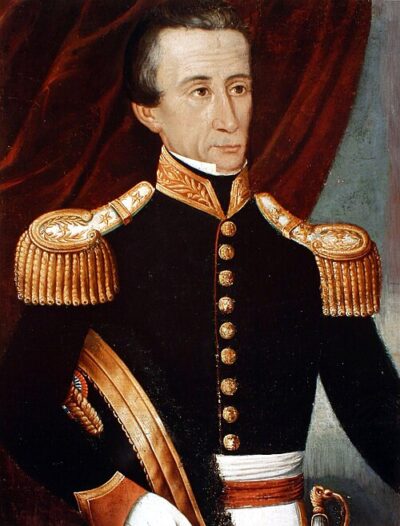
Pipiolos
Pipiolos is a term for liberal aristocrats in early 19th-century Chile. It was founded in 1823. It stands for Ancient Rome.
- Country
- Chile
- Founded
- 1823
- Ideology
- Ancient Rome
All 5 facts, and where they come from
Facts
5 facts · 0 confirmed by two sources · 0 cited · 5 from one source
Where this comes from
Papalocal keeps its own record. It started from these sources; what each one said is kept here as it was copied, so a change on their side never changes this page by itself. Tap one to read its version.
What Wikidata says · copied November 18, 2026 · revision 1989081448
- Described as
- term for liberal aristocrats in early 19th-century Chile
- What it is
- political faction
- Followed by
- Liberal Party
- Founded
- 1823 · 1 reference
- Country
- Chile
- Ideology
- Ancient Rome
- Wikipedias with a page
- 5
Wikidata item Q9060031 (wikidata.org/wiki/Q9060031), public domain (CC0). Copied 2026-11-18.
What Wikipedia says · copied November 18, 2026 · revision 1320266488
Pipiolos (Spanish for a young or naive person) was a name used to refer to Chilean upper class liberals in the early 19th century. The name "pipiolo" was originally used by the conservative Pelucones in a derogatory manner by associating the liberals to inexperience. In the Chilean Civil War of 1829 the Pipiolos, led by Ramón Freire, were defeated, which made it so the Pelucones could enforce the Chilean Constitution of 1833, which led to creation of a strong unitarian and authoritarian presidential system held up by upper-class democracy.
During the Revolution of 1851, the Pipiolos made a failed attempt to seize power from conservatives. With the Liberal–Conservative Fusion in 1858, the term "Pipiolo" fell into disuse.
From the Wikipedia article “Pipiolos” (en.wikipedia.org/wiki/Pipiolos), by its contributors, under CC BY-SA 4.0 (creativecommons.org/licenses/by-sa/4.0/). Copied 2026-11-18; not changed.
Confirmed Two sources agree. Cited One source, and it names where it got it. One source One source, without a reference of its own. Sources disagree The sources disagree. We show the best-supported value and keep theirs below.