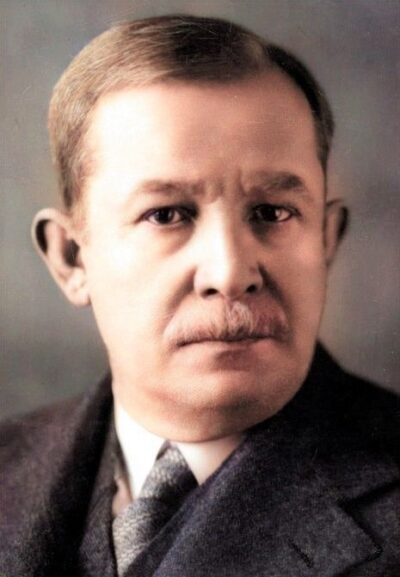
Polish Christian Democratic Party
The Polish Christian Democratic Party is a political party in Poland. It was founded in 1919. Its headquarters are in Warsaw. It stands for civic nationalism.
- Country
- Poland
- Founded
- 1919
- Ideology
- civic nationalism
All 5 facts, and where they come from
Facts
5 facts · 0 confirmed by two sources · 0 cited · 5 from one source
Where this comes from
Papalocal keeps its own record. It started from these sources; what each one said is kept here as it was copied, so a change on their side never changes this page by itself. Tap one to read its version.
What Wikidata says · copied November 18, 2026 · revision 2305444570
- Described as
- political party in Poland
- What it is
- political party
- Founded
- 1919
- Headquarters
- Warsaw
- Country
- Poland · 1 reference
- Ideology
- civic nationalism
- Wikipedias with a page
- 3
Wikidata item Q2102649 (wikidata.org/wiki/Q2102649), public domain (CC0). Copied 2026-11-18.
What Wikipedia says · copied November 18, 2026 · revision 1381781920
Polish Christian Democratic Party (Polish: Polskie Stronnictwo Chrześcijańskiej Demokracji, PSChD, commonly known as Chrześcijańska Demokracja or Chadecja), was a Polish Christian democratic political party that existed in the first year of the Second Polish Republic. Its leader and main activist was Wojciech Korfanty.
In 1922, Chadecja became part of the Chrześcijański Związek Jedności Narodowej (Chiena) coalition. Part of the Chjeno-Piast coalition after signing the Lanckorona Pact in 1923.
After the May Coup of 1926, split into three factions. Member of Centrolew coalition in 1929. Member of Front Morges coalition in 1937, and merged with National Workers' Party to form the Labour Party.
From the Wikipedia article “Polish Christian Democratic Party” (en.wikipedia.org/wiki/Polish_Christian_Democratic_Party), by its contributors, under CC BY-SA 4.0 (creativecommons.org/licenses/by-sa/4.0/). Copied 2026-11-18; not changed.
Confirmed Two sources agree. Cited One source, and it names where it got it. One source One source, without a reference of its own. Sources disagree The sources disagree. We show the best-supported value and keep theirs below.