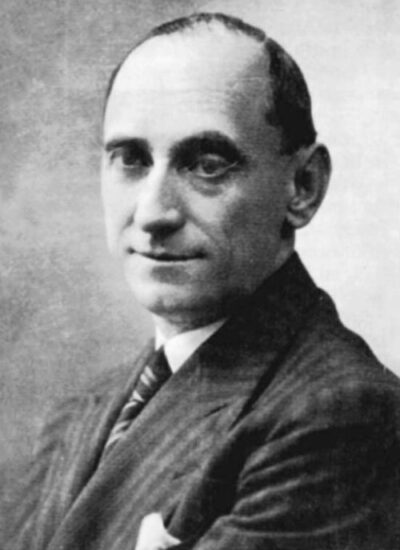
Popular Front
The Popular Front is a Spanish electoral coalition. It was founded in 1936. It stands for anti-fascism and republicanism in Spain.
- Country
- Second Spanish Republic
- Founded
- January 1936
- Ideology
- anti-fascism
All 8 facts, and where they come from
Facts
8 facts · 0 confirmed by two sources · 0 cited · 8 from one source
Where this comes from
Papalocal keeps its own record. It started from these sources; what each one said is kept here as it was copied, so a change on their side never changes this page by itself. Tap one to read its version.
What Wikidata says · copied November 18, 2026 · revision 2559687547
- Described as
- Spanish electoral coalition
- What it is
- electoral alliance; political coalition; popular front
- Founded
- January 1936
- Ended
- 1939
- Country
- Second Spanish Republic
- Ideology
- anti-fascism; republicanism in Spain
- Wikipedias with a page
- 32
Wikidata item Q246708 (wikidata.org/wiki/Q246708), public domain (CC0). Copied 2026-11-18.
What Wikipedia says · copied November 18, 2026 · revision 1371287414
The Popular Front (Spanish: Frente Popular) was an electoral alliance and pact formed in January 1936 to contest that year's general election by various left-wing political organizations during the Second Spanish Republic. The alliance was led by Manuel Azaña. In Catalonia and the modern-day Valencian Community, the coalition was known as the Front of the Lefts (Catalan: Front d'Esquerres).
The Popular Front included the Spanish Socialist Workers' Party (PSOE), Communist Party of Spain (PCE), and the republicans: Republican Left (IR), (led by Azaña) and Republican Union (UR), led by Diego Martínez Barrio. This pact was supported by Galician (PG) and Catalan nationalists (ERC), the POUM, socialist union Workers' General Union (UGT), and the anarchist trade union, the Confederación Nacional del Trabajo (CNT). Many anarchists who would later fight alongside Popular Front forces during the Spanish Civil War did not support them in the election, urging abstention instead.
The Comintern had decided in 1935 that, in response to the growth of fascism, popular fronts allying communist parties with other anti-fascist parties including Socialist and even bourgeois parties were advisable. In Spain, it was a coalition between leftist republicans and workers' organizations to defend social reforms of the first government (1931–1933) of the Second Spanish Republic, and liberate the prisoners, political prisoners according with the front propaganda, held since the Asturian October Revolution (1934).
The Popular Front defeated the National Front (a collection of right-wing parties) and won the 1936 election, forming the new Spanish Government. Manuel Azaña was elected President of the Republic in May 1936, but the PSOE did not join the government because of the opposition of Francisco Largo Caballero.
In July 1936, conservative/monarchist generals instigated a coup d'état which started the Spanish Civil War (1936–1939). The Government dissolved the Spanish Republican Army in the loyal territory and brought weapons to armed groups organized by the unions (UGT and CNT) and workers' parties (PSOE, PCE, POUM) that had initial success in defeating the Francoist forces in Madrid, Barcelona, Bilbao and Valencia. In October the same year, the Spanish Republican Army was reorganized. After a protracted war of attrition, General Francisco Franco would defeat the Republican forces and rule Spain as a dictatorship until his death in 1975.
From the Wikipedia article “Popular Front (Spain)” (en.wikipedia.org/wiki/Popular_Front_(Spain)), by its contributors, under CC BY-SA 4.0 (creativecommons.org/licenses/by-sa/4.0/). Copied 2026-11-18; not changed.
Confirmed Two sources agree. Cited One source, and it names where it got it. One source One source, without a reference of its own. Sources disagree The sources disagree. We show the best-supported value and keep theirs below.
Picture: Wikimedia Commons: Frente-popular.png · See Commons file page