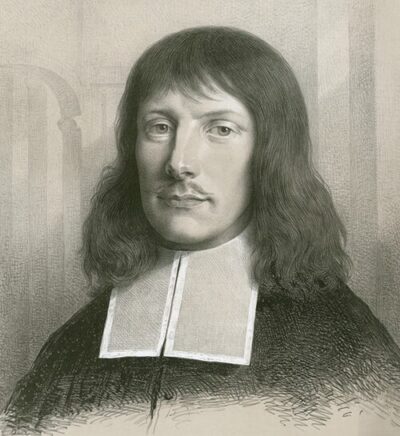
Praise to the Lord, the Almighty
Praise to the Lord, the Almighty is a 1680 Christian sacred song, originally in German. It was written by Joachim Neander.
- Released
- 1680
- Written by
- Joachim Neander
- Genre
- Christian hymn
All 5 facts, and where they come from
Facts
5 facts · 0 confirmed by two sources · 0 cited · 5 from one source
Where this comes from
Papalocal keeps its own record. It started from these sources; what each one said is kept here as it was copied, so a change on their side never changes this page by itself. Tap one to read its version.
What Wikidata says · copied November 17, 2026 · revision 2569571830
- Described as
- 1680 Christian sacred song, originally in German
- Other names
- Praise to the Lord the Almighty, Praise Ye the Lord, the Almighty
- What it is
- musical work/composition
- Written by
- Joachim Neander
- Genre
- Christian hymn
- Released
- 1680
- Language
- German
- Wikipedias with a page
- 14
Wikidata item Q1729571 (wikidata.org/wiki/Q1729571), public domain (CC0). Copied 2026-11-17.
What Wikipedia says · copied November 17, 2026 · revision 1379149954
"Praise to the Lord, the Almighty" is a Christian hymn based on Joachim Neander's German-language hymn "Lobe den Herren, den mächtigen König der Ehren", published in 1680. John Julian in his A Dictionary of Hymnology calls the German original "a magnificent hymn of praise to God, perhaps the finest creation of its author, and of the first rank in its class."
The melody used by Neander, first published in 1665, exists in many versions and is probably based on a folk tune. It is catalogued as Zahn number 1912c with several variants. The text paraphrases Psalm 103 and Psalm 150. Catherine Winkworth published her English translation of Neander's hymn in 1863.
From the Wikipedia article “Praise to the Lord, the Almighty” (en.wikipedia.org/wiki/Praise_to_the_Lord,_the_Almighty), by its contributors, under CC BY-SA 4.0 (creativecommons.org/licenses/by-sa/4.0/). Copied 2026-11-17; not changed.
Confirmed Two sources agree. Cited One source, and it names where it got it. One source One source, without a reference of its own. Sources disagree The sources disagree. We show the best-supported value and keep theirs below.
Picture: Wikimedia Commons: Lobe den Herren.jpg · See Commons file page