Prime Minister of Kenya
Prime Minister of Kenya is a former Head of Government in Kenya. It was created in 1963.
All 5 facts, and where they come from
Facts
5 facts · 0 confirmed by two sources · 0 cited · 5 from one source
Where this comes from
Papalocal keeps its own record. It started from these sources; what each one said is kept here as it was copied, so a change on their side never changes this page by itself. Tap one to read its version.
What Wikidata says · copied November 17, 2026 · revision 2570103634
- Described as
- former Head of Government in Kenya
- What it is
- position
- Created
- December 12, 1963
- Ended
- April 9, 2013
- Country
- Kenya
- Office of
- Kenya
- Wikipedias with a page
- 18
Wikidata item Q2736951 (wikidata.org/wiki/Q2736951), public domain (CC0). Copied 2026-11-17.
What Wikipedia says · copied November 17, 2026 · revision 1373762883
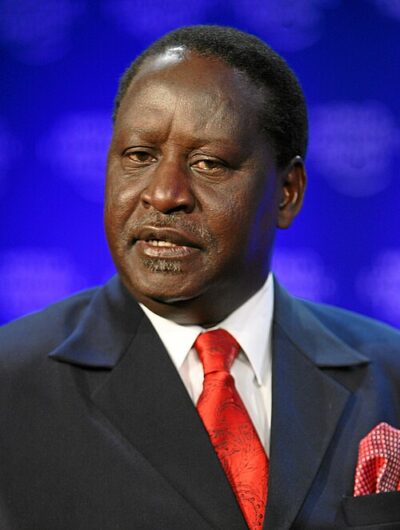
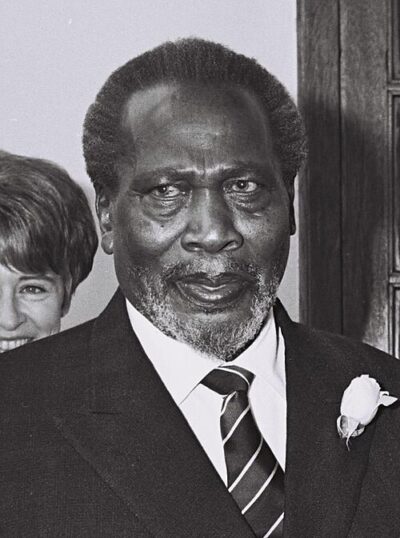
The prime minister of Kenya was a post in the Kenyan government. The first prime minister of Kenya was Jomo Kenyatta, who became prime minister in 1963. In 1964, when Kenya became a republic, the post of prime minister was abolished and Jomo Kenyatta became president. Following a power-sharing agreement in February 2008, the role was recreated in April 2008 and held by Raila Odinga. The position was again abolished by the 2010 Constitution after the 2013 elections.
The proposed 2021 constitutional referendum would have decided whether to constitutionally reestablish the office. The process of the proposed amendments to the constitution, was declared unconstitutional by the Supreme Court of Kenya On 31 March 2022. The court also barred the Independent Electoral and Boundaries Commission from proceeding with the referendum.
A similar office, that of Prime Cabinet Secretary, was established by Executive Order No. 1 of 2022 on 27 September 2022.
From the Wikipedia article “Prime Minister of Kenya” (en.wikipedia.org/wiki/Prime_Minister_of_Kenya), by its contributors, under CC BY-SA 4.0 (creativecommons.org/licenses/by-sa/4.0/). Copied 2026-11-17; not changed.
Confirmed Two sources agree. Cited One source, and it names where it got it. One source One source, without a reference of its own. Sources disagree The sources disagree. We show the best-supported value and keep theirs below.