
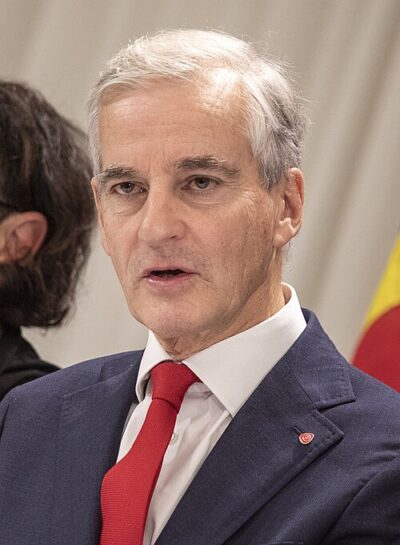
Prime Minister of Norway
Prime Minister of Norway is a head of government of Norway and the most powerful person in Norwegian politics. It was created in 1873.
All 5 facts, and where they come from
Facts
5 facts · 0 confirmed by two sources · 0 cited · 5 from one source
Where this comes from
Papalocal keeps its own record. It started from these sources; what each one said is kept here as it was copied, so a change on their side never changes this page by itself. Tap one to read its version.
What Wikidata says · copied November 16, 2026 · revision 2553449219
- Described as
- head of government of Norway and the most powerful person in Norwegian politics
- What it is
- public office
- Created
- 1873
- Country
- Norway
- Office of
- Norway
- Official website
- http://www.regjeringen.no/en/dep/smk.html?id=875
- Wikipedias with a page
- 36
Wikidata item Q2334076 (wikidata.org/wiki/Q2334076), public domain (CC0). Copied 2026-11-16.
What Wikipedia says · copied November 16, 2026 · revision 1374230840
The prime minister of Norway (Norwegian: statsminister, which directly translates to "minister of state") is the head of government and chief executive of Norway. The prime minister and Cabinet (consisting of all the most senior government department heads) are collectively accountable for their policies and actions to the monarch, to the Storting (Parliament of Norway), to their political party, and ultimately the electorate. In practice, since it is nearly impossible for a government to stay in office against the will of the Storting, the prime minister is primarily answerable to the Storting. The prime minister is almost always the leader of the majority party in the Storting or the leader of the senior partner in the governing coalition.
Norway has a constitution, which was adopted on 17 May 1814. The position of prime minister is the result of legislation. Modern prime ministers have few statutory powers, but provided they can command the support of their parliamentary party. Prime ministers control both the legislature and the executive (the cabinet) and hence wield considerable de facto powers. As of 2021 the prime minister of Norway is Jonas Gahr Støre, of the Labour Party, replacing Erna Solberg of the Conservative Party, who resigned in October 2021.
Unlike their counterparts in the rest of Europe, Norwegian prime ministers do not have the option of advising the king to dissolve the Storting and call a snap election. The constitution requires that the Storting serve out its full four-year term. If the prime minister loses the Storting's confidence, they must resign.
From the Wikipedia article “Prime Minister of Norway” (en.wikipedia.org/wiki/Prime_Minister_of_Norway), by its contributors, under CC BY-SA 4.0 (creativecommons.org/licenses/by-sa/4.0/). Copied 2026-11-16; not changed.
Confirmed Two sources agree. Cited One source, and it names where it got it. One source One source, without a reference of its own. Sources disagree The sources disagree. We show the best-supported value and keep theirs below.
Picture: News Oresund, via Wikimedia Commons · CC BY 2.0
People connected 30
Held this office 30
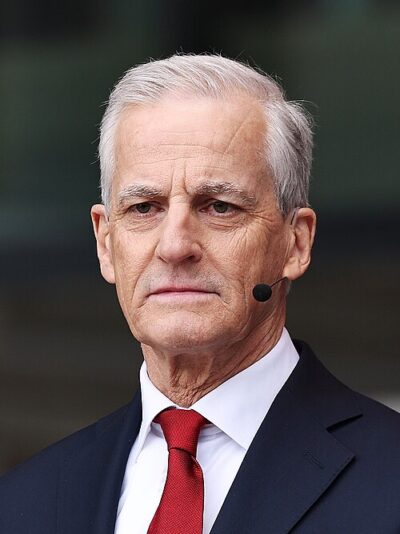 Jonas Gahr Støre (2021–)Prime Minister of Norway since 2021
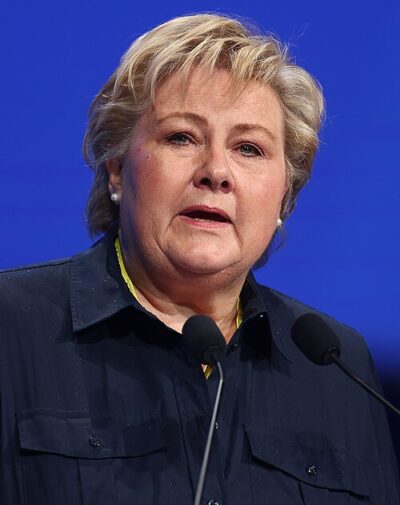 Erna Solberg (2013–2021)Prime Minister of Norway from 2013 to 2021
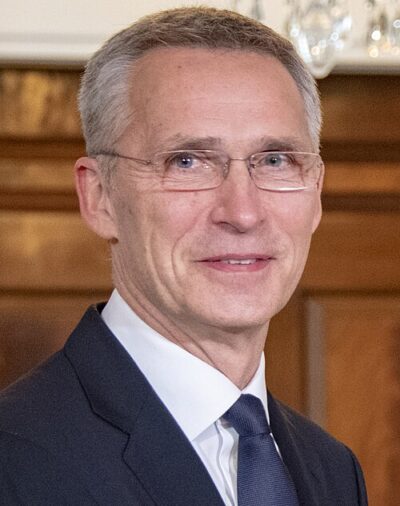 Jens Stoltenberg (2000–2013)Norwegian politician (born 1959)
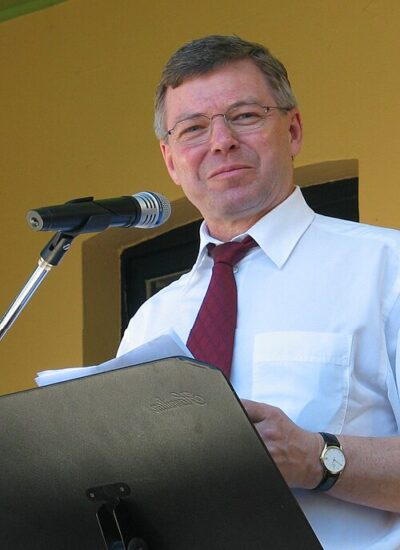 Kjell Magne Bondevik (1997–2005)33rd Prime Minister of Norway
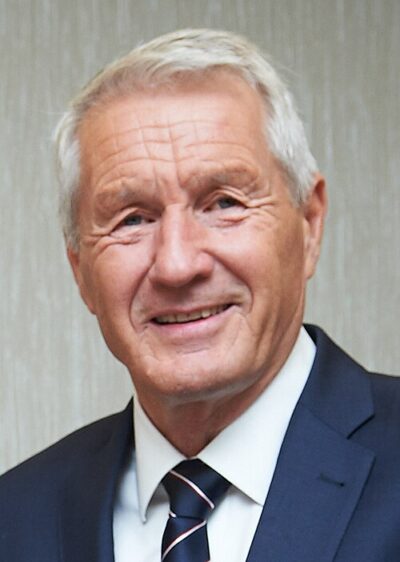 Thorbjørn Jagland (1996–1997)32nd Prime Minister of Norway
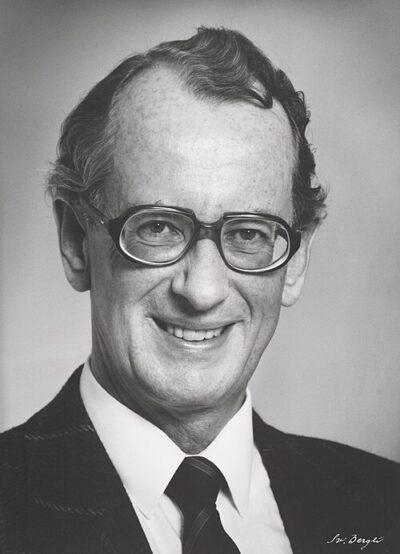 Jan P. Syse (1989–1990)31st Prime Minister of Norway
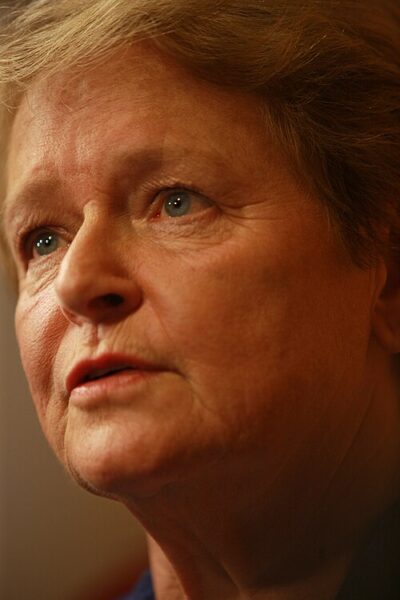 Gro Harlem Brundtland (1981–1996)29th Prime Minister of Norway
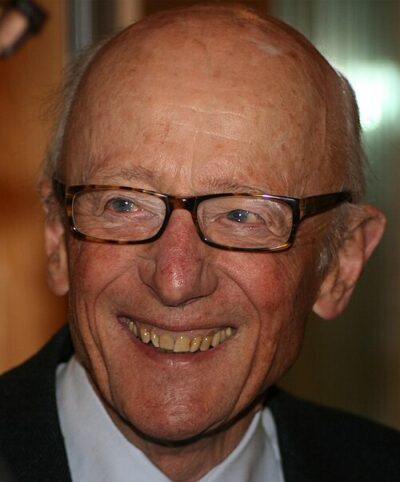 Kåre Willoch (1981–1986)30th Prime Minister of Norway
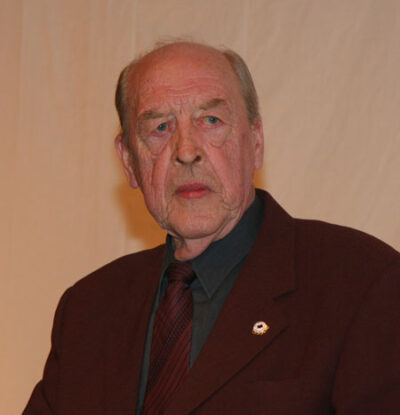 Odvar Nordli (1976–1981)28th Prime Minister of Norway (1927–2018)
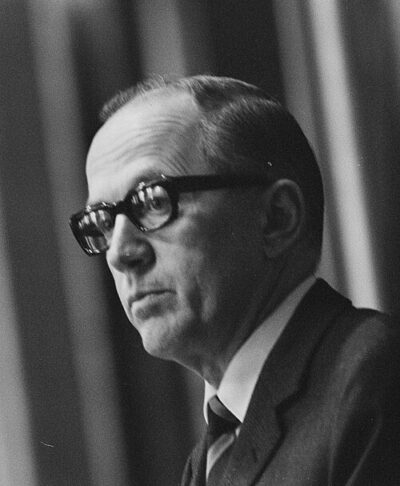 Lars Korvald (1972–1973)27th Prime Minister of Norway
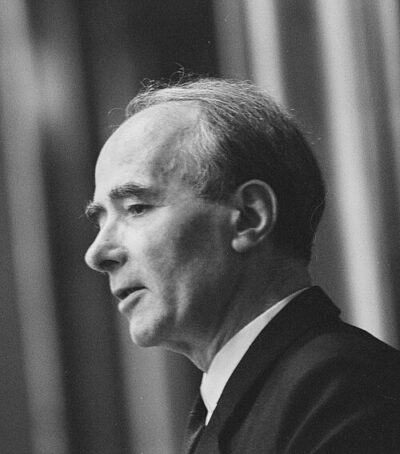 Trygve Bratteli (1971–1976)26th Prime Minister of Norway
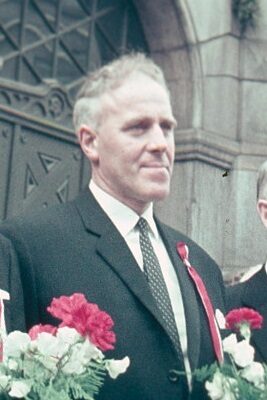 Per Borten (1965–1971)25th Prime Minister of Norway (1913–2005)
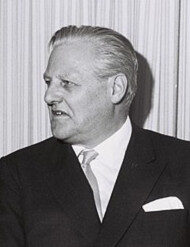 John Lyng (1963)24th Prime Minister of Norway (1905–1978)
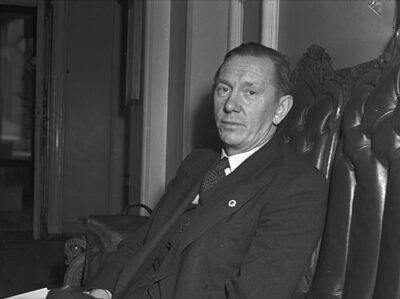 Oscar Torp (1951–1955)23rd Prime Minister of Norway (1893–1958)
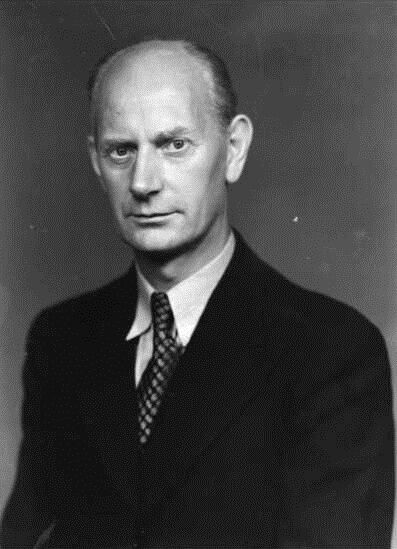 Einar Gerhardsen (1945–1965)22nd Prime Minister of Norway (1897–
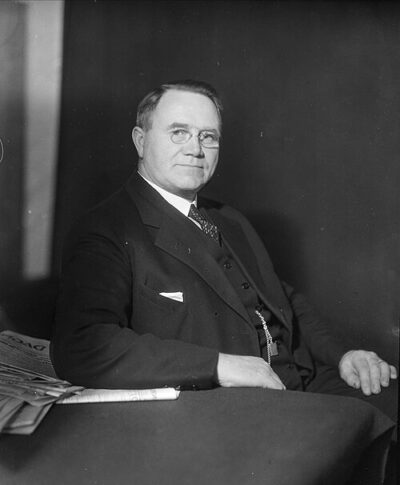 Johan Nygaardsvold (1935–1945)21st Prime Minister of Norway
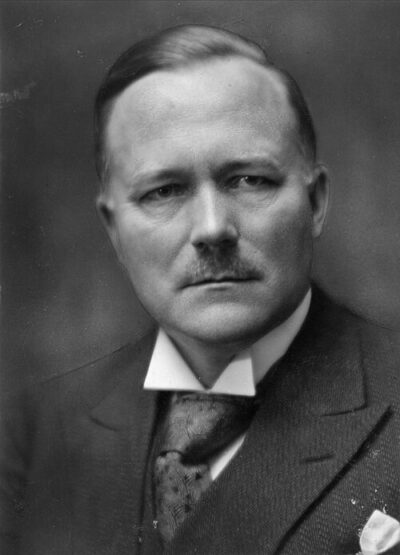 Jens Hundseid (1932–1933)20th Prime Minister of Norway (1883–1965)
 Peder Kolstad (1931–1932)19th Prime Minister of Norway (1878–1932)
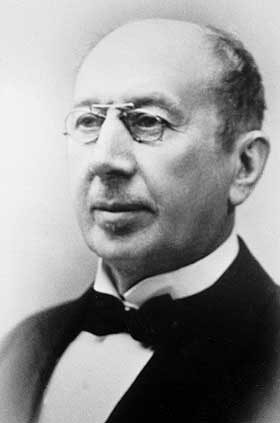 Christopher Hornsrud (1928)18th Prime Minister of Norway (1859–1960)
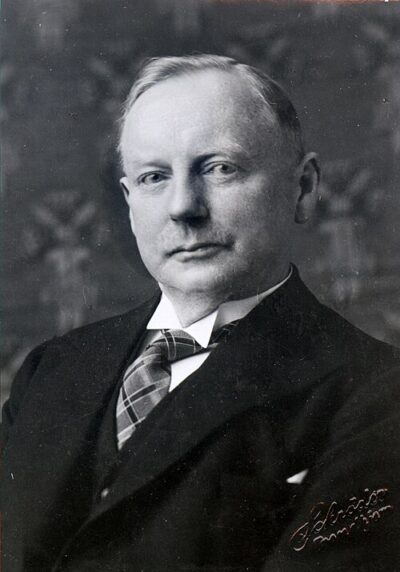 Ivar Lykke (1926–1928)17th Prime Minister of Norway (1872–1949)
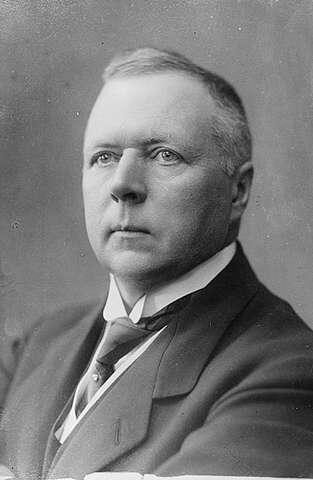 Johan Ludwig Mowinckel (1924–1935)16th Prime Minister of Norway (1870–1943)
 Abraham Berge (1923–1924)15th Prime Minister of Norway (1851–1936)
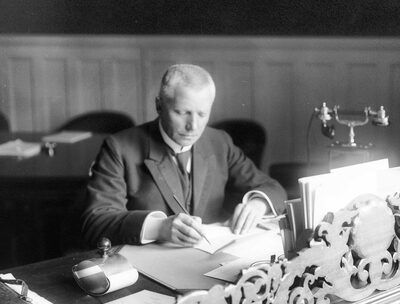 Otto Bahr Halvorsen (1920–1923)14th Prime Minister of Norway (1872–1923)
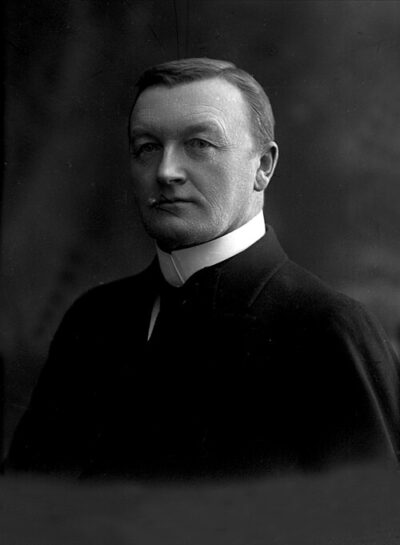 Jens Bratlie (1912–1913)13th Prime Minister of Norway (1856–1939)
and 6 more
