
Prime Minister of Slovenia
Prime Minister of Slovenia is a head of government of Slovenia. It was created in 1990.
All 4 facts, and where they come from
Facts
4 facts · 0 confirmed by two sources · 0 cited · 4 from one source
Where this comes from
Papalocal keeps its own record. It started from these sources; what each one said is kept here as it was copied, so a change on their side never changes this page by itself. Tap one to read its version.
What Wikidata says · copied November 17, 2026 · revision 2563775591
- Described as
- head of government of Slovenia
- Other names
- Prime Minister
- What it is
- public office
- Created
- May 16, 1990
- Country
- Slovenia
- Office of
- Slovenia
- Wikipedias with a page
- 39
Wikidata item Q45758 (wikidata.org/wiki/Q45758), public domain (CC0). Copied 2026-11-17.
What Wikipedia says · copied November 17, 2026 · revision 1377103812
The prime minister of Slovenia, officially the president of the Government of the Republic of Slovenia (Slovene: Predsednik Vlade Republike Slovenije), is the head of the Government of the Republic of Slovenia. There have been ten officeholders across fourteen periods in office since the country gained parliamentary democracy in 1989 (as well as two between 1945 and 1953, when the office was renamed "President of the Executive Council").
The prime minister of Slovenia is nominated by the president of Slovenia after consultation with the parties represented in the National Assembly. The candidate is then formally elected by a simple majority of the National Assembly. If no candidate receives a majority, a new vote must be held within 14 days. If no candidate receives a majority after this round, the President must dissolve the legislature and call new parliamentary elections unless the National Assembly agrees to hold a third round. If no candidate is elected after a third round, then the legislature is automatically dissolved pending new elections. In practice, since the appointee must command a majority of the National Assembly in order to govern, the appointee is usually the leader of the majority party in the National Assembly or the leader of the senior partner in the governing coalition. The National Assembly can only withdraw its support from a prime minister by way of a constructive vote of no confidence–that is, a motion of no confidence is of no effect unless a prospective successor has the support of a majority. The prime minister is also the president of the National Security Council.
From the Wikipedia article “Prime Minister of Slovenia” (en.wikipedia.org/wiki/Prime_Minister_of_Slovenia), by its contributors, under CC BY-SA 4.0 (creativecommons.org/licenses/by-sa/4.0/). Copied 2026-11-17; not changed.
Confirmed Two sources agree. Cited One source, and it names where it got it. One source One source, without a reference of its own. Sources disagree The sources disagree. We show the best-supported value and keep theirs below.
People connected 10
Held this office
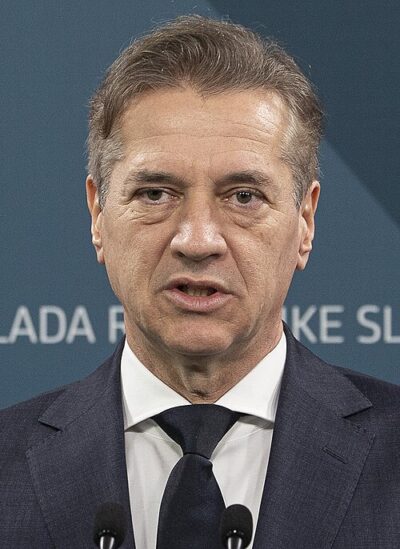 Robert Golob (2022–2026)Slovenian businessman and politician (born 1967)
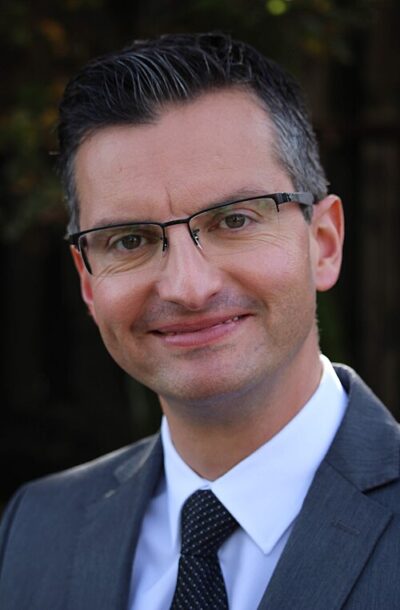 Marjan Šarec (2018–2020)9th Prime Minister of Slovenia
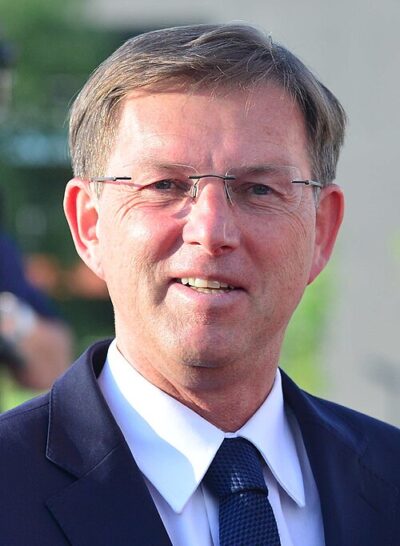 Miro Cerar (2014–2018)Slovenian lawyer and politician
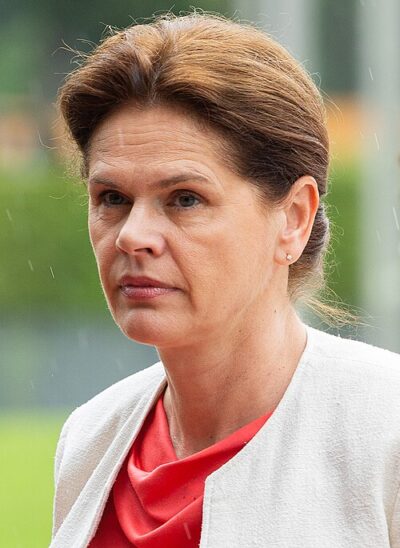 Alenka Bratušek (2013–2014)Slovenian politician
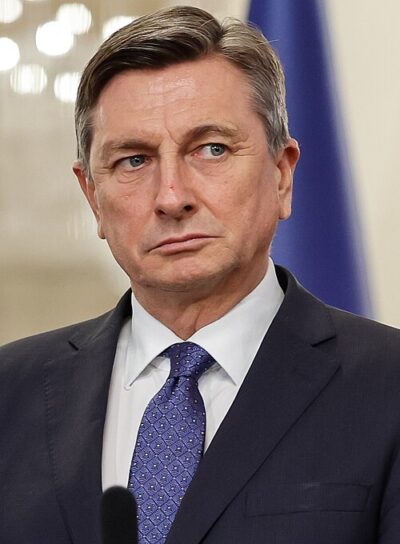 Borut Pahor (2008–2012)Slovenian Politician, former Prime Minister and President, born 1963
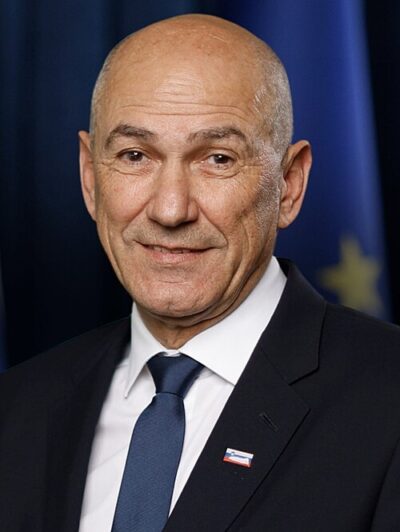 Janez Janša (2004–)Slovenian politician (born 1958)
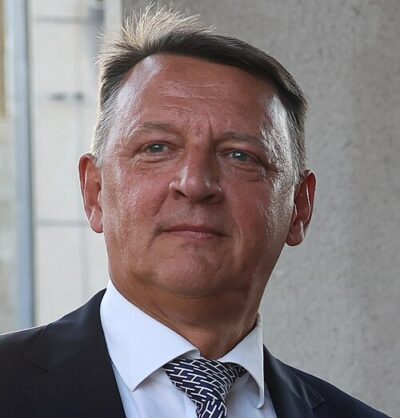 Anton Rop (2002–2004)Prime Ministre of Slovenia
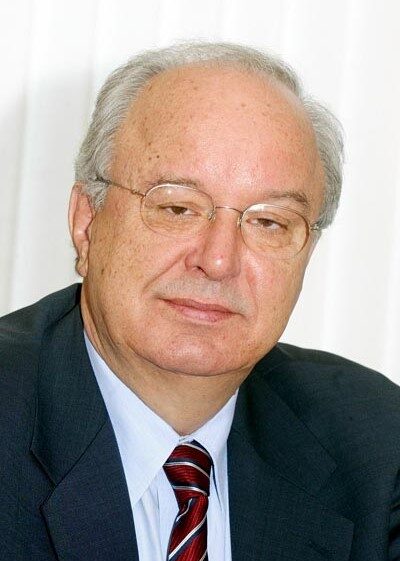 Andrej Bajuk (2000)Prime Minister of Slovenia (1943-2011)
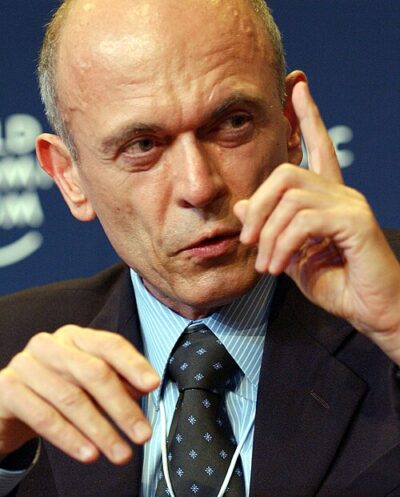 Janez Drnovšek (1992–2002)Slovenian politician (1950–2008)
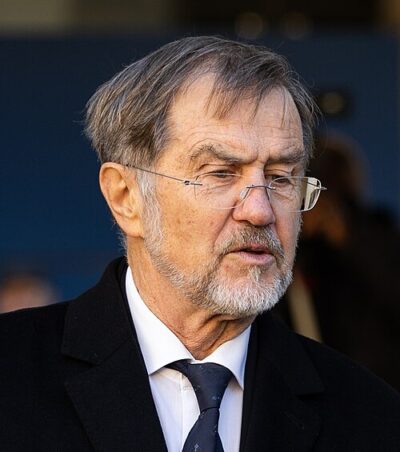 Lojze Peterle (1990–1992)Prime Minister of Slovenia
