Prosecutor of the International Criminal Court
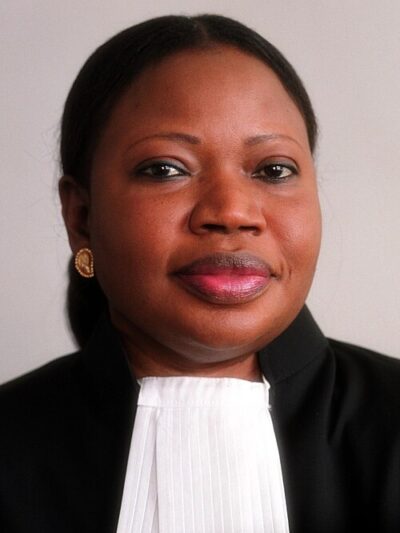
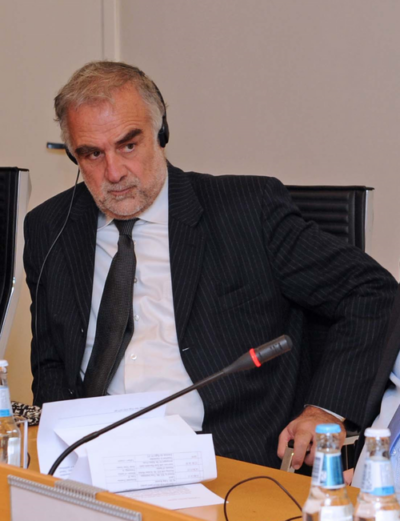
The Prosecutor of the International Criminal Court is an Office within the International Criminal Court. It is an office of the States parties to the Rome Statute of the International Criminal Court.
- Office of
- States parties to the Rome Statute of the International Criminal Court
All 4 facts, and where they come from
Facts
4 facts · 0 confirmed by two sources · 0 cited · 4 from one source
Where this comes from
Papalocal keeps its own record. It started from these sources; what each one said is kept here as it was copied, so a change on their side never changes this page by itself. Tap one to read its version.
What Wikidata says · copied November 17, 2026 · revision 2570830853
- Described as
- Office within the International Criminal Court
- What it is
- position
- Chair
- Karim Ahmad Khan (2021–)
- Office of
- States parties to the Rome Statute of the International Criminal Court
- Official website
- https://www.icc-cpi.int/about/otp
- Wikipedias with a page
- 7
Wikidata item Q7250572 (wikidata.org/wiki/Q7250572), public domain (CC0). Copied 2026-11-17.
What Wikipedia says · copied November 17, 2026 · revision 1373764606
The prosecutor of the International Criminal Court is the officer of the International Criminal Court (ICC), whose duties include the investigation and prosecution of the crimes under the jurisdiction of the ICC, namely genocide, crimes against humanity and war crimes as well as the crime of aggression. The prosecutor heads the Office of the Prosecutor (OTP).
The position of Prosecutor of the ICC is currently vacant following the removal of Karim Ahmad Khan, KC, who served as Prosecutor from 16 June 2021 until 24 July 2026, when he was sacked by the Assembly of States Parties following a vote.
From the Wikipedia article “Prosecutor of the International Criminal Court” (en.wikipedia.org/wiki/Prosecutor_of_the_International_Criminal_Court), by its contributors, under CC BY-SA 4.0 (creativecommons.org/licenses/by-sa/4.0/). Copied 2026-11-17; not changed.
Confirmed Two sources agree. Cited One source, and it names where it got it. One source One source, without a reference of its own. Sources disagree The sources disagree. We show the best-supported value and keep theirs below.