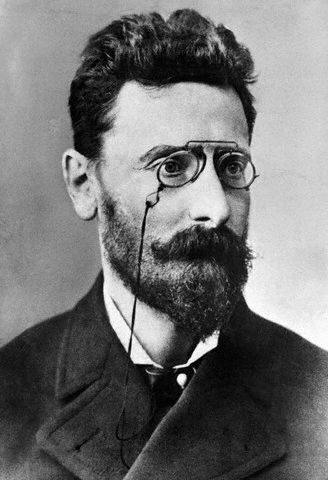
Pulitzer Prize
Pulitzer Prize is an award for achievements in journalism, literature, and musical composition within the United States in several categories. It was created in 1917. Its headquarters are in New York City. It is given by Columbia University.
- Given by
- Columbia University
- Country
- United States
- Created
- 1917
All 10 facts, and where they come from
Facts
10 facts · 0 confirmed by two sources · 0 cited · 10 from one source
Where this comes from
Papalocal keeps its own record. It started from these sources; what each one said is kept here as it was copied, so a change on their side never changes this page by itself. Tap one to read its version.
What Wikidata says · copied November 16, 2026 · revision 2567484860
- Described as
- award for achievements in journalism, literature, and musical composition within the United States in several categories
- Other names
- pulitzer.org, Pulitzer Prizes
- What it is
- journalism prize; science award; group of awards
- Created
- 1917
- Headquarters
- New York City · 1 reference
- Country
- United States
- Given by
- Columbia University; Joseph Pulitzer
- Named after
- Joseph Pulitzer
- Official website
- https://pulitzer.org
- Wikipedias with a page
- 97
Wikidata item Q46525 (wikidata.org/wiki/Q46525), public domain (CC0). Copied 2026-11-16.
What Wikipedia says · copied November 16, 2026 · revision 1378035538
The Pulitzer Prizes ( PULL-it-sər) are 23 annual American awards for achievements in "journalism, arts and letters", administered by Columbia University in New York City. They were established in 1917 by the will of Joseph Pulitzer, a Hungarian-American immigrant and newspaper publisher whose bequest also founded and endowed the Columbia School of Journalism. First awarded in June 1917, they remain among the most prestigious national honors for American journalism.
The prizes are awarded each spring following recommendations from the Pulitzer Prize Board, whose voting membership consists mainly of leading journalists and news executives, along with academics and figures in the arts; the dean of the Columbia journalism school and the administrator of the prizes serve as non-voting members. Fifteen of the Pulitzer Prizes are awarded for journalism, and eight for achievements in books, drama, and music. Three finalists are named for each award. All categories are initially juried; the juries nominate the finalists, from which the board selects a winner. The board also has the discretion to move entries between categories or to decline to grant an award in a category.
Each award carries with it a certificate and a monetary prize of $15,000, except in the Public Service category, in which the winning news organization receives a gold medal. The value of the monetary award has changed over the history of the prizes; it was increased from $10,000 to $15,000 beginning with the 2017 awards.
From the Wikipedia article “Pulitzer Prize” (en.wikipedia.org/wiki/Pulitzer_Prize), by its contributors, under CC BY-SA 4.0 (creativecommons.org/licenses/by-sa/4.0/). Copied 2026-11-16; not changed.
Confirmed Two sources agree. Cited One source, and it names where it got it. One source One source, without a reference of its own. Sources disagree The sources disagree. We show the best-supported value and keep theirs below.
Picture: Wikimedia Commons: Gen pulitzer.jpg · See Commons file page
People connected 3
Won it
 M. Gessen (2026)Russian-American journalist and activist
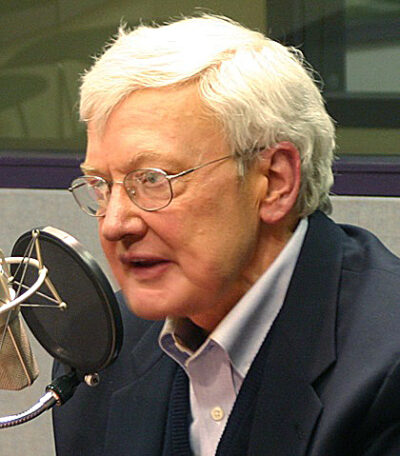 Roger Ebert (1975)American film critic and author (1942–2013)